This article examines systemic failures in foster care that leave vulnerable youth facing homelessness, mental health crises, and instability. It calls for prioritized, comprehensive support systems that provide stability and long-term resources before young people age out of care.
Influential Woman · Nonprofit serving vulnerable youth
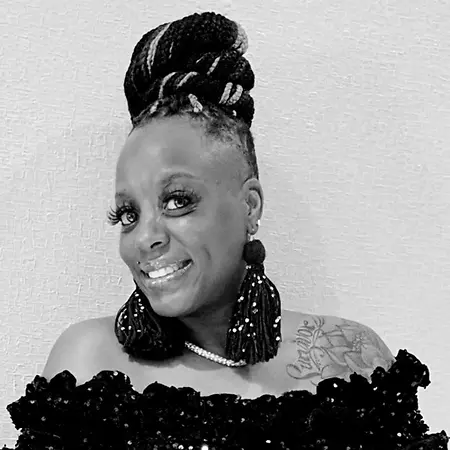
Fonda J. Royster
Head of Operations, RESA Solutions LLC
Toledo, OH 43614
1Article published
“
Confidence grew through life experience and realizing not everyone's opinion deserves a VIP pass. Being authentic is more powerful than fitting others' expectations.
Fonda J. Royster · In Her Own Words
In Conversation
Fonda J. Royster for Bold. Brilliant. Unstoppable.
Read the transcript
Fonda J. Royster: Speaker: Fonda J. Royster , Head of Operations - RESA Solutions LLCWhat does being an Influential Woman mean to you?Fonda J. Royster : Hi, everyone. So what does it mean to be an influential woman? What it means to me is you don't have to be the loudest, you don't have to be the prettiest, you don't have to be the smartest in the room, but to know you deserve to be in the room because you bring something in the room can't nobody else do. It doesn't matter if you have a whole bunch of people supporting your cause, your vision, that don't matter. What matters is that you're consistent with the vision that God gave you. What matters is that you have good character of what God gave you because ain't no point of you being good at your job, but you got a sink attitude. Cause how many people are you really gonna have a good influence on? We don't want negatives cause you have influenced people in a good way or a bad way most of the time. So, again, being an influential woman, we're gonna put it in the aspect of positive is knowing who you are, having confidence, being your best. Loudest cheerleader, knowing, you may not look like everybody else. Listen, I don't look like everybody else. I certainly don't talk like everybody else, but I know when I walk in the room, I shift the room. The room does not make me shift. I shift the room. That is part of being an influential woman.What's one piece of advice you would give to younger women chasing their dreams?Fonda J. Royster : What's one piece of advice I would give younger women chasing their dreams? Don't stop just chasing your dreams. That's number one. Let's do that. Life is gonna be like it. We got good days, we got bad days. I live in Ohio. At 8 a.m. it may be 30 degrees, and then at 10:00 a.m. it may be 80 degrees. That's That's just how Ohio is. I use that analogy to say that's how life is. Life has ups, downs, turnarounds, all that good stuff. Don't stop believing in your dreams. When you stop believing in your dreams, you stop believing in you. You don't need a whole crowd of people cause like God gave you the vision. He didn't give a whole bunch of people the vision, the dream, right? And you need haters cause haters are really cheerleaders. They just don't know it yet. So, More seriously, and I was serious about what I said, but more seriously, never give up on your dreams because giving up on your dreams is giving up on you. Giving up on your abilities, your strengths, your talents. Have a good day.
Full transcript available
Her Story
About Fonda
Fonda J. Royster is a trauma-informed leader, strategist, and founder committed to advancing equitable outcomes for vulnerable youth and underserved communities. She serves as Head of Operations at RESA Solutions LLC and is the Founder of Open Arms Transformation Living (OATL), where she leads initiatives focused on youth homelessness, teen dating violence, and systemic inequities.
With a strong foundation in social services and counseling, Fonda has supported thousands of individuals through advocacy, education, and direct service. She specializes in building cross-sector partnerships, designing community-centered programs, and delivering impactful training that drives both awareness and action.
Her work is rooted in lived experience, professional expertise, and a results-driven approach to creating sustainable, trauma-informed systems of care. Through both RESA Solutions and OATL, she continues to influence policy, strengthen communities, and expand access to critical resources for those most at risk.
Her Interview
Ten minutes with Fonda
01What do you attribute your success to?
I attribute my success to resilience, consistency, and purpose. I’ve lived through some of the very challenges I now work to address, so this work is not theoretical for me—it’s personal. I’ve learned how to keep showing up, even when resources are limited or the work feels heavy. I also credit my ability to build meaningful relationships and stay committed to the mission, not just the moment. Success for me isn’t just achievement—it’s impact.
02What’s the best career advice you’ve ever received?
“Stay rooted in your purpose, but be flexible in your path.” That stuck with me. It reminded me that the mission doesn’t change, but how you get there might. It’s helped me pivot, grow, and take opportunities I didn’t initially see for myself while still staying aligned with the work I’m called to do.
03What advice would you give to young women entering your industry?
Know your worth early and don’t wait for validation to walk in your purpose. This field—especially social impact work—will ask a lot of you emotionally and mentally, so boundaries are necessary, not optional. Also, don’t just focus on passion—build skills, learn the business side, and understand funding, partnerships, and sustainability. Passion opens the door, but strategy keeps it open.
04What are the biggest challenges or opportunities in your field right now?
One of the biggest challenges is that the issues we’re addressing—youth homelessness, teen dating violence, mental health—are deeply interconnected, but systems are still fragmented. That makes it harder to create lasting change. At the same time, that’s also the opportunity. There’s a growing recognition that we need holistic, community-based solutions. Organizations that can bridge gaps and provide comprehensive, culturally competent support are in a position to create real, lasting impact.
05What values are most important to you in your work and personal life?
Integrity, compassion, and accountability. I believe in doing the work the right way, even when it’s harder. Compassion drives how I serve people, but accountability ensures that the work is actually effective. I also value consistency—people should be able to depend on you, especially in this field where so many have experienced instability.
Her Content Hub
Articles by Fonda
The Girls We’re Failing: Foster Care, Homelessness, and the Crisis We Refuse to Fix
How systemic failures in foster care create a pipeline to homelessness, trauma, and instability—and what must change.
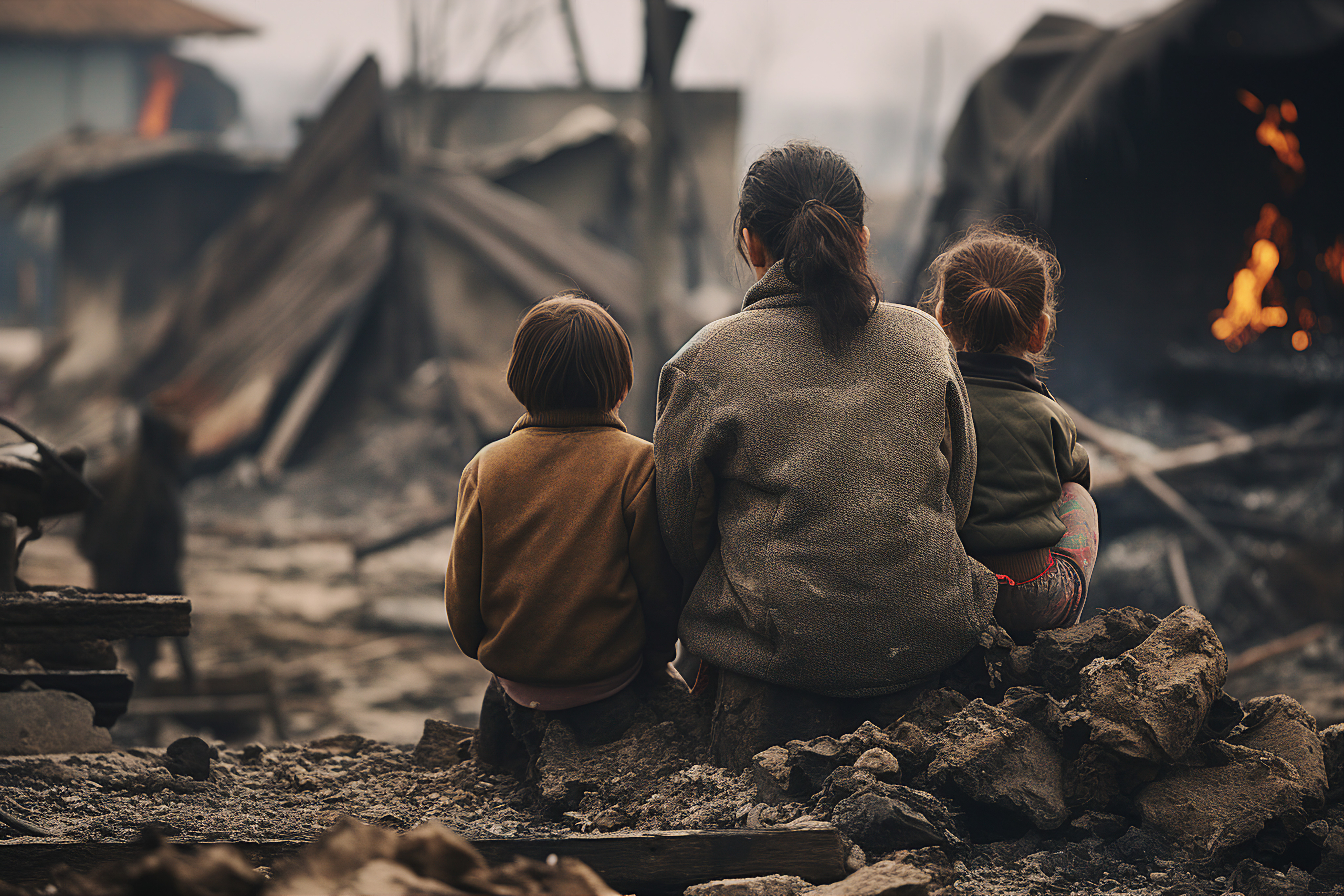
We are failing some of the most vulnerable young people in this country—and we are doing it through the very systems designed to protect them.
Youth involved in foster care do not enter the system without history. Many arrive carrying trauma, abuse, neglect, and instability. Foster care is intended to interrupt that trajectory. Instead, for far too many, it extends it.
The data tells a clear story. Between 31% and 46% of youth aging out of foster care experience homelessness in early adulthood. That means nearly half of these young people are left without stable housing shortly after leaving the system. This is not a small gap—it is a predictable pipeline.
And housing is only one part of the challenge.
Approximately 41% of youth in foster care have a diagnosed mental health condition. More than half report self-harm behaviors, and about one in four report at least one suicide attempt. These outcomes reflect repeated placement changes, disrupted relationships, and a lack of consistent emotional support.
Substance use is also significantly higher among foster youth. More than half report alcohol use, and many report drug use at higher rates than their peers. These behaviors are often treated as individual choices, but they are frequently coping responses to unresolved trauma and instability.
Foster youth also face increased risk of early pregnancy and unsafe relationships. When young people age out of care without stable support systems, they are more likely to experience gaps in healthcare, guidance, and protection. These gaps increase vulnerability to exploitation and unplanned life outcomes.
We must ask a difficult question: Are we preparing young people for stability, or are we unintentionally preparing them for continued instability?
When a young person moves through multiple placements, ages out without permanent support, and enters adulthood without housing or consistent care, this is not personal failure. It is systemic failure.
However, there is a path forward.
Research and practice consistently show that stability changes outcomes. Long-term supportive relationships matter. Access to mental health care matters. Community-based programs that provide consistent housing, education, and life skills matter.
What does not work is fragmentation. Short-term interventions without long-term investment do not create lasting change. Neither does expecting resilience without providing resources.
To improve outcomes, systems must shift from reactive responses to preventive support. This includes investing in comprehensive services that address housing, mental health, education, and transition planning before youth age out of care.
It also requires listening to those closest to the issue—young people themselves and the organizations serving them every day.
This is not an unsolvable crisis. It is an unprioritized one.
Until we decide these young people deserve stability, the outcomes will continue to reflect the system they are leaving.
Join Influential Women and start making an impact. Register now.