Her Story
About Gwendolyn
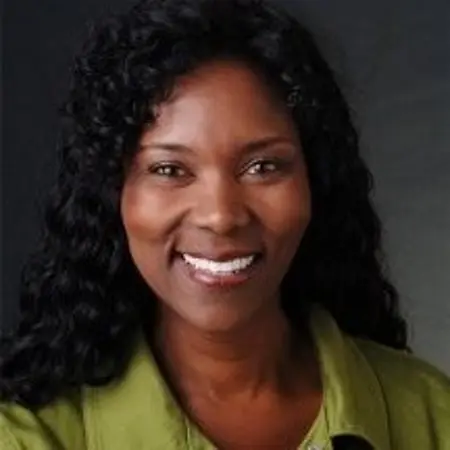
Gwendolyn Trice serves as the executive director of a cultural heritage museum focused on telling an inclusive narrative around the logging industry in eastern Oregon. She founded the organization in 2008 after discovering her family's history as loggers and recognizing the lack of representation for Black people in education on the topic. Prior to this, Trice spent 20 years at Boeing, with her final seven years dedicated to teaching, education, and creating educational programs across the lower 48 states. She earned degrees in video production and graphic design from Bellevue Community College, where she was on the honor roll, and later received an honorary doctorate in humane letters from Whitman College in recognition of her advocacy in social justice, land justice, and water justice. Trice also incorporates American Sign Language into her body of work and draws on her background in acting and voiceover to support her professional efforts in curriculum development, interpretation, and community building.
Her Interview
Ten minutes with Gwendolyn
01What do you attribute your success to?
I attribute my success to my father's example in business, volunteerism, and community spirit, even during difficult times with Oregon's exclusion laws. My training and discipline at Boeing also supported my nonprofit work. I have a deep vision of inclusivity and a strong sense of justice that allows me to move comfortably in different circles while staying authentic.
02What’s the best career advice you’ve ever received?
My mentor told me that I was hearing a lot of yeses because I was asking for what I needed, not what I thought people would give me, and to keep up the good work without getting in the way of that progress.
03What advice would you give to young women entering your industry?
As women, learn to set ego aside with each other, show willingness to work as community, build cohesive relationships, and provide bridges for young women to learn. Be nurturing and professional without stepping on anyone else, and lift each other up.
04What are the biggest challenges or opportunities in your field right now?
There are many opportunities in museums and cultural heritage, including studying timber, forestry, archaeology, and working with interns and grad students. Challenges include encouraging next generations to stay in these fields and thinking long-term about whether the work will still matter 50 years from now.
05What values are most important to you in your work and personal life?
Honesty, clarity, and good communication are important. I value people leading with their hearts versus their ego. I appreciate willingness to communicate across cultures and differences. I work in a holistic manner and embrace differences for the common good.
Join Influential Women and start making an impact. Register now.