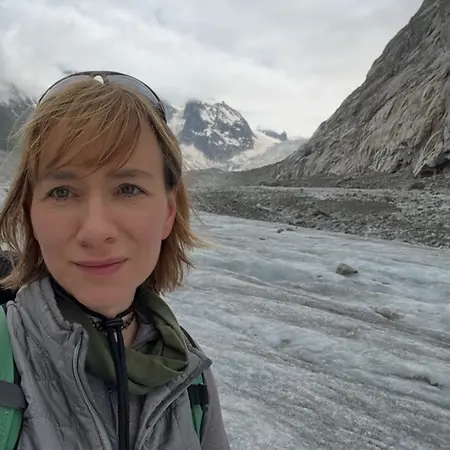
Her Story
About Heather
I've been in biotech for over 23-24 years now. I got my undergraduate degree starting at Hudson Valley Community College and then transferred to SUNY Albany where I got my bachelor's degree in biochemistry. After that, I took 2 years and worked at Albany Medical Center as a research associate under Terry Smith, who was an endocrinologist. Then I went to get into the PhD program at Boston College in Biochemistry, which was actually in the chemistry department. The industry has gone through a little bit of a blip recently, and layoffs have impacted the place where I worked, so they haven't had as many clients, which translates into less job stability. Although I survived the layoff, it's just a lonely place now, and I wanted to move on. I just accepted a new job at Genezen, which is a viral vector CDMO that's growing, and I'll be starting there on the 18th of May. What inspired me to get into the field was just trying to improve the health for everybody, especially those from backgrounds like mine. I grew up in a poor town in upstate New York, a very rural pocket, and I did see a lot of people who lacked the educational resources. I had to really struggle to catch up when I went to college because there were a lot of things that these other kids had already learned that I had not. I've always felt very sensitive to these disparities in health outreach and educational outreach. Now I'm 53 and I have a daughter, and I don't want this to happen to her. I really want to effect some sort of change, and I know every person, little by little, can make a difference.
Her Interview
Ten minutes with Heather
01What are the biggest challenges or opportunities in your field right now?
The industry has gone through a little bit of a blip, and layoffs have recently impacted workplaces because they haven't had as many clients, which translates into less job stability. It's been really unfortunate because I had such a wonderful group of people I worked with, and although I survived the layoff, it's just a lonely place now. I also see that this is a very aristocratic industry. In order to be in certain positions, you have to have that degree, or they don't let you do that because they feel that you don't have the credentials to be able to do that, which is ridiculous, but it's there. It's an aristocracy. I've constantly bumped into barriers like 'you stay down, you don't have this, you don't have that, and you're a woman.' The frustration has built up over my lifetime because now I'm 53, and I have a daughter, and I don't want this to happen to her.
02What values are most important to you in your work and personal life?
I really want to effect some sort of change, especially for people who lack educational and health resources. I grew up in a poor town in upstate New York, and I was very sensitive to the disparities I saw. Whether it's health outreach or educational outreach, I feel there's a lot of need. I look at the polarization that's happening in this country right now, and I know where the source of it really lies in many instances. Now I'm 53 and I have a daughter, and I don't want this to happen to her. I know there's not many people who are in a position where you can have a ton of influence, but I think every person, little by little, can make a difference. It will matter.
Join Influential Women and start making an impact. Register now.