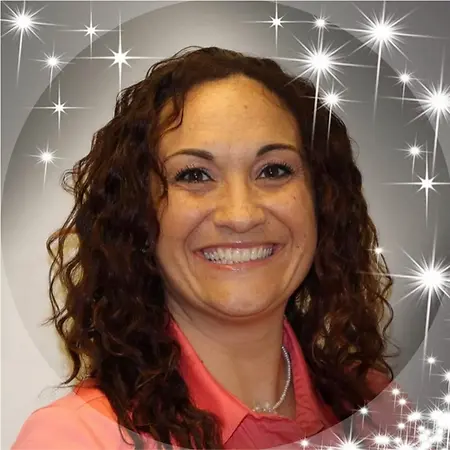
Influential Woman · Healthcare
Helena Girouard, MPH
Maternal Health Advocate | Founder | Peer Support Leader | Researcher on Hope & Health Outcomes, Periscope of Hope, LLC
Ormond Beach, FL 32174
Her Story
About Helena
Helena Girouard, MPH, is a maternal health and recovery advocate, family peer support specialist, and Founder and Principal Consultant of Periscope of Hope, LLC, a national consulting firm focused on parent leadership, substance-exposed newborns, maternal mental health, adverse childhood experiences, and data storytelling.
She co-founded Baby Steps, Inc., a perinatal clinic in Volusia County, Florida, created to address a critical prenatal care gap in a community where more than 50% of women rely on Medicaid and few providers accepted it. Working alongside Dr. Pamela Carbiener, her own OBGYN from twelve years ago who now volunteers her services, Baby Steps has supported more than 650 patients since opening in April 2025. The clinic provides prenatal and postpartum care, mental health support, recovery services, telehealth, and comprehensive resources for families facing complex barriers to care.
In addition to her leadership and consulting work, Helena serves families directly as a Family Peer Support Specialist with Volusia Recovery Alliance, where she supports individuals and loved ones navigating substance use and mental health challenges. Drawing from both professional training and lived experience, she helps families access resources, strengthen recovery supports, and rebuild hope during some of life’s most difficult transitions.
Helena’s public health career includes roles as an Overdose Prevention Program Coordinator, Maternal and Child Health Program Coordinator, Clinical Case Manager, and Florida Certified Contract Manager. She has worked with the Florida Department of Health in Volusia County, the Pritzker Children's Initiative, and other national initiatives focused on improving maternal and child health outcomes. In 2019, she participated in a study examining Rhode Island’s health equity framework, learning from nationally recognized models for community-driven health policy.
Through her work at Periscope of Hope, LLC, Helena collaborates with community organizations, healthcare providers, and research partners to design surveys, generate data-informed reports, and support initiatives in maternal and child health, program evaluation, and recovery support.
Helena is currently a Doctoral Candidate in Health Science at Keiser University, where her dissertation examines The Positive Impact of Hope on Health Outcomes. She holds a Master of Public Health from Hawaii Pacific University and a Bachelor of Science in Public Administration from Flagler College. She is also a Maternal Mental Health Policy Fellow with the Policy Center for Maternal Mental Health and a Pritzker Fellow with the National Collaborative for Infants and Toddlers.
Helena combines lived experience, research expertise, and community leadership to advocate for underserved families, advance meaningful policy change, and help build systems of care grounded in dignity, resilience, and hope.
She believes that when hope is restored, healing becomes possible, not only for individuals, but for families and entire communities.
Her Interview
Ten minutes with Helena
01What do you attribute your success to?
I attribute my success to connection and hope. My work is deeply rooted in my lived experience and the belief that people can rebuild their lives when someone believes in them.
Thirteen years ago, I was experiencing homelessness and struggling with addiction during an incredibly difficult period in my life. When I became pregnant, I met Dr. Pamela Carbiener, who saw potential in me at a time when I struggled to see it myself. Her compassion and encouragement helped me begin the long journey of recovery and rebuilding my life.
Through treatment, education, and the support of people who believed in me, I slowly began volunteering with organizations focused on maternal and child health, early childhood development, and family support. What started as volunteering eventually became a career dedicated to helping others navigate the same systems that once helped me.
My path has not been easy or perfect, and there have been many obstacles along the way. But each challenge strengthened my commitment to making sure families facing adversity are met with dignity, compassion, and real opportunities for healing.
Connection to people and hope are the foundation of everything I do. When someone feels seen, supported, and believed in, it can change the trajectory of an entire life and often the lives of future generations.
02What’s the best career advice you’ve ever received?
The best career advice I’ve ever received is simple: Don’t do anything you wouldn’t want to see on the front page.
It’s a reminder to lead with integrity, transparency, and accountability in every decision. Whether working in public health, policy, or community programs, our choices affect real people and real families. That advice has stayed with me because it encourages thoughtful decision-making and a commitment to doing what is right, even when it isn’t the easiest path.
In my work, I try to approach every opportunity and responsibility with that principle in mind: act with integrity, treat people with dignity, and make decisions you would be proud to stand behind.
03What advice would you give to young women entering your industry?
My advice is simple: never give up.
Thirteen years ago, I was experiencing homelessness and struggling with addiction during one of the most difficult times in my life. When I became pregnant, I met Dr. Pamela Carbiener, who was the first person to truly show me kindness and tell me she believed I had potential. That moment changed the trajectory of my life.
With support, treatment, and a lot of determination, I began rebuilding, starting with volunteering in maternal and child health and early childhood programs while fighting my way back into school. It was not easy. There were many obstacles and setbacks along the way, but each step strengthened my commitment to helping others.
What I’ve learned is that lived experience matters. The most effective solutions often come when people who have walked through the challenges themselves are included at the table. Those perspectives bring compassion, understanding, and a sense of urgency that systems sometimes overlook.
The work can be hard, and change often requires persistence. But if you stay committed, keep learning, and use your experiences to advocate for others, you can help build systems that are more compassionate and more effective for the people they are meant to serve.
For me, success isn’t just about personal achievement; it’s about making sure the next person doesn’t have to face the same barriers alone.
04What are the biggest challenges or opportunities in your field right now?
One of the biggest challenges in maternal and family health right now is access to care. In many communities, especially rural or underserved areas, families struggle to find providers who accept Medicaid or offer comprehensive prenatal, mental health, and recovery services. Access to maternal mental health care is particularly limited. Most birthing-aged women in the United States live in areas with shortages of maternal mental health professionals.
At the same time, the United States continues to face serious maternal health disparities compared with other high-income countries, with preventable maternal deaths and inequities in care still affecting many families.
However, there are also incredible opportunities emerging in this field. Communities across the country are recognizing the importance of integrated care models that bring together prenatal care, mental health support, recovery services, and social supports in one place. There is also growing recognition that peer support and lived experience are powerful tools for improving outcomes and building trust with families navigating complex systems.
For me, the opportunity lies in continuing to build systems that listen to families, include lived experience at the decision-making table, and focus on whole-person care. When healthcare, community organizations, and families work together, we can create solutions that not only improve health outcomes but also restore dignity, stability, and hope for the next generation.
05What values are most important to you in your work and personal life?
The values that guide my work and my life are compassion, integrity, and hope.
Compassion means recognizing that everyone has a story and that many people are carrying challenges we cannot see. In my work with families navigating addiction, mental health challenges, and barriers to care, compassion helps create the kind of connection that allows people to feel safe asking for help.
Integrity is also incredibly important to me. Working in public health and community programs means that our decisions affect real people and real families. I believe in leading with honesty, transparency, and accountability, and in always doing what is right, even when it is difficult.
And finally, hope is the value that ties everything together. Hope is not just an abstract idea; it can transform lives when people feel supported and believe that change is possible. In both my personal life and my professional work, I try to create spaces where people feel seen, valued, and hopeful about the future.
Those values guide every decision I make and shape the way I show up for the communities and families I serve.
Join Influential Women and start making an impact. Register now.