
Student support services exist at the intersection of academic, emotional, and family needs. This piece reflects on rethinking leadership in these complex spaces by prioritizing clarity, collaboration, and care. It offers insight into how leadership that centers people rather than processes can strengthen systems and improve outcomes for students.
“
Motherhood shaped my leadership in special education. I learned balance isn't doing everything equally, but being present and shifting priorities as needed.
Hillary Rios · In Her Own Words
Her Story
About Hillary
I began my career as an intervention specialist, working directly with students and families in special education. Over time, I stepped into roles that allowed me to support the system more broadly - first as a special education supervisor, and then moving into my current position as Associate Director of Special Education, which I've held since August 1st. I'm responsible for much of the special education department in Lorain City Schools, which includes 14 school buildings - 10 elementary buildings, 3 middle schools, and a high school. I handle the technical background work, ensuring everything is in compliance, conducting trainings, and managing a lot of the paperwork. What has stayed consistent throughout my career is my belief that strong systems should make hard work feel possible for teachers. I try to lead with clarity and empathy, with high expectations so that my teachers feel supported and students benefit. I love the problem-solving aspect of my role - figuring out how to tackle challenges and build systems to support people given the conditions we're in. Special education has so many gray areas, and there has to be flexibility and problem solving that comes with the role. One of my most notable achievements has been building programming and systems that help make teachers and supervisors jobs a little bit easier - they shouldn't feel alone doing hard work. The systems I've put in place should really work for people and not against them.
Her Interview
Ten minutes with Hillary
01What do you attribute your success to?
I attribute my success to a willingness to do the work, learn continuously, and stay grounded in why I entered education in the first place. I have been fortunate to work alongside strong mentors and dedicated colleagues, but I have also learned to trust my judgment and lead with both clarity and empathy. Focusing on building systems that actually support people, rather than adding layers of complexity, has allowed me to make a meaningful impact.
02What’s the best career advice you’ve ever received?
Early in my career, I was told that leadership is not about having all the answers, but about asking the right questions and bringing people together to solve problems. That advice shaped how I lead. It reminded me that listening matters, relationships matter, and progress happens when people feel supported and respected.
03What advice would you give to young women entering your industry?
Find your voice early and use it with confidence. You do not need to have every answer to be effective, and you do not need to model yourself after anyone else to be successful. Lead with integrity, stay curious, and do not underestimate the power of consistency and follow through. Most importantly, protect your passion for students by setting healthy boundaries and asking for support when you need it.
04What are the biggest challenges or opportunities in your field right now?
One of the biggest challenges facing education right now is balancing increasing demands with limited resources while still meeting the diverse needs of students and families. At the same time, this moment presents an opportunity to rethink systems, prioritize student well being, and design supports that are more responsive and humane. By focusing on collaboration, clarity, and sustainability, educators can create environments where both students and staff can thrive.
05What values are most important to you in your work and personal life?
I believe that strong systems should make hard work feel possible for teachers. I try to lead with clarity and empathy, with high expectations so that my teachers feel supported and students benefit. I think that leadership work is emotional and includes emotional labor, and women specifically have to balance decisiveness with empathy. I try to model that, so I try to be steady and grounded in my leadership. I also have learned that you don't have to be the loudest voice to be influential. You can be a quiet, steadfast leader and still really influence positive change. The systems I build should really work for people and not against them - teachers shouldn't feel alone doing hard work.
Her Content Hub
Articles by Hillary
Rethinking Leadership in Student Support Services
Why the Most Effective Systems Begin with Relationships
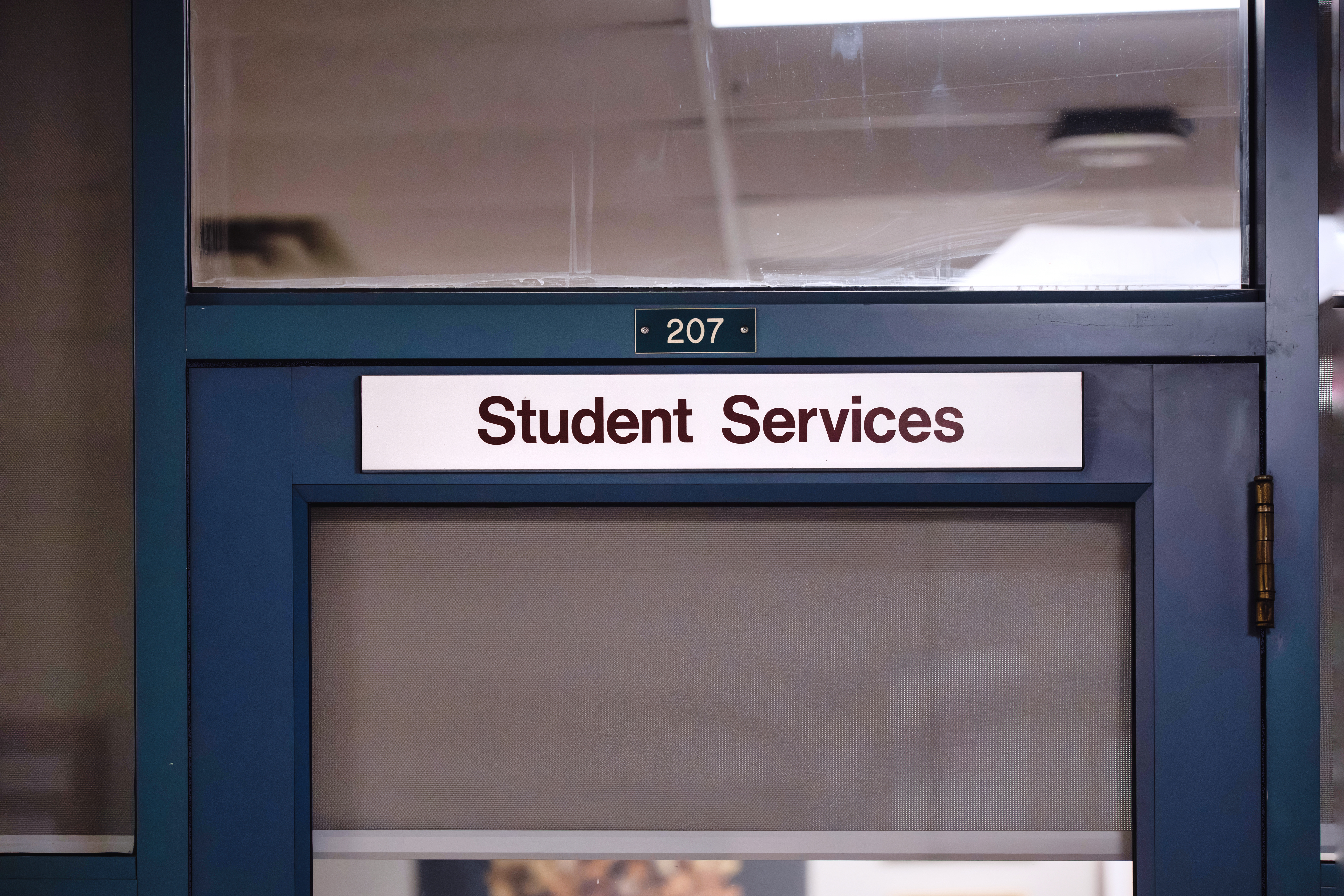
For a long time, leadership in student support services has been framed around compliance, crisis response, and solving problems after things have already gone wrong. The work has often centered on managing paperwork, meeting timelines, and reacting once students reach a breaking point. Those responsibilities matter, but they are not enough. The longer I work in this field, the clearer it becomes that effective leadership in student support services has to be less about control and more about building systems that genuinely support people.
Student support services sit at the intersection of academics, behavior, mental health, family systems, and trauma. That complexity requires leadership that is flexible and relational, not rigid or transactional. The most meaningful progress does not come from issuing directives or enforcing compliance alone. It comes from creating clarity so staff can focus on students instead of navigating confusion, and from building a culture where people feel supported enough to do difficult work well.
One of the most important shifts in my own leadership has been letting go of the idea that strong leadership means having all the answers. In student support services, no single person can hold all the expertise. Teachers understand classroom realities. Intervention specialists understand individualized supports. Counselors, psychologists, and social workers understand the emotional and mental health needs that show up every day. Effective leadership brings those voices together, aligns them around shared goals, and removes barriers that prevent collaboration.
Rethinking leadership also means reconsidering how success is defined. Traditionally, success has been measured through compliance indicators, service minutes, and documentation. While those measures are necessary, they do not tell the full story. Real success shows up when teams feel confident in their decision making, when families feel heard rather than managed, and when students experience consistency instead of fragmentation. Leadership should focus on building systems that are predictable, transparent, and humane, especially for students with the highest needs.
Another critical aspect of this work is recognizing the emotional labor carried by those in student support roles. These professionals often absorb trauma, crisis, and unmet needs while still being expected to perform at high levels. Leadership that ignores this reality contributes to burnout and turnover. Leadership that acknowledges it creates conditions for sustainability. That includes setting realistic expectations, prioritizing professional learning that is meaningful, and modeling boundaries that allow people to stay in the work long term.
Rethinking leadership in student support services also requires the courage to challenge long standing practices. Just because a system has always operated a certain way does not mean it is effective or equitable. Leaders must be willing to ask hard questions about access, inclusion, and consistency across buildings and programs. That work can be uncomfortable, but it is necessary if student support services are going to function as a true safety net rather than a reactive fix.
At its core, leadership in student support services is about people. It is about ensuring students are not reduced to labels or data points, staff are not overwhelmed by systems that work against them, and families are treated as partners rather than obstacles. When leadership centers those values, the impact extends far beyond individual cases. It shapes culture, strengthens trust, and creates environments where both students and adults can thrive.
Rethinking leadership is not about abandoning structure. It is about building structures that serve the work instead of overshadowing it. When leadership shifts in that direction, student support services move from being a separate function to an integrated and essential part of the educational experience.
References
Edmondson, A. (2018). The Fearless Organization.
Fullan, M. (2014). The Principal.
National Child Traumatic Stress Network. (2017). Creating, Supporting, and Sustaining Trauma-Informed Schools.
Maslach, C., & Leiter, M. P. (2016). Burnout.
Leithwood, K., Harris, A., & Hopkins, D. (2020). Seven Strong Claims About Successful School Leadership.
Join Influential Women and start making an impact. Register now.