Her Story
About Holi
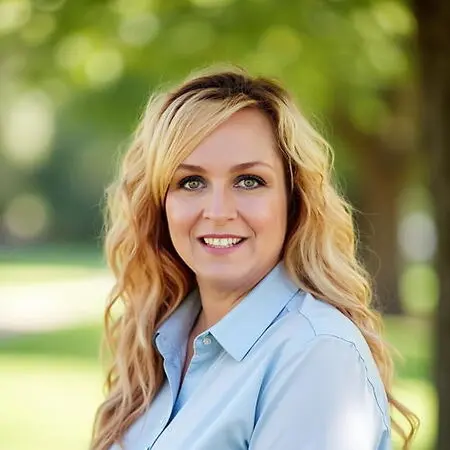
Holi Dahl is a trauma-informed program leader, federal and nonprofit strategist, and curriculum developer with over 25 years of experience advancing public health, community resilience, and violence prevention. Throughout her career, she has worked across nonprofit, federal, and military sectors, designing programs that prioritize equity, empathy, and measurable impact. From building job training programs for survivors to launching trauma-informed protocols in disaster response, Holi’s work consistently centers on empowering communities and addressing systemic harm.
Holi has held leadership roles in high-impact organizations, including serving as the lead program analyst for a federal data modernization initiative at the U.S. Department of Health and Human Services, shaping policy, training, and communications for more than 365 grantees nationwide. During her tenure in the U.S. Navy, she developed trauma-informed crisis training used across installations, helped establish emergency response teams during COVID-19, and contributed to DEI initiatives to elevate inclusive program design. She also served as director at Alpha House, a nonprofit providing supportive services, and continues to advance trauma-informed care as President of the Phoenix Group Foundation.
Her leadership philosophy blends operational oversight with direct service experience, emphasizing systems designed around the voices of those they serve—particularly individuals who have experienced trauma or systemic exclusion. Holi has mentored emerging leaders, developed nationally scalable programs, and partnered with schools, hospitals, agencies, and corporations to bring collaborative solutions to complex social challenges. At the core of her work is a belief that meaningful change and healing are possible when community, strategy, and humanity intersect.
Her Interview
Ten minutes with Holi
01What do you attribute your success to?
I attribute my success to a combination of creativity, collaboration, and a commitment to impact. One of my proudest accomplishments was when I began working with the Navy as a civilian with no prior military experience. During a Domestic Violence Prevention month event, I saw an opportunity to expand the reach of a program that typically drew only five to ten attendees. By connecting with agencies in my community and introducing a more interactive approach, we welcomed over 150 participants. That program continued each year, demonstrating the lasting impact of engaging people in meaningful ways. I am a trauma-informed educator, crisis response leader, and collaborative strategist with more than 25 years of experience advancing public health, community resilience, and violence prevention across nonprofit, federal, and military sectors. My work is grounded in equity, empathy, and measurable outcomes—whether developing job training programs for survivors, implementing trauma-informed disaster response protocols, or leading national initiatives on domestic violence, sexual assault, and family systems. In my career, I’ve combined hands-on service with strategic oversight. I served as lead program analyst for a federal data modernization initiative at the Department of Health and Human Services, shaping policy, training, and communications that affect over 365 grantees nationwide. In the Navy, I developed trauma-informed crisis training used across installations, helped establish emergency response teams during COVID-19, and served on DEI panels to advance inclusive program design. I believe that healing and change are possible when strategy, community, and humanity come together, and I strive to design systems that elevate the voices of those who have experienced harm, trauma, or systemic exclusion.
02What’s the best career advice you’ve ever received?
The best career advice I’ve ever received came long before I held a leadership title. My late grandmothers, Helen Bradbury and Palmira Smith, were my first and most enduring mentors. They taught me to lead with love, to stand firmly in my values, and to remain teachable no matter my role or accomplishments. Their belief in getting back up—again and again—instilled in me a resilience that has carried me through every season of my professional journey.
As I stepped into my career journey, I was fortunate to learn from extraordinary leaders like Patti Brown and Shawndell Dawson. Patti taught me the power of curiosity and the importance of leaning into opportunities that stretch and challenge you. Shawndell showed me how intentional relationships and collaborative networks can accelerate change and magnify impact. Their mentorship reinforced that leadership is not about having all the answers; it’s about staying open, building community, and approaching every challenge as a chance to innovate.
These collective lessons shape how I lead today—as a learner, a listener, and someone committed to lifting others as I rise.
03What advice would you give to young women entering your industry?
My advice to young women entering this industry is to be authentically yourself. Bring your whole self to everything you do, stay true to your “why,” and remain focused on what you set out to accomplish. When you lead with authenticity and purpose, you create impact, build trust, and inspire others along the way.
04What are the biggest challenges or opportunities in your field right now?
As President of Phoenix Group Foundation, I see the biggest challenge facing our field right now is the same one shared by most community-based nonprofits: sustainable funding. As the need for mental health and substance-use support continues to rise—especially among young adults—resources remain limited, fragmented, and unpredictable.
The greatest opportunity, however, is transformative. We have a real chance to create systemic change in how young adults and their families access care. By building more integrated, trauma-informed, community-rooted services, we can shift from crisis response to true prevention and long-term healing. It’s an exciting moment to reimagine what compassionate, accessible support can look like.
05What values are most important to you in your work and personal life?
The value that guides me most in both my work and personal life is to meet people where they are—without judgment. You never know the challenges someone is facing, so I strive to approach every interaction with openness, empathy, and acceptance. Outside of work, I cherish time with my family and enjoy traveling anywhere I can, whether it’s exploring new destinations or visiting my family in Taft, CA. With seven children, ten grandchildren, and eight huskies, life is full, lively, and always keeps me on my toes.
Join Influential Women and start making an impact. Register now.