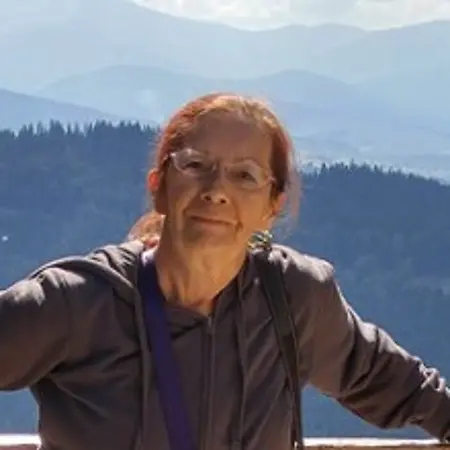
Her Story
About Irene
My career in media and publishing began in 1974, and I started working at the Dallas Times Herald in 1982. I've been writing for newspapers for at least 25 years, and I've also done sales in radio and television. I was on air at a local radio station for 9 years. I've worked primarily for smaller newspapers, which I actually prefer because you get to do a lot more - you're not pigeonholed to one specific area like a society page. I cover stories of all kinds: disasters, features, and history. I get to pick my own stories most of the time. I have a particular gift for doing history, and over the years at my current newspaper, I've done over 600 history stories of people and places in this area. This involves interviewing people descended from families, researching old newspaper articles, using ancestry resources, and being very persistent. I've received many awards and recognitions at both state and local levels, and the Chamber of Commerce has honored me as well. Working in a small community where everybody knows everybody makes my job easier because I can find ways to get inside subjects and people in a way that would be much more difficult in a big city.
Her Interview
Ten minutes with Irene
01What do you attribute your success to?
I don't jump around too much - I stick with one job for quite a lot of time. I think there's an advantage to moving around and maybe I might have gotten to a bigger place, but I'm pretty content with a smaller place because it's a lot more intimate. You don't have to compete with a lot of people, and basically, as long as you do your job, you thrive. Half of it is hard work, half of it is luck. In a small town, you have a better opportunity because finding someone to do my job isn't as easy as it sounds. Not everybody can just jump in and start writing - writing for a newspaper is a different style and art. You have to work your way through it, but you also have to have some talent and knowledge of the basics. Community involvement is really crucial to success - you have to know how to meet people, ask around, and figure out who's important and where to find them.
02What advice would you give to young women entering your industry?
If you are an honest person, if you are diligent and reliable, if you show up and do your assignments, then look for creative ways to stand out. I started in radio without ever having had any kind of training, and I don't have a journalism degree either, but I basically just worked and made myself familiar with what I need to be doing. It isn't as hard as one might think, but getting the chance to do it - that's the challenge. You have to work to find that chance. I think a young woman starting out in a smaller town has more opportunity, because you have a better chance of getting directly to people. In a big city, there are so many layers of bureaucracy, but if you live in a little town, you might know the owner's cousin or have gone to school with somebody. You just go to a chamber of commerce mixer and you might run into somebody that you're looking for. But you do have to work - it doesn't just come to you. You have to be sharp, inquisitive, and a little skeptical. You have to have persistence and intelligence. You also need to know how to spell, have a good vocabulary, express yourself well, and learn how to talk to people so you can get a good interview. You can't just stick a microphone in somebody's face and expect to get a story.
03What are the biggest challenges or opportunities in your field right now?
The newspaper industry has shrunk quite a bit - there are much fewer newspapers now than there were before. I work for a weekly, which is a little different style than a daily. I like the idea of a weekly because it gives you time to develop a story, but I don't like it because you can't always be timely. If a story hits the day after you publish, you have to wait to get the next story the following week, and by then that story's been published everywhere else, so you're kind of left a little bit behind. But it does give you a chance to develop the story more deeply and maybe get a better story in the time that you have. Just because it's out in the beginning doesn't mean it's better - it just means you're first, but you could be wrong. I like the pace of the weekly better because it gives me more time to formulate a story and develop better sources.
Join Influential Women and start making an impact. Register now.