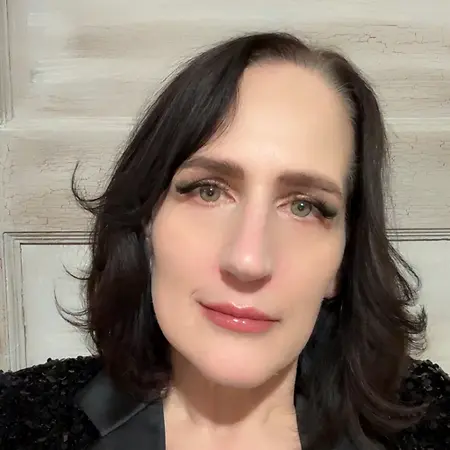
Influential Woman · Mental Health / Behavioral Health
Isabella Stephanie Maxwell, L.P.C.
Licensed Professional Counselor, Maxwell Counseling Collective
Harrisburg, PA 17110
Her Story
About Isabella Stephanie
Isabella Stephanie Maxwell, L.P.C., is a dedicated mental health professional with over 13 years of experience providing trauma-informed care. Currently a Licensed Professional Counselor at Alma, she specializes in supporting neurodivergent individuals and LGBTQ+ clients through accessible, high-quality online therapy. Isabella’s approach emphasizes evidence-based interventions, including Cognitive Behavioral Therapy (CBT), Acceptance and Commitment Therapy (ACT), and person-centered methods, while integrating mindfulness and somatic techniques to promote holistic well-being, resilience, and personal growth. Throughout her career, Isabella has worked across outpatient, school-based, and in-home settings, collaborating with multidisciplinary teams to address complex emotional, behavioral, and relational challenges. She has provided individual, family, and group therapy, developing tailored treatment plans for clients navigating trauma, anxiety, depression, and major life transitions. Her work reflects a commitment to creating safe, supportive, and culturally responsive environments for all clients. In addition to her clinical practice, Isabella is pursuing a PhD in Mind-Body Medicine with an Integrative Mental Health specialization at Saybrook University, further enhancing her expertise in holistic therapeutic approaches. She is passionate about advancing her knowledge in somatic therapy and expanding her professional impact through private practice in the future. Isabella’s career reflects a deep dedication to improving emotional regulation, fostering personal growth, and empowering diverse communities through compassionate, evidence-based mental health care.
Her Interview
Ten minutes with Isabella Stephanie
01What do you attribute your success to?
I attribute my success to a deep curiosity about human behavior, a strong sense of empathy for my clients, and a commitment to creating safe, affirming, and positive therapy experiences—particularly for individuals who may have had negative encounters with mental health systems in the past. I also credit my dedication to continuous learning and ongoing personal and professional growth.
02What’s the best career advice you’ve ever received?
The best career advice I’ve ever received came from the educators and professionals I had the privilege of learning from throughout my academic training and clinical practice. Their guidance taught me the value of curiosity, active learning, and applying knowledge thoughtfully in real-world clinical settings.
03What advice would you give to young women entering your industry?
My advice to young women entering this field is to prioritize self-care, pursue ongoing education, and set clear boundaries to prevent burnout. It’s equally important to stay committed to compassionate, client-centered care, even while navigating the demands of academic training alongside professional responsibilities.
04What are the biggest challenges or opportunities in your field right now?
The biggest challenges in my field currently include balancing rigorous academic programs with clinical work, managing the high costs of advanced training—such as somatic therapy certification—and navigating healthcare systems that often prioritize reactive treatment over prevention. I am also mindful of policy and administrative decisions that can sometimes undervalue behavioral health credentials.
At the same time, there are exciting opportunities, including the growing demand for teletherapy, increased awareness of emotional regulation and mind-body approaches, the potential for expansion into private practice, and broader acceptance of specialized support for LGBTQ+ and neurodivergent communities.
05What values are most important to you in your work and personal life?
The values that guide me in both my work and personal life include compassion, emotional safety, authenticity, inclusivity, mental well-being, and personal growth. I am deeply committed to prevention-focused care and supporting individuals and families in building healthier emotional systems.
Outside of my professional work, I am passionate about oil painting, particularly abstract and nature-inspired pieces, which I use as a form of emotional release and relaxation. I also prioritize mindfulness, physical activity, and other forms of creative expression as essential components of my self-care routine.
Join Influential Women and start making an impact. Register now.