A personal journey from survival mode to healing through nervous system awareness. Discover how understanding your body's protective responses can transform self-blame into compassion and create lasting change.
Verified Member
Influential Woman · Mental Health and Wellness
Jacqueline Akeret
Mental Well-Being Practitioner, Inner Balance Coaching and Wellness
Galloway, NJ 08205
1Article published
Her Story
About Jacqueline
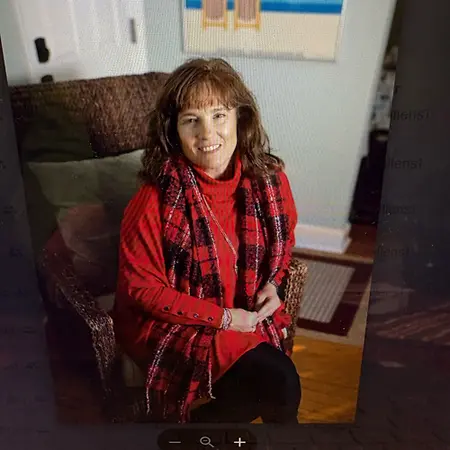
Jacqueline Akeret is a mental wellbeing practitioner, somatic trauma-informed coach, and founder of Inner Balance Coaching and Wellness, based in Galloway, New Jersey. With a professional background spanning Financial Systems Accounting and over 25 years in education, her work is grounded in both lived experience and a deep understanding of human behavior, learning, and emotional development. She now supports individuals navigating chronic stress, emotional overwhelm, and the lasting impact of trauma through a compassionate, nervous system-informed approach. Working with teens, parents, schools, and organizations, Jacqueline offers one-to-one coaching and workshops that help people make sense of their internal experiences in a way that is accessible, non-judgmental, and empowering. Her work is rooted in the understanding that trauma is not just something we think about, but something the body holds. Through somatic and embodied practices, she supports clients to gently build awareness of their nervous system patterns, expand their capacity, and develop practical tools for regulation, safety, and resilience. Integrating approaches such as the “Traffic Lights of Tolerance” and parts-informed work, Jacqueline helps individuals reduce shame, strengthen self-understanding, and reconnect with a greater sense of control and choice. Jacqueline’s work is particularly supportive for those recovering from narcissistic abuse and coercive control, offering a space that honors their experience without pathologizing it. Her approach is grounded, relational, and focused on restoring safety and self-trust at a pace that feels manageable. Her transition into this field was shaped by her own healing journey and a recognition of the gaps that can exist within more traditional approaches. As a former educator, she introduced nervous system tools into the classroom, supporting students to improve emotional regulation and overall wellbeing. Today, she continues that mission more broadly, creating spaces where people feel seen, supported, and equipped to move forward in a way that feels sustainable and aligned.
Her Interview
Ten minutes with Jacqueline
01What do you attribute your success to?
I attribute much of my growth to a moment of realization: that I am important, and that my life holds value. That understanding became a turning point, not only for how I saw myself, but for how I showed up for others. It created a deep commitment within me to help people recognize their own worth and significance. There were times when I felt overwhelmed and uncertain, moments where I reached a point of complete surrender and acknowledged that I could not carry everything alone. In those moments, I leaned into faith, trusting that guidance and support would meet me where I was. Looking back, I can see how the right opportunities, people, and direction appeared when they were most needed. Those experiences shaped a profound sense of meaning and resilience. They reminded me that my journey, with all its challenges, had purpose. Today, I can reflect on how far I have come with a sense of clarity and self-respect. Growth has brought awareness of both the effort and the progress, and I can say with honesty that I feel proud of what I have navigated and built. Healing has not been linear, but it has been transformative. And with each step forward, the understanding deepens: I matter, and so does every person walking their own path.
02What advice would you give to young women entering your industry?
My advice to young women entering this industry is to take time to understand your nervous system and how it shapes the way you think, respond, and make decisions. As you begin to recognize your patterns, particularly in moments of pressure, uncertainty, or connection, you create space for more grounded, intentional choices. Alongside this, developing an awareness of your nervous system capacity is just as important. This is about noticing what you can hold and respond to without becoming overwhelmed, and learning to work with that capacity rather than pushing beyond it.
It’s not about getting it “right”, but about understanding what feels safe, what feels too much, and what helps you return to a regulated state. Without this awareness, it can be easy to override your instincts or remain in environments that don’t feel aligned or even safe. Learning how your system communicates with you, and responding with respect for your capacity, is one of the most valuable tools you can carry, not just in your career, but in your relationships, boundaries, and overall wellbeing.
03What are the biggest challenges or opportunities in your field right now?
One of the biggest challenges in this field is navigating limited resources, particularly within schools and community settings, where budgets can restrict access to trauma-informed support and education. Alongside this, there is often the ongoing work of building awareness, trust, and sustainable growth in a space that is still evolving in its understanding of nervous system-informed approaches. At the same time, there is a significant opportunity. As more people begin to recognize the connection between behavior, emotional wellbeing, and the nervous system, there is growing openness to approaches that prioritize safety, regulation, and early intervention. Bringing this understanding into schools, communities, and businesses has the potential to support healthier relationships, strengthen emotional resilience, and interrupt patterns that might otherwise continue across generations. While the challenges require patience and consistency, the opportunity lies in creating spaces where individuals feel understood, supported, and better equipped to navigate their experiences in a way that feels safe and sustainable.
04What values are most important to you in your work and personal life?
My work and personal life are guided by a strong sense of faith, which offers me grounding, perspective, and trust during both steady and uncertain times. At the core of everything I do is a deep belief in the inherent worth and dignity of every person. This shapes how I show up, with compassion, respect, and a commitment to creating spaces where people feel safe to be seen and heard.
I am also deeply committed to serving others, particularly women and young people, in a way that honors their experiences without judgement and supports their capacity for growth at their own pace. Alongside this, my family remains a central part of my life, providing connection, meaning, and a reminder of what truly matters. These values, faith, compassion, service, and connection, guide both my personal relationships and my professional work, helping me stay aligned, regulated, and intentional in how I support others and navigate my own path.
Her Content Hub
Articles by Jacqueline
From Survival to Self-Trust: Rebuilding a Life Through Awareness, Capacity and Choice
How Understanding Your Nervous System Transforms Survival Into Self-Awareness and Lasting Change
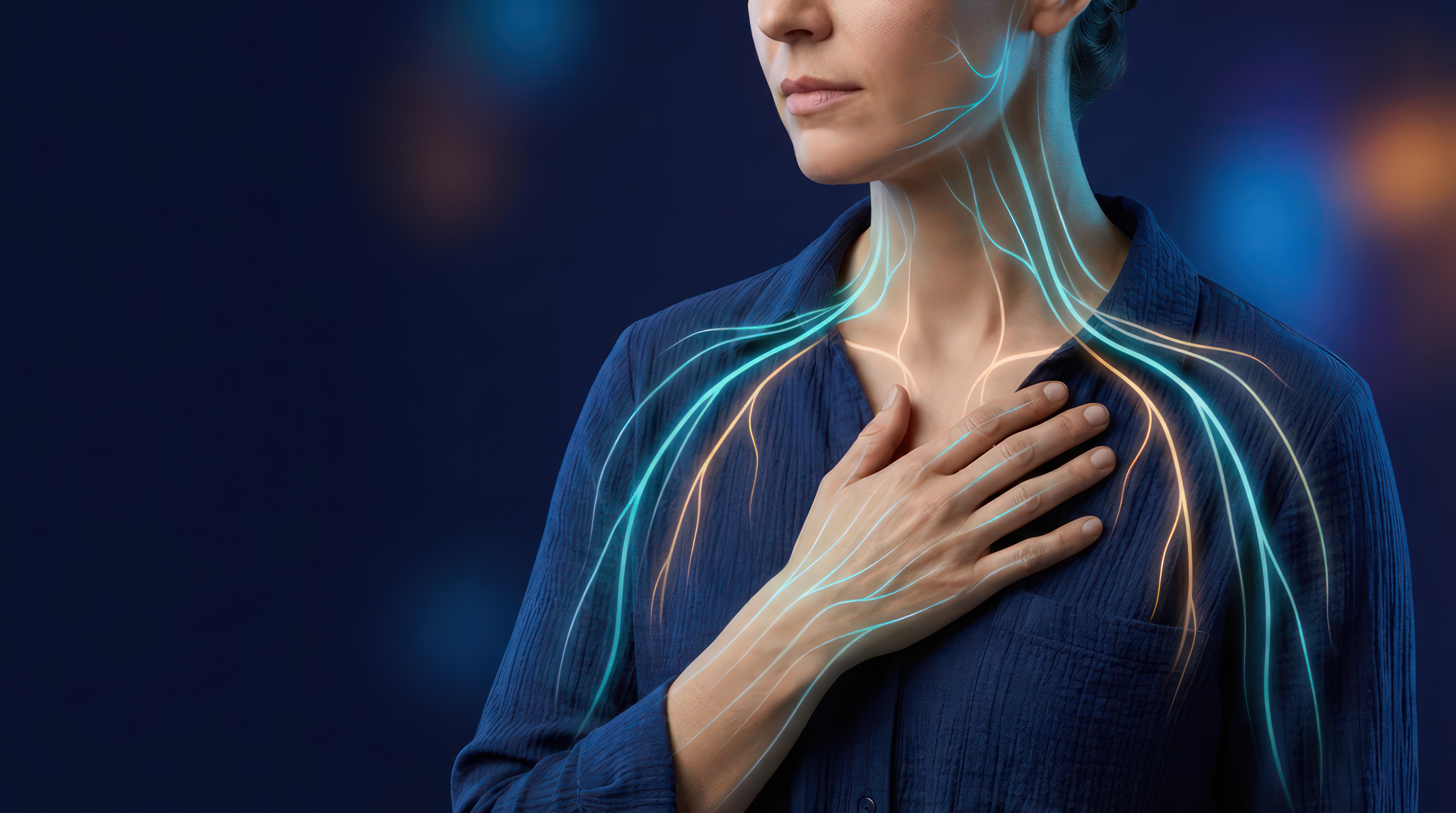
From Survival to Self-Understanding: The Power of Understanding Your Nervous System
There was a time in my life when I didn't have the language for what I was experiencing; I only knew how it felt.
I was living in a constant state of pressure, fear, and overwhelm, moving through each day in survival mode without understanding why. It wasn't until my life shifted so significantly that I began to recognize what had been happening beneath the surface.
What I had experienced wasn't a personal failing. It was the impact of prolonged emotional and psychological harm, and my nervous system had adapted in the only way it knew how: to protect me.
At the time, I didn't understand any of this. I didn't know about trauma responses, nervous system patterns, or capacity. I just knew that everything felt like too much, and yet, somehow, I kept going.
That was the beginning of a very different kind of journey—not one focused on “fixing” myself, but on understanding myself.
Through this process, I came to realize that healing isn't about pushing through or becoming someone new. It's about developing awareness of what your system has been holding, learning how to feel safe in your own body again, and building the capacity to respond to life rather than simply survive it.
Understanding My Nervous System Changed Everything
It helped me make sense of my patterns: why I stayed in situations longer than I wanted to, why I overrode my instincts, and why I felt stuck between overwhelm and shutdown.
More importantly, it allowed me to meet those patterns with compassion instead of judgment.
That shift—from self-blame to self-understanding—is where real change begins.
Today, this is the foundation of my work.
I support women, young people, and communities in better understanding their internal experiences through a trauma-informed, nervous-system-led approach. The goal isn't to label or pathologize, but to create awareness, build capacity, and offer practical ways to feel more regulated, more in control, and more connected to themselves.
Because when we understand what's happening within us, we make different choices.
And those choices, over time, create a different life.
What Once Felt Like the End Became a Beginning
Looking back, I can see that what once felt like the end of everything was actually the beginning of something far more aligned—not because it was easy, but because it led me to a deeper level of awareness, self-trust, and purpose.
This work matters because it changes how we relate to ourselves.
And when that changes, everything else can too.
If there is one thing I would want every woman to know, it's this:
You don't need to have everything figured out to begin.
Awareness is the first step, and from there, change becomes possible.
When we understand our nervous system, we can begin to respond to life with more clarity, more choice, and more self-trust. That is where sustainable growth lives.
If this resonates with you, or you're ready to explore this work further, I invite you to start the conversation—whether that's within yourself, within your community, or by reaching out for support.
Because when we feel safe enough to understand ourselves, we create the conditions not just to cope, but to truly move forward.
Join Influential Women and start making an impact. Register now.