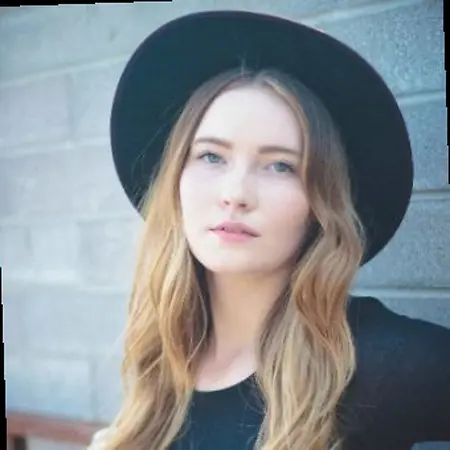
Her Story
About Jacqueline
Jacqueline Black is a Librarian and Archives Manager at Pace Gallery in New York, specializing in art librarianship, archives management, art documentation, historical research, and digital asset management. She initially joined Pace Gallery as a Librarian and later expanded her responsibilities to include management of the gallery’s archives. In her current role, she provides specialized reference and research assistance to gallery staff, dealers, scholarly researchers, and other users while managing resources that support the organization’s research and information needs.
With approximately nine years of experience in the fine art field, Jacqueline has developed expertise in managing art-related collections, archival materials, metadata, digital assets, and historical documentation. At Pace Gallery, she supports a library containing more than 13,000 titles and works with records dating back to the gallery’s founding in 1960. Her responsibilities include cataloging and processing digital assets, implementing information and metadata standards, collaborating with digital asset management vendors, developing research resources and training materials, and supporting scholarly and historical research. Previously, she held archival and digital asset management positions with David Yurman, The Frick Collection, and Pratt Institute.
Jacqueline earned a Master of Library and Information Science in Art and Archival Librarianship from Pratt Institute, graduating with Distinction, and a Bachelor of Arts in Journalism and Philosophy from Miami University. She has been recognized with the Pratt Circle Award for Outstanding Academic Achievement and the Senior Service Leadership Award from Miami University. Her professional involvement includes membership in the American Library Association and American Alliance of Museums, alongside volunteer service with GiGi’s Playhouse and The New York Public Library.
Her Interview
Ten minutes with Jacqueline
01What do you attribute your success to?
My success has largely come from remaining curious, being open to unexpected opportunities, and allowing my career to evolve rather than following a rigid plan. I initially studied Journalism and Philosophy with the expectation that I might pursue journalism, but exposure to museums, cultural institutions, and eventually art libraries and archives introduced me to a field that combined many of my interests.
I also attribute my growth to the experiences and opportunities I encountered early in my career. Working at established galleries and cultural institutions, including Gagosian Gallery and The Metropolitan Museum of Art, gave me valuable exposure to the specialized world of art libraries and archives. Those experiences helped me recognize a professional path I had not originally considered and ultimately shaped my nine-year career in the fine arts.
02What’s the best career advice you’ve ever received?
I did not identify one specific piece of career advice from a particular mentor. Instead, several early professional experiences and the people I encountered throughout my career helped shape my perspective.
My experiences at established galleries and cultural institutions, particularly my time at The Metropolitan Museum of Art working with its chief librarian, gave me valuable insight into the profession and helped me understand the possibilities within art libraries and archives. Today, I have also begun serving as a resource for others who reach out to me for advice about careers in art libraries, archives, and related fields.
03What advice would you give to young women entering your industry?
I would encourage young women to say yes to as many opportunities as possible, even when they do not meet every listed criterion. It is important to remain open to opportunities and avoid being overly rigid about what your career path should look like.
My own career was not straightforward. It changed as I was exposed to new experiences and discovered areas of the field that I had not originally considered. I believe that being willing to explore unexpected opportunities can open doors that may not have been part of your original plan.
04What are the biggest challenges or opportunities in your field right now?
The art world can be highly competitive and insular, with access to opportunities sometimes influenced by professional connections, financial resources, and socioeconomic circumstances. Entry-level positions can also be unpaid or poorly compensated, which can make it difficult for people to gain early experience without additional financial or personal support.
At the same time, I see an opportunity to apply my expertise in art documentation to support emerging artists. Many artists do not realize how important it is to maintain accurate records of their work, including titles, dimensions, dates, photographs, and other documentation. I would eventually like to create a side business that helps emerging artists establish professional documentation systems before they reach a point where they have dedicated studio managers or administrative support.
05What values are most important to you in your work and personal life?
I value curiosity, accuracy, education, openness, preservation, creativity, and helping others grow. My work requires a high level of attention to detail because historical information can influence how an artist and their work are researched, documented, and understood.
I also place a great deal of value on remaining open to unexpected opportunities. If I had rigidly followed my original plan to work in journalism, I may never have discovered the career that ultimately brought together so many of my interests. Staying curious and continuing to learn have been important parts of both my professional and personal life.
Join Influential Women and start making an impact. Register now.