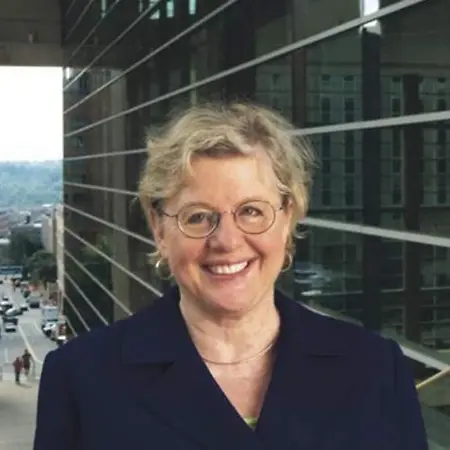
Her Story
About Jacqueline
Jacqueline Dunbar-Jacob, PhD, RN, FAAN, is a retired Distinguished Service Professor and Dean of the School of Nursing at the University of Pittsburgh. Over the course of her distinguished academic career, she served as dean from 2001 to 2022 and held additional faculty appointments in psychology, epidemiology, and occupational therapy. Known for her leadership in nursing education and interdisciplinary research, Dr. Dunbar-Jacob helped shape the direction of nursing scholarship while mentoring generations of healthcare professionals.
Her research career focused largely on understanding why individuals with chronic conditions do not always follow their prescribed medical regimens and how healthcare providers can improve patient adherence to treatment. Her work examined a range of health issues, including cardiovascular risk, diabetes, and rheumatologic conditions, and she led or contributed to numerous federally funded research initiatives. Over time, she also expanded her research to address the importance of creating healthy work environments for nurses, recognizing the critical role workplace conditions play in patient care and professional well-being.
Although now retired from her formal university leadership role, Dr. Dunbar-Jacob remains actively engaged in the healthcare and academic communities. She continues to publish scholarly work and contributes her expertise through service on advisory boards, professional committees, and healthcare organizations. Her career reflects a lifelong commitment to advancing nursing science, improving patient outcomes, and strengthening the healthcare system through research, collaboration, and mentorship.
Her Interview
Ten minutes with Jacqueline
01What do you attribute your success to?
I started out as a nurse and worked clinically, and was made a head nurse just a year after finishing my nursing program. I made the decision to return to school because I saw the need for furthering my education for really capable performance in nursing. That commitment to lifelong learning led me to pursue a master's degree in psychiatric nursing, and then when I realized I wanted to do more with mental health than my master's degree would permit, I pursued a PhD in counseling psychology. I got very committed to academics when I taught at San Jose State University during my doctoral program, and I stayed in the academic world from that time forward. I got interested in research during my doctoral program and continued to pursue NIH-supported research throughout most of my career. I went through the ranks from assistant to full professor, became department chair, and then dean of the School of Nursing at the University of Pittsburgh. I was very active in professional associations and ended up president of three of them. I've been in the field for 60 years, and even in retirement, I continue to serve on 12 to 14 boards and committees, write for publication - I had 10 publications last year - and stay busy contributing where I can in the healthcare arena.
02What’s the best career advice you’ve ever received?
The best career advice I have ever received is that you can build a career you truly love while committing yourself to lifelong learning. That idea has guided me throughout my professional journey and has shaped the way I approach both my work and personal growth. When you are passionate about what you do, your career becomes more than just a job—it becomes an opportunity to continually explore, improve, and contribute in meaningful ways.
I have always believed that learning should never stop. Whether through research, collaboration with colleagues, or new professional experiences, every stage of a career offers opportunities to expand your knowledge and perspective. Maintaining that curiosity and dedication to learning has been one of the most rewarding aspects of my career and has allowed me to remain engaged in my field for many years.
03What advice would you give to young women entering your industry?
My advice to young women entering this field is to pursue a career that you truly care about and one that allows you to make a meaningful difference in the lives of others. Healthcare and nursing offer many opportunities to contribute to the well-being of individuals and communities, and that sense of purpose can make your work incredibly rewarding.
I would also encourage young professionals to remain curious and committed to lifelong learning. The healthcare field is constantly evolving, and continuing to expand your knowledge and skills is essential for growth and for providing the best possible care. Embracing learning throughout your career will open new opportunities and help you adapt to the many changes within the profession.
Most importantly, believe that you can build a career that is both fulfilling and impactful. With dedication, compassion, and a commitment to learning, you can create a professional path that not only brings you personal satisfaction but also allows you to help others in meaningful ways.
04What are the biggest challenges or opportunities in your field right now?
One of the most pressing challenges in healthcare today is ensuring healthy work environments for nurses, an issue that has become even more urgent in the years following COVID. Nurses are essential to the delivery of quality care, and creating supportive, sustainable work environments is critical to both patient outcomes and workforce stability. At the same time, healthcare delivery continues to evolve rapidly, requiring professionals and institutions to adapt to new technologies, care models, and patient needs.
Another ongoing challenge—and opportunity—lies in improving patient adherence to treatment regimens. Much of my research has focused on understanding why individuals with chronic conditions do not consistently follow medical recommendations and identifying ways healthcare teams can better support patients in managing their health. By improving adherence, we can significantly enhance quality of life and long-term health outcomes for many people living with chronic disease.
05What values are most important to you in your work and personal life?
Two values that have guided me throughout my career are establishing credibility and building strong professional networks. Credibility is fundamental in academic and healthcare environments because it reflects a commitment to rigorous research, ethical practice, and meaningful contributions to the field. It is through that credibility that one earns the trust of colleagues, students, and the broader healthcare community.
Equally important is cultivating professional relationships and networks. Collaboration is at the heart of meaningful progress in healthcare and research. By connecting with colleagues across disciplines and institutions, we are able to exchange ideas, strengthen our work, and expand the impact of our efforts. Those relationships have played a vital role in my career and continue to shape how I engage with the healthcare community today.
Join Influential Women and start making an impact. Register now.