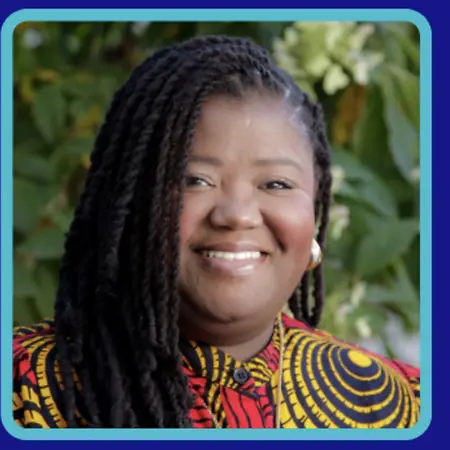
Influential Woman · Nonprofit
Jacqueline Warikhale Kalipeni, MBA
Chief Executive Officer, The Kalipeni Foundation
Champaign, IL 61821
Her Story
About Jacqueline
Jacqueline Warikhale Kalipeni, MBA, is the Chief Executive Officer of The Kalipeni Foundation, a nonprofit organization she founded in 2015 to support communities in Malawi and across Sub-Saharan Africa. Born in Malawi and raised in the United States, Jacqueline was inspired by her parents’ commitment to education, service, and supporting African immigrants. Through The Kalipeni Foundation, she leads initiatives that provide essential resources, including hospital equipment, clothing, children’s books, toys, and support for community-led water access projects. The foundation also assists international students and African immigrants in the United States through temporary housing, welcome resources, school registration guidance, and community gatherings.
With more than 15 years of professional experience, Jacqueline has built a diverse career spanning nonprofit leadership, international relations, business, education, social services, and community development. Prior to leading The Kalipeni Foundation, she served as Director of International Relations at Omnia Global Group and as Store Development Manager at Sprint, where she gained extensive experience in marketing, recruitment, training, and organizational operations. She holds a Bachelor of Arts in History from the University of Illinois Urbana-Champaign and a Master of Business Administration from the University of Illinois Springfield, completed in 2024. She is also actively engaged in community service through organizations and initiatives supporting youth, families, immigrants, and underserved communities.
In addition to her work as a nonprofit executive, Jacqueline is a keynote speaker, author, and advocate who is passionate about empowering individuals and demonstrating how one person can create meaningful change. Her leadership is grounded in faith, family, kindness, empathy, and a strong commitment to serving others. Outside of her professional and community work, Jacqueline enjoys traveling and reading, which allow her to continue learning, experiencing different cultures, and gaining new perspectives. She is also interested in The Bridge podcast on YouTube, reflecting her passion for meaningful conversations, connection, and personal growth. Through her leadership and service, Jacqueline continues to inspire others to use their voices, embrace their purpose, and make a positive impact in their communities.
Her Interview
Ten minutes with Jacqueline
01What do you attribute your success to?
I attribute much of my success to the strong foundation, unwavering support, and example set by my parents. My father, the late Dr. Ezekiel Kalipeni, demonstrated through his life and accomplishments the transformative power of education, scholarship, and perseverance. My mother, Mrs. Fatima Kalipeni, instilled in me the importance of compassion, service, resilience, and remaining committed to others even when the work is difficult. Together, they taught me that success is not measured solely by what we accomplish for ourselves, but by what we do with those accomplishments to create opportunities for others.
Growing up, I witnessed my parents dedicate themselves to supporting and educating African immigrants as they navigated life in the United States. Their work went beyond helping people adjust to a new country; they helped individuals and families understand systems, access resources, find community, and gain the confidence necessary to build successful lives for themselves.
The legacy of my late father and the continued example of my mother have profoundly shaped the person and leader I am today. My parents taught me to value education not simply as a pathway to personal success, but as a responsibility to serve. That lesson remains at the center of my leadership, my advocacy for underserved communities, and my commitment to creating opportunities that allow others to thrive.
02What’s the best career advice you’ve ever received?
The best career advice I’ve ever received is to pursue the path God has called me to follow, because that is where I will find true fulfillment and happiness. I believe that when you are passionate about your work and aligned with your purpose, challenges become more meaningful and success becomes more rewarding. It is much easier to dedicate yourself to work you genuinely love than to spend your life doing something you dislike.
03What advice would you give to young women entering your industry?
My advice to young women entering the nonprofit sector is to never lose sight of the people behind the mission. There will be moments when the work is demanding, resources are limited, and the financial rewards may not reflect the level of responsibility you carry. In those moments, your sense of purpose becomes even more important.
At the same time, serving others should never require you to diminish your own value. Know your worth, advocate for yourself, establish healthy boundaries, and understand that strong leadership includes taking care of the people doing the work—including yourself. Passion is powerful, but passion paired with strategy, resilience, and sustainability is what creates lasting impact.
Stay focused on why you entered this work, but remain open to learning, evolving, and taking up space as a leader. Build relationships, seek mentors, and do not be afraid to bring new ideas to the table. Most importantly, remember that you do not have to choose between having a heart for service and being an ambitious, successful woman. You can do both.
Stay the course, protect your purpose, and allow the lives you impact to remind you why the work matters.
04What are the biggest challenges or opportunities in your field right now?
One of the most significant challenges facing the nonprofit sector today is financial sustainability—and the direct impact that funding limitations have on the people doing the work. Nonprofit organizations are often expected to address some of society’s most complex challenges while operating with limited and sometimes unpredictable resources. That reality affects everything from programming and organizational growth to employee compensation, benefits, professional development, and long-term career opportunities.
This challenge is particularly significant for young professionals entering the nonprofit workforce. Many entry-level positions are filled by recent college graduates who bring education, energy, innovation, and a genuine desire to serve, yet the salaries available may not align with the rising cost of living or the financial realities they face after graduation. This creates a difficult tension: we cannot build sustainable organizations while expecting the people carrying out the mission to continually sacrifice their own financial stability.
The nonprofit sector must continue advocating not only for greater investment in programs but also for funding models that recognize competitive compensation, staff development, and employee retention as essential components of impact. Paying people fairly is not separate from the mission—it strengthens our ability to accomplish it.
Despite these challenges, nonprofit work remains incredibly powerful. It provides an opportunity to build stronger communities, advocate for people whose voices may otherwise go unheard, and create change that can last for generations. The future of the nonprofit sector depends on our ability to value the mission while equally valuing the people entrusted with carrying it forward.
05What values are most important to you in your work and personal life?
The values that guide me—both personally and professionally—are family, compassion, kindness, empathy, service, and being genuinely present for others. My faith is at the center of those values. I strive to lead and live according to Christ-like principles: loving others, serving those in need, extending grace, and treating people with the same compassion that Christ has shown me.
I believe success means very little if it is not accompanied by humanity. Financial stability is important, and I understand the necessity of building a secure life, but I do not believe our greatest impact is measured by what we accumulate. Sometimes the most valuable thing we can offer another person is our time, our presence, our kindness, or the reassurance that they do not have to navigate a difficult moment alone.
That philosophy influences the way I lead, the way I serve my community, and the way I approach relationships. I want people to know they matter—not just for what they accomplish or contribute, but for who they are. At the end of the day, I hope my legacy is not defined solely by titles, degrees, or professional accomplishments, but by how I treated people, how I showed up for them, and whether my life made someone else's journey a little better.
Join Influential Women and start making an impact. Register now.