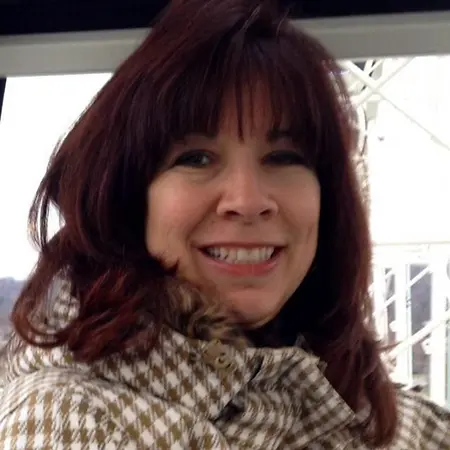
Her Story
About Jana
Jana Monaco is a rare disease advocate based in Winchester, Virginia, whose work is deeply rooted in her personal experience as a mother of children affected by isovaleric acidemia (IVA), a rare metabolic disorder. Her advocacy journey began after her son Stephen suffered a preventable metabolic crisis at age three and a half, resulting in severe brain injury due to a delayed diagnosis. This pivotal event led her to dedicate her life to improving newborn screening policies so that rare diseases can be detected at birth, preventing similar outcomes for other families.
Over the past 25 years, Jana has become a nationally recognized voice in rare disease advocacy and newborn screening reform. She serves as the Virginia State Ambassador for the National Organization for Rare Disorders (NORD) Rare Action Network and has played a key role in expanding newborn screening legislation across the United States. She also served as Vice Chair of Virginia’s Rare Disease Advisory Council and remains active with the Virginia Newborn Screening Committee, the Organic Acidemia Association, and the Patient and Family Advisory Council at Children’s National Hospital. Her work focuses on strengthening healthcare systems, improving access to treatment, and supporting families navigating complex genetic conditions.
In addition to her policy and advisory roles, Jana is a passionate community organizer and caregiver who continues to care for her son while advocating on local, state, and national levels. She organizes the annual Stephen Monaco Charity Golf and Dinner Event, which raises funds for the Rare Disease Institute at Children’s National Hospital in honor of her son. Her advocacy has earned her recognition including the NORD Rare Impact Award, but she describes her mission as personal rather than professional—driven by her promise to ensure her son’s experience leads to meaningful change for others living with rare diseases.
Her Interview
Ten minutes with Jana
01What do you attribute your success to?
I attribute my success to turning a very tragic situation into something rewarding and hopeful. Twenty-five years ago, when Steven was diagnosed and our whole world crashed around us, I thought something good has to come of it. I made a promise to Steven in his hospital room 24 hours after we brought him to the hospital that the world would know him, and I feel like I kept that promise by sharing our experience and his story with the world. My advocacy is fueled by never wanting anybody else to have to go through what we went through. Every time I face a challenge with Steven's care or see barriers in the system, it drives my work forward because I know others are dealing with the same issues. Whatever I do to advocate for him, I always take it a step further because I know others are dealing with it too. I've been at this almost 25 years now, and I know the early stages of diagnosis in a good way and a bad way. I've watched my children grow up in it, so I know some of the barriers, I know what has worked, I know what could be better. Living through all of these phases empowers me to be more impactful and helpful for anyone dealing with it. I advocate for what I live with, so I'm very familiar with it, and that's been the key.
02What’s the best career advice you’ve ever received?
The best advice I follow is that change can't happen unless those voices are there to be heard. I've learned that it's when you sit at the table and have that conversation, that's where things happen and where the change happens. We live in a crazy world with so much noise and chaos out there that we all block out most of it, but it's where you sit down at the table and have that conversation, that's where the change happens. You have to find the people that can make the difference and make direct contact. That's what's behind the whole Rare Disease Advisory Council - you have to have a body of people where the stakeholders can come to that table and sit down and have a conversation and say, this is what I'm up against, this is what we deal with. That's where the change happens, not in all the protesting and noise, but in sitting at the table advocating and coming with your story to the people who can make a difference.
03What advice would you give to young women entering your industry?
My advice would be that you have to have a passion for it, especially if you're advocating in the rare disease world. Strong voices are so needed, and people are out there to listen. Change can't happen unless those voices are there to be heard. Not everybody can do this work - it's all they can do to just deal with their child's medical issues - so when you come into advocacy, you might be coming into it for something that impacts you yourself, but you make such a profound difference for so many other people. And to me, that's very rewarding. I am happy to know that what I do is helping others that need it but can't do it themselves. There are so many opportunities in this field. What better way to emphasize the need of certain policy changes than taking either your own personal experience or that of somebody that you know, that has lived it, lives it, and you make it real. And it is rewarding - you make a profound difference for people. It takes some work, but when you get yourself and you sit at the table advocating and you find the people that can make the difference and make direct contact, that's where the change happens.
04What are the biggest challenges or opportunities in your field right now?
The biggest challenges right now are access to care, transition of care from pediatric to adult healthcare, insurance coverage, and medication costs. Access to care is a big challenge for many with a rare disease - sometimes primary care doctors get scared off when they learn a person has a rare disease. Transition to care is probably one of the really big hurdles that people are dealing or facing right now. We're getting these babies diagnosed early through newborn screening, they're leading normal lives and growing up, but suddenly they're adults and they leave the pediatric world of care, and the adult world says they weren't ready for that. The coverage and insurance issues are astronomical - some of these medications can cost millions, and many patients fall through dangerous gaps in the system as they age. The greatest opportunities lie in policy reform and improved newborn screening. It's getting better, but I don't think society and the medical world are keeping up with the research part of it. The researchers are doing their work, the specialists are learning, we're doing the newborn screening and testing at birth, but the rest of the world doesn't always know how to implement it. The science is there, but the medical world doesn't know what to do with it. We need to engage the adult world of medical care and have a really succinct system in place so families don't have to worry about their lifeline being cut off because their child doesn't fit in the pediatric world anymore but the adult world is not ready for them.
05What values are most important to you in your work and personal life?
The values most important to me are making a profound difference for people who need help but can't advocate for themselves, turning tragedy into purpose and hope, and ensuring that families don't have to go through what we went through. I believe that something good has to come out of even the most difficult situations. I'm driven by the promise I made to Steven 25 years ago that the world would know him, and by making sure that what I do helps others who are dealing with the same challenges. I've never done this for the awards - I do it in Steven's honor, and my reward is seeing the changes that are happening in newborn screening and for rare diseases. I believe in being a voice for those who cannot always advocate for themselves, especially when you're dealing with complex medical systems and rare diseases. Patient and family-centered care is essential - ensuring that families are part of the care team and that their voices are heard in how medical care is delivered. I also believe strongly in persistence and staying at the table to create change, because that's where real progress happens, not in all the noise and chaos but in sitting down and having those conversations with the people who can make a difference.
Join Influential Women and start making an impact. Register now.