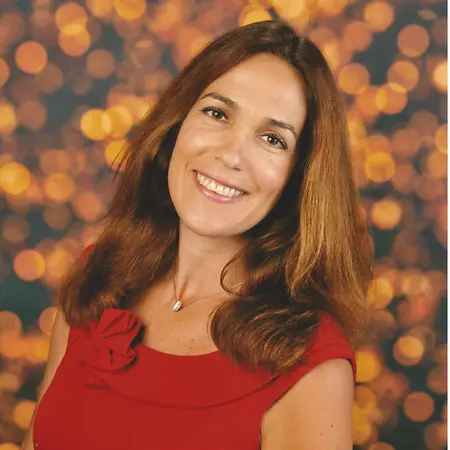
Her Story
About Janet
I've been in my field for 30 years, and my journey has been one of continuous growth and leadership. I started as a developer early in my career, but I knew from the beginning that I really enjoyed working with people and leading teams. When I told my boss I wanted to become a project manager, they said I couldn't do it without my PMP certification and wouldn't give me the chance. That drove me to get certified, and when I came back with my PMP, I got the role. From there, it was history - I kept climbing the ladder, taking on more complex programs. I've managed everything from hands-on projects to portfolio-level programs at Southern Glaciers, where I oversaw multiple programs and managed people at a higher level. Currently, I'm a Senior Project Manager at Miami-Dade County, leading a $20 million record management system modernization program for the Miami-Dade Sheriff's Department. I lead a team of business analysts, developers, and architects, working with the vendor (Niche) to replace disparate systems with one centralized application. My main responsibility is leading the team in the right direction, making sure we're using technology to enable the business, staying process-oriented, and ensuring we add value while meeting timelines and staying within budget. What I love most about my current role is being back in the day-to-day work - it's very rewarding when you're meeting timelines and delivering something of value to the business. I'm very much into efficiency and process improvement, but I don't let processes get in the way of producing. I question the 'we've always done it this way' mentality and look for better ideas. I've been through many implementations and PMOs, so I have the confidence to speak up in meetings regardless of whether I'm talking to executives or team members - we're all the same. I also do a lot of mentoring with junior PMs and those trying to become PMs, which I find very fulfilling. I was an adjunct instructor at a couple of universities, which I enjoyed because I learned from students just as they learned from me. I'm currently focused on staying up-to-date on AI and how to use it to improve things. Eventually, I want to do my own consulting work, offering advice in a more consultative manner rather than day-to-day project management.
Her Interview
Ten minutes with Janet
01What’s the best career advice you’ve ever received?
The best career advice I've received is don't let anybody tell you you can't do something. If somebody tells you you can't do it, that's where you want to go forward and do it. That actually happened to me and it's how I ended up in project management. I was a developer early in my career and I knew I wanted to do more than just sit behind a computer - I wanted to be in the forefront working with people and leading teams. I told my boss at the time that I wanted to be a project manager, and they said no, I couldn't work in that capacity because I would need to get my PMP certification, and they wouldn't even give me the chance. That drove me to go and get my PMP certification. I came back and said, here's my PMP certification, now I want the role. They gave me the role, and from there it was history. I kept climbing the ladder, getting more complex programs, and eventually managed a portfolio of programs at Southern Glaciers. So when someone tells you that you can't do something, use that as motivation to prove them wrong and move forward.
02What advice would you give to young women entering your industry?
I would say be focused and have a goal in mind. You have to be able to see into the future and say, this is what I want to do, this is where I want to go. First, you have to know where you want to go - what is it that you want to do? Once you have that vision of where you see yourself, maybe in the next one, two, three years, then you can put a plan together. But the main thing is you have to have some kind of vision of what it is you want to do in your career. A lot of kids when they're going through college don't really know what they like or don't like in the beginning, so I say get internships - try everything you can, any opportunity. You have to be very aware of the opportunities that are out there and take the opportunities that are given to you. Some kids bypass opportunities because it may not be the right pay, or maybe it's a little further out than what they want to drive, or not as convenient, but the point is, if you're given that opportunity, take it. You may not like it 100 percent, there's always going to be stuff you don't like about it, but take the opportunity if it gets you to where you want to go. But you have to know where you want to go. If you don't know where you want to go, you're going to be wasting your time with stuff that are not in the path of where you want to be. You're going to get distracted. So the key is focus - focus on what it is that you want to do. If you don't know what you want to do, then start experimenting with different opportunities that are presented. One of those is going to stick, hopefully, and then from there, read up on how to excel in what you're doing so you can get to your end goal. And talk to people - don't be afraid to ask people who are already doing that job. Interview them, ask them what they like about it, what they don't like about it, so you can really decide if that's something you want to do or not.
03What values are most important to you in your work and personal life?
The values most important to me are having a good work ethic, being trustworthy, and building relationships. Those three things are essential - good work ethic, being trustworthy, and relationship building, which really comes down to communication. Having good communication skills and understanding people is key. I also value flexibility - being able to be flexible and pivot at any time. I work with people sometimes that are very rigid, and you just need to be able to be flexible. Yeah, we're project managers and we have a plan, but plans change all the time, so you have to be okay with it and be able to say, okay, well, I'm going to pivot now because this isn't working. You can't just put a plan in place and say this is it, I'm not going to change no matter what. You have to be able to, at any point in time, always reassess the situation. Is this really working? This was our original plan, it's not working? Okay, time to change. Let's come up with a different solution, let's pivot and get to the right place. I stress this all the time to my team - let's make sure that we're all flexible and able to work with the unknown, because things will happen. You can plan, but you can't plan for the stuff that you don't know. There's always going to be that ambiguity, so you have to be comfortable working in an ambiguous environment because that's almost the norm. You just don't know everything, so you just have to be okay with not knowing everything and being able to pivot.
Join Influential Women and start making an impact. Register now.