Influential Woman · Mental Health and Behavioral Health
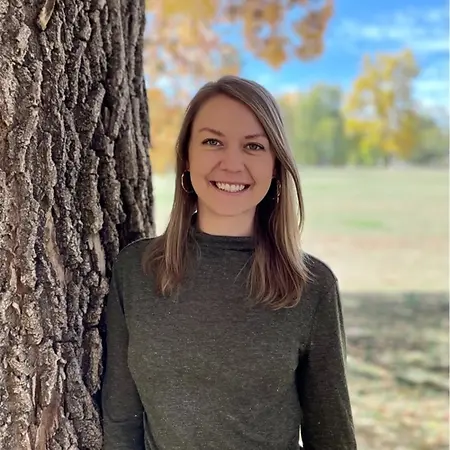
Jasmine Nix, MS, LPC
Mental Health Counselor
Lakewood, CO 80215
Her Story
About Jasmine
Jasmine Nix, MS, LPC, is a licensed professional counselor based in the Denver metropolitan area, known for her compassionate, client-centered approach and dedication to holistic mental health care. With 7 years of experience in the mental health field, including five years as a clinician, Jasmine has worked across a range of settings including inpatient hospitals, school-based programs, and private practice. She currently serves clients through her work with Calm Clarity Therapy, providing both in-person and virtual sessions to individuals navigating a variety of emotional and psychological challenges. Jasmine earned her Master of Science in Clinical Mental Health Counseling from Prescott College, where she specialized in nature-based counseling—an approach that continues to shape her work today. She integrates this foundation with a variety of evidence-based modalities, including Acceptance and Commitment Therapy (ACT), Dialectical Behavior Therapy (DBT), and Cognitive Behavioral Therapy (CBT). Grounded in a humanistic and person-centered framework, she also incorporates parts work, nervous system regulation, and interpersonal neurobiology to support meaningful, individualized healing. Throughout her career, Jasmine has worked extensively with children, adolescents, and families, supporting clients through challenges such as grief, trauma, anxiety, depression, and emotional dysregulation. While she continues to value her work with younger populations, her current focus centers on women experiencing perfectionism, burnout, over-functioning, anxiety, and people-pleasing patterns. She is deeply committed to creating a therapeutic space rooted in presence, safety, and authentic connection—believing that meaningful healing begins with feeling seen, heard, and understood. In addition to her one-on-one clinical work, Jasmine has facilitated nature-based group therapy experiences for tweens and teens, blending mindfulness, creative expression, and DBT-informed skills in outdoor settings. She is passionate about making mental health care both accessible and human, moving beyond rigid clinical models to meet clients where they are. Jasmine Nix is widely respected for her ability to hold space for individuals from all walks of life, offering steady guidance, creativity, and empathy as they navigate their personal journeys toward growth and well-being.
Her Interview
Ten minutes with Jasmine
01What do you attribute your success to?
I attribute my success to practice, which builds confidence, and to having a strong community of other therapists to consult with and share the weight of this work. But most importantly, it comes down to going back to the basics and remembering what actually matters. People really need connection and safety in relationships above any fancy intervention or technique. For me, it's about finding my grounding in presence and being present in pain. When I'm feeling lost or questioning myself, I ground myself in the fundamental truth of what humans actually need from other humans. That presence, that ability to sit with someone in their pain and create a safe relationship, is what has sustained me and made me successful in this field.
02What’s the best career advice you’ve ever received?
One of my mentors told me something that has really stuck with me: the fact that you're asking yourself 'Am I doing enough?' means that you're probably doing enough. If you weren't asking that question, if you didn't care, then that might be a red flag that you needed to care more or weren't doing enough. But the fact that you're nervous, that you're questioning whether you're aligned with your values, means you're paying attention and you're on the right track. This has been grounding for me not just as a therapist, but also as a mom. Whenever I'm asking myself 'Am I a good enough mother? Am I doing enough?' the fact that I care enough to ask that question shows I'm probably doing alright.
03What advice would you give to young women entering your industry?
I would say trust your story and trust your training. You learn all this stuff and get all these interventions, but after a while, you end up just being you across from another human. You settle into your own vibe, your own personality, your own you-ness. In the beginning of your career, you're kind of putting on a mask, trying to feel worthy and prove yourself. But what I've learned is that you need to trust that your presence and your story is really what's going to sustain you over just education alone. That's the deeper part of it. Your own lived experience, your authenticity, and your ability to show up as yourself is what will carry you through this work.
04What are the biggest challenges or opportunities in your field right now?
The biggest challenge in my field right now is the political climate, which is really impacting people and making it hard to navigate as a therapist, as much of what is happening is out of our control. Another major challenge is dealing with insurance companies, which make our jobs a lot harder. They can control what we do and how much therapy a client needs. Many therapists want to be accessible and take insurance, but insurance companies can complicate the process and do not always pay well, forcing many therapists into private pay models. This creates a difficult cycle because then people can't afford therapy. It's especially challenging because mental health counseling is generally not a high paying job. If you work for a community mental health center, the pay is very low, which is why people go to private practice to make more money. But even in private practice, you're still dependent on insurance payouts, which aren't always great. So the challenge of maintaining accessibility without sacrificing our worth is a constant struggle in this field.
05What values are most important to you in your work and personal life?
The values most important to me are fun and playfulness, curiosity, presence, and connection. I can be very playful and try to bring humor into my work, which is important because I don't want to lose sight of enjoying things and not feeling like everything is so serious. As a therapist, everything can be quite serious, so having some joy and fun is essential. Curiosity is a very strong core value for me in the sense that I want to always be learning, but also in how I approach people with curiosity over assumptions, and how I approach conflict with curiosity, asking 'what's going on for this person?' Presence and connection really are what it comes down to. If I'm not present with my client and my mind is somewhere else, then it's pointless, it's just not going to work. I think presence is one of the biggest skills you can have as a therapist, and it's important in my personal life too. I don't want to miss out on life, I don't want to be distracted. I want to be present for all things.
Join Influential Women and start making an impact. Register now.