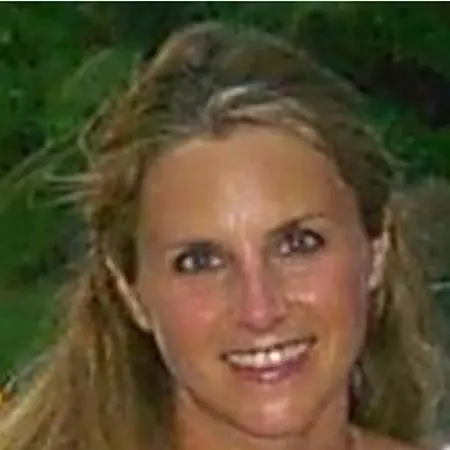
Her Story
About Jen
I started my career about 20 years ago working for a company called Shock as a project manager and then as a business analyst. Through 10 acquisitions over the years, I worked my way through various roles including project management, business analysis, support, operations, and eventually into account management of pharmaceutical implementations. Currently, I'm an account executive at Syndigo, where I've been for about a year, working specifically with their Nutritionix product. Nutritionix is the only GCP-validated (good clinical practices) nutritional database in the world, and my role is to get it into pharmaceutical companies for use in clinical drug trials. The work I do helps pharmaceutical companies understand how nutrition impacts drug efficacy. For example, if you're a vegan eating healthy versus someone drinking beer and eating pizza every day, and you're both on a heart drug, the efficacy might not be the same just based on what you eat. For metabolic diseases, nutrition is really critical. Nutritionix provides real-time food logging that can be used by pharmaceutical companies to do research and improve medications based on nutritional data. I'm passionate about problem solving and innovation, and I've been taking AI courses to figure out where the future is going. I like to stay in the present day and keep learning as I get deeper into my career. What drives me is helping get accurate, validated information into the world instead of unreliable data, which is especially important as pharmaceutical companies don't want to spend billions of dollars and have a failed trial because of something they didn't consider.
Her Interview
Ten minutes with Jen
01What do you attribute your success to?
I'm very interested in problems and I like to problem solve. That's one of my deep desires - doing it through innovation and forward-looking approaches. I've been taking a bunch of AI courses to figure out where the future is going because I like to stay in the present day and keep on learning as I get deeper into my career. What really drives me is helping get accurate information into the world instead of everyone just using ChatGPT for things like how many calories are in an egg. I think providing real, validated data that pharmaceutical companies can rely on is super important right now, because everyone's dipping their toes into AI - some of it's great, some of it's not so great, and some of it's quite scary. Pharmaceutical companies don't like risk and don't want to spend billions of dollars and then have a failed trial because of something little they didn't consider. I've always been interested, ever since I went to Indiana University, in trying to figure out where the friction is, where the gaps are, and how we can innovate and provide better rigor, better data, and better information for everyone.
02What’s the best career advice you’ve ever received?
The best career advice I ever received was 'Don't ask for permission, ask for forgiveness.' That was from an old mentor of mine when I was a little bit shy about going out and talking to people. It taught me to just go get it, because people will support you, and that's the best way to move forward. Another important piece of advice I received was to watch who you trust. I'm a very trusting person by nature, so I've had one bad experience with someone I shouldn't have trusted. The lesson was to watch who you trust - not everyone is as kind as you are.
03What advice would you give to young women entering your industry?
I would say to not be afraid. It's a male-dominated industry, but there's a lot of rising females that are coming up, and I'd tell them to just go out there and do their best and not get intimidated. Just keep on trying. Having a lot of grit helps you get through the software data world in 2025.
04What are the biggest challenges or opportunities in your field right now?
The biggest challenge is knowledge - there's so much information out there that no one knows quite what to believe. That's why I feel so great about Nutritionix, because it is validated data that we know is accurate. People just don't know what they're doing and need to be educated on how to provide an ecosystem of data for every clinical aspect. When you think about a clinical trial, you're talking about enrolling people, getting them to take their medication, reporting how many times a day they're doing that, reporting their nutrition, reporting how they feel, scheduling appointments - that is an entire ecosystem of data that pharmaceutical companies spend billions of dollars on. A lot of times these trials fail and don't even get to market. The knowledge gap is in understanding how much of this they can consolidate by having just a nutrition component to their clinical studies. Right now, everyone's dipping their toes into AI - some of it's great, some of it's not so great, and some of it's quite scary. But pharmaceutical companies do not like risk and don't want to spend billions of dollars and then have a failed trial because of something little they didn't consider.
05What values are most important to you in your work and personal life?
The values most important to me are integrity, honesty, and trustworthiness. And just kindness overall in this day and age - just be kind. I have a sweatshirt that says 'the person behind me is better' - the world is a better place with you in this world. That's something I really believe in.
Join Influential Women and start making an impact. Register now.