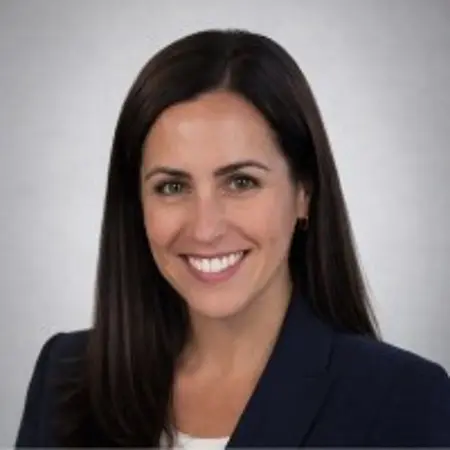
Her Story
About Jenelle
I always wanted to do something within the medical field, though I was unsure exactly what. Out of college, I fell into a sales role and truly enjoyed working with people and helping them. In my early 20s, I started working for 3M in the dental division, covering Maine, New Hampshire, and part of North Shore Massachusetts. After about 7 years with 3M, where I had significant career and personal growth, I was looking for something more, a little more gratification within my job. A friend in the genetics industry told me how much she loved it, and when a role opened at Ambry Genetics, I interviewed and got it. I didn't know how much I was going to love it before I got into it, but I became so passionate about hereditary cancer testing and rare disease work. We were able to give patients answers they wouldn't have without our testing, sometimes giving them the ability to prevent cancer in themselves and their family members, get screening covered by insurance, catch cancer early, or simply have so much more information than they would have had prior. After 2 years with Ambry, I moved to Myriad where I have a larger role covering prenatal screening, hereditary cancer testing, and oncology somatic testing for late-stage cancer patients to determine clinical trial eligibility and treatment options. What I love most is being able to set up genetics programs in rural health systems throughout northern New England that wouldn't have had these resources before, training providers and nurse practitioners to manage these programs, and watching them flourish. It's incredibly gratifying to see something come to fruition that you helped start and build.
Her Interview
Ten minutes with Jenelle
01What do you attribute your success to?
There are a lot of different things that drive me. Starting out, I was naturally driven toward career growth. As I've gotten older, a lot of it is seeing patient stories. Very recently, we lost my father to thyroid cancer, and it was a traumatic experience. We felt lost when it came to navigating his care and getting him fast treatment. Ever since then, I've wanted to make things easier and more comfortable on patients, but also bring treatment options and service options to a state like Maine where we don't have all of this stuff. My sister's a nurse, and me being in the industry and even working with medical oncologists at the time that he was sick, it was an awful experience of feeling like things were slow. Is he getting the right care? Are we doing the right thing? Is this the right treatment? What else is out there? The world of oncology is changing drastically. Cancer prevention is something that I feel extremely passionate about, and I think that's what drives me most of the time. I really love setting up these prevention programs. But on the flip side, when these patients do have cancer, giving them better treatment and better testing is also extremely important. My children drive me, being able to provide a good life for them. I'm very competitive, kind of naturally, so that drives me as well. But having better options here in Maine in services, I think, is also a big driver.
02What advice would you give to young women entering your industry?
A lot of times, I feel like you need to follow your heart. Find something and find a career that you're passionate about, that you get gratification from. Maybe it could be different for everybody, but having gratification and feeling like I'm helping people at the end of every day is what keeps me going and makes me realize I've done my job. There's so much more to do out there, but you can find your passion. I think that's huge. Standing up for yourself, I think, is also really important in doing the right thing, whether it's for yourself or for somebody else. I think that's huge as well. But find your passion, have it... if you can have something, do a job that brings you gratification, then I feel like you're gonna live a happy life, you're gonna love what you do, and it's not gonna always feel like work.
03What are the biggest challenges or opportunities in your field right now?
I would say insurance has gotten better over the years, but Medicare is honestly a big challenge. They don't always cover testing unless the patient has certain criteria. Providers are so busy, I feel awful because primary care providers are the ones who should be doing hereditary cancer testing and having patient identification programs. But sometimes you'll see a healthcare system kind of point fingers, with everyone saying no, someone else should be doing it. If a patient is not identified downstream in OBGYN or primary care, they're not going to get identified, most likely, until they have cancer, if that's the path they're heading to. I wish our healthcare systems and providers had more time to do this. Yes, we have great resources to try and help with that, but sometimes I feel like that's really the biggest burden. When I walk into a clinic and say I can make this as easy as possible for you, they look at me like I have three heads, saying they do not have a spare second in their day. When they see a patient, especially in primary care, they're talking about diabetes and all their current problems. They don't have time to talk about prevention, and that makes me so sad. We need to do better with prevention.
Join Influential Women and start making an impact. Register now.