Influential Woman · Coaching, Education, and Family Support
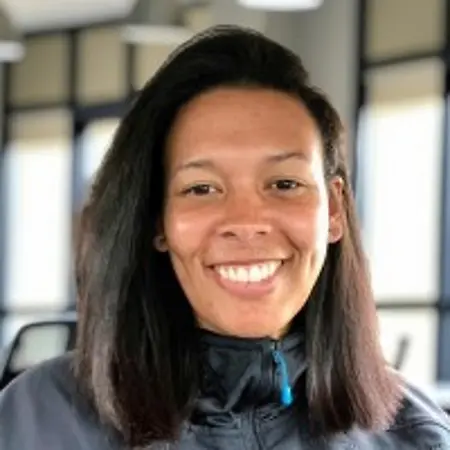
Jenna Green, M.A.
Executive Function Specialist, College Success Coaching, and Parent Coaching, Align to Thrive Coaching
Henderson, NV 89011
Her Story
About Jenna
Jenna Green is the founder of Align To Thrive Coaching, where she provides neuro-inclusive parent coaching and executive-function support for college students. With more than 15 years of experience supporting families, students, and neurodivergent individuals, Jenna has built a coaching practice centered on practical strategies, compassionate support, and sustainable growth. Her coaching focuses on helping parents create calmer, more connected homes, while helping students strengthen the skills and habits needed for long-term success in college and beyond. Jenna’s professional journey began in athletics, first as a college basketball player and later as a professional player in Spain. While pursuing her master’s degree in Education at UC Santa Barbara, she discovered a passion for working directly with children, families and college students. After returning from professional basketball, she transitioned into home-based family support, and student success coaching, where she found that her educational background, coaching mindset, and ability to connect with people could make a meaningful difference. Over time, she developed the expertise to be a professional coach, providing personalized, supportive paths forward for both parents and students, by helping them develop the practical skills and supportive systems that address their everyday challenges. Today, Jenna’s coaching philosophy is rooted in a neuro-inclusive, trauma-informed, and whole-person approach. She works closely with parents to create personalized strategies that reflect each family’s unique needs, strengths, and capacity, while also helping college students navigate The academic and organizational demands of college life, and build stronger executive-function skills such as time management, planning, organization, and self-advocacy. Through her work, Jenna is committed to helping people feel understood, supported, and empowered to create lasting change in their lives.
Her Interview
Ten minutes with Jenna
01What do you attribute your success to?
I think there's definitely a huge translation from my athletic background into what I do now. As an athlete and as a coach, you always say trust the process and trust your work. When you get into a game, you're not having to think about what you're going to do because at that point it's all muscle memory. You trust your work, you put in all the hours, trust all the weight room hours, trust all the conversations that you've had with your team, and you get in the game and you just play. It's really translated well for me as an entrepreneur and as a coach, which is you never know when it's going to be perfect, so just jump in, take the next step and trust the work that you've put in up to this point. I'm a huge supporter of athletics and sports for youth and young adults because there is so much that is translatable into real life. It can be really, really powerful, and building those habits young is really critical for more positive outcomes. My biggest strength, as well as something I deeply value, is empathy, really meeting my clients where they are and having great perspective taking and being attuned, authentic, and just compassionate in that space. Inclusion is an incredibly important piece for me in all aspects, neuro-inclusive specificity, cultural inclusivity, all the things, and really ensuring that everyone feels valued. I also take a very holistic and whole person-centered approach, recognizing that when we take a whole-person approach, it really honors the full experience of that individual and how everything is interconnected. From a coaching standpoint, I focus on practical support, really focusing on what is practical and reasonable for the individual at that time, given what resources they have internally, externally, what capacity they have, again meeting that person really where they are and providing compassionate and practical support along with empowerment. The formal training as a Certified Executive Function Coach, Certified Trauma Support Specialist, Student & ADHD Coach Training, and PCI Certified Parent Coach has been very important as well to ensure I am providing up to date, evidence based coaching.
02What’s the best career advice you’ve ever received?
I think the best career advice is to just jump in and do it. I think there's a lot of fear, especially as an entrepreneur and working in spaces that are non-traditional, that can prevent you from the next thing, the next step. So I think it's really just having that courage to take the next step, even when you can't see what that is going to be, and really trusting yourself, trusting in your experience. As an athlete, when I was competing and also when I coached, you always say trust the process and trust your work. When you get into a game, you're not having to think about what you're going to do because at that point it's all muscle memory, you trust your work. You put in all the hours, trust all the weight room hours, trust all the conversations that you've had with your team, and you get in the game and you just play and you trust the work. So I think it's really translated well for me as an entrepreneur and as a coach, which is it's never going to be perfect, so just jump in, take the next step and trust the work that you've put in up to this point.
03What advice would you give to young women entering your industry?
I think the first step is really getting clear on your strengths and your values and what you're passionate about. Because I believe when we are very clear on those things, we will thrive in whatever we do. I think when we are not in alignment with our strengths, our values, and honoring who we are authentically, there's a very high risk of burnout and just unfulfillment. So really just getting clarity and ensuring that the route they're exploring is the route for them based on those things. And then making sure they have the right foundation in terms of whatever they would need, so the right education or resources. I think mentorship is just really, really powerful, and it's part of why I became a coach. So ensuring that they have a mentor who is at least a step ahead of them, who can really help guide that way for them and really pour into them. I've been very fortunate, I've had so many amazing women pour into me. Finding that right community and the right mentorship can be incredibly powerful. And then, like I said earlier, trust in those things, trust in what got you here, and just have that courage to keep taking the next step forward on your path, knowing it's not going to be exactly like someone else's. But we can borrow frameworks and mirror off of what other successful people have done while adapting to our own true selves and our own true paths.
04What are the biggest challenges or opportunities in your field right now?
Quite honestly, I'd say that what I'm experiencing, what I'm seeing, is that coaching, especially around neurodivergence and coaching within executive functioning, is actually a pretty awesome place because research is really starting to come along and coaching is really starting to be more recognized as a valuable resource. So I think the biggest challenge is just in general getting that awareness out there and for individuals to really understand how coaching can help, because it's different than therapy, it's different than tutoring, it's different than these other avenues, and it often is hard to communicate and clarify how they differ. I think that's just a challenge within my specific niche of coaching, and I would think many life coaches have that similar challenge of really helping people understand the value and the difference from traditional models of support.
05What values are most important to you in your work and personal life?
I would say my biggest strength, as well as something I deeply value, is empathy, and so really meeting my clients where they are, meeting people as they are, being attuned, authentic, and just compassionate in that space. I think inclusion is an incredibly important piece for me in all aspects of it, neuro-inclusive specificity, cultural inclusivity, all the things, and really ensuring that everyone feels valued and understands that they are important. And then a very holistic, strength based and whole person-centered approach. I think oftentimes it's easy to be so focused on addressing "the problem" rather that we forget to coach the person, and recognizing that when we take a whole-person approach, it really honors the full experience of that individual and how everything is interconnected for them. It's usually very rarely an isolated incident, so really taking that into account. And then from a coaching standpoint, I'd say practical support, really focusing on what is practical and reasonable for the individual at that time, given what resources they have internally, externally, what capacity they have, again meeting that person really where they are and providing compassionate and practical support along with just being empowerment focused.
Join Influential Women and start making an impact. Register now.