Her Story
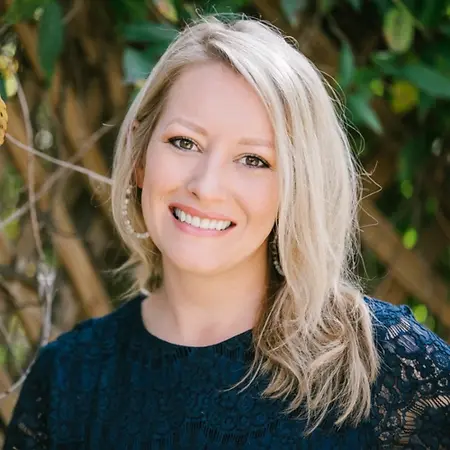
About Jennifer
I work in patent litigation at DLA Piper, where I've been for one year. My group works to support our clients from the defensive side, trying to protect them and figure out who had the idea first - was it your client or ours? Where did it start? We help our partners narrow that down and keep communication going. There's a lot of research that goes into it, looking for prior art, reading through different sources for articles that may have been published 5 years ago, 10 years ago, maybe longer in some situations. I also help keep everyone organized - keep them in line. My experience as a business owner helped translate in that way, where I am able to help keep everybody more organized in their files and their documents, and what's going on, and remind them of different things that are coming up. Before DLA Piper, I started at AMD in 2022 on their intellectual property patents team, where I worked on prosecution, offensive and defensive licensing. I left AMD when my former boss Kevin O'Neill, the Vice President of Intellectual Property and Licensing, retired. Prior to my legal career, I was self-employed as a photographer for 12 years, which gave me a deep understanding of intellectual property, copyrights, and things like that. I photographed over 500 weddings in my career, as well as large galas and live events.
Her Interview
Ten minutes with Jennifer
01What do you attribute your success to?
I think a huge part of my success comes from having self-faith and self-trust that I was making the right move. It's really easy sometimes to listen to other people so much that you forget to follow your own path. I can't tell you how many people looked at me crazy when I said, after 12 years of owning my own business, that I was going to go back into a corporate setting, and then when I said I was leaving corporate to go to a law firm - not even a small one, but a global one. The number of eyebrow raises was far and wide, but it's been the biggest blessing. I'm so grateful for the support that I had, the encouragement that I had, and quite frankly, just the self-faith and the self-trust that I had. Having a good mentor who is going to help guide you, but without telling you what to do, still allowing you to make your own decisions and direct you through them - that helps you find your path, and I think that's also really huge.
02What advice would you give to young women entering your industry?
I think the hardest thing for me to learn, moving from being an entrepreneur into a corporate setting and then into the litigation setting, is that litigators are a personality type of their own. They have to be very abrasive when they're dealing with suits and interacting with the other side, and they can often have trouble turning that off. Being able to understand upfront that they just are very detail-oriented, that that abrasiveness is not anything to take personally - it's just they want you to get in and get it done, and have it done right. There's not the pat on the back or hand-holding that when you're newer and first starting out, you kind of look for. Understanding what imposter syndrome is, how it can impact you, and taking the steps up front to mitigate against that is so important. Make sure that you're not falling victim to imposter syndrome simply because you're not getting the response that you think you should get from the people around you in a corporate or law firm setting. I dealt with a lot of imposter syndrome, and just knowing to expect that could be the case for you, and not take it personally if you're not getting the exact feedback that you're looking for all the time.
03What values are most important to you in your work and personal life?
The work-life balance was really important to me in making my career transition. As a photographer, I was working when all of my friends and family were out on big life events, and I missed out on so much because I was working weekends and evenings when everyone else had time off. Being able to have that more normal schedule is something that I wanted enough that it made the change really worthwhile for me. Now I'm able to take the creative skills that I built while building my business and use them in my personal life while still focusing on protecting intellectual property. It's about being a human and not allowing the negativity that you can sometimes be surrounded by in the world of litigation to impact your personal life or your personal views, even just in your day-to-day while in office.
Join Influential Women and start making an impact. Register now.