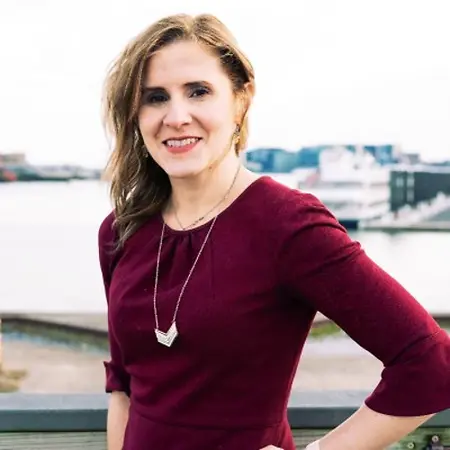
Her Story
About Jennifer
Dr. Jennifer Gatchel, MD, PhD, is an Assistant Professor of Psychiatry at Harvard Medical School and a physician-scientist specializing in geriatric psychiatry and neuroscience research. Since beginning her medical career in 2009, she has combined clinical practice with research at the intersection of psychiatry and neurology, focusing on aging, neurodegenerative diseases, and the relationship between depression and dementia risk. Her work has contributed to a greater understanding of behavioral and psychiatric symptoms associated with Alzheimer's disease and related dementias, and she has led National Institutes of Health (NIH)-funded research while publishing and presenting her findings nationally.
Dr. Gatchel earned both her Doctor of Medicine (MD) and Doctor of Philosophy (PhD) in Medicine and Neuroscience from Baylor College of Medicine before completing her psychiatry residency and geriatric psychiatry fellowship through Massachusetts General Hospital, McLean Hospital, Brigham and Women's Hospital, and Harvard Medical School. Her academic career has been dedicated to advancing research in neurodegenerative disorders, clinical psychiatry, and neuroscience while mentoring future clinicians and investigators. In addition to her research, she regularly contributes to scientific conferences, multidisciplinary collaborations, and scholarly publications focused on Alzheimer's disease, dementia, and brain health.
Throughout her career, Dr. Gatchel has credited her success to exceptional mentors who modeled resilience, professionalism, and a growth mindset. She believes that meaningful progress comes from taking initiative, completing important work, and continually participating rather than striving for perfection. Passionate about supporting the next generation of physicians and researchers, she encourages young professionals—particularly women—to cultivate strong mentorship and sponsorship relationships that provide guidance, advocacy, and opportunities for long-term career growth. Her commitment to scientific discovery, patient care, and academic leadership continues to advance the understanding of brain health and aging.
Her Interview
Ten minutes with Jennifer
01What do you attribute your success to?
I attribute much of my success to the privilege of learning from outstanding women mentors who were leaders in my field at a time when there were fewer women in those roles. They demonstrated what it meant to be a professional with a growth mindset while modeling perseverance, resilience, and determination. Watching their tenacity inspired me to develop those same qualities throughout my own career.
02What’s the best career advice you’ve ever received?
One of the most valuable lessons I have learned is to focus on completing meaningful work rather than striving for unattainable perfection. Progress comes from showing up, contributing, and putting yourself forward instead of remaining on the sidelines. Consistent action and participation ultimately create opportunities for growth and success.
03What advice would you give to young women entering your industry?
I encourage young women to seek out both male and female mentors who actively support and advocate for women. Establish mentorship and sponsorship relationships early in your career with people who will champion your work, create opportunities for you, and advocate on your behalf—even when you are not present. Those relationships can have a lasting impact on your professional development.
04What are the biggest challenges or opportunities in your field right now?
One of the greatest opportunities in my field is advancing our understanding of the complex relationship between mental health, aging, depression, and neurodegenerative diseases such as Alzheimer's disease. Expanding this knowledge has the potential to improve early identification, intervention, and treatment for individuals who may be at risk. At the same time, many women in medicine and STEM continue to face the challenge of balancing demanding careers with caregiving responsibilities, family commitments, and their own well-being. I believe that continued mentorship, sponsorship, scientific innovation, and a greater emphasis on wellness will help create an environment where women are not only encouraged to enter these fields, but are also supported in building long, fulfilling careers and thriving as leaders.
05What values are most important to you in your work and personal life?
The values that guide both my professional and personal life are compassion, curiosity, perseverance, mentorship, service, and community. I am committed to using science and research to improve the lives of others while continuing to learn and grow throughout my career. I also believe it is essential to be intentional about personal wellness and to recognize when saying "no" is necessary to protect the time and energy required for the people, responsibilities, and work that matter most. Whether through research, education, patient care, mentorship, or volunteer service, my goal is to continue learning, making meaningful contributions, and using what I discover to help others live healthier, more meaningful lives.
Join Influential Women and start making an impact. Register now.