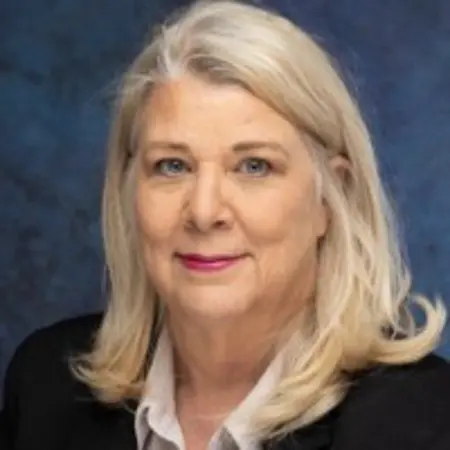
Her Story
About Jennifer
Jennifer Steshyn began her career in medicine in 1984 and transitioned into medical research in 2012. After raising her children, she returned to school later in life to complete her bachelor's degree and then earned a master's degree in bioethics and medical humanities. She started at the University of Florida in orthopedics before moving into epidemiology and ultimately finding her place in neurology, where she has focused on ALS research for nearly a decade. Steshyn attributes her success to her own tenacity and desire for purpose and independence, having pursued education to set an example for her children and ensure she could support herself. She values honesty, integrity, and accountability in her work and advises newcomers to the field to persevere through the challenging first year of regulatory paperwork, seek mentors, and network with experienced coordinators. In her role, she emphasizes strict pre-screening to manage patient expectations and finds reward in providing hope to those facing devastating diseases like ALS, while learning to compartmentalize her own emotions.
Her Interview
Ten minutes with Jennifer
01What do you attribute your success to?
My own tenacity of wanting to feel a sense of success and have purpose in my life. I went back to school late in life after raising kids to set a good example and to ensure I could take care of myself without depending on anyone else, especially after seeing my parents' difficult relationship.
02What advice would you give to young women entering your industry?
The first year is very difficult with lots of regulatory paperwork and forms, but stick with it because after the first year everything starts to click and by the end of year two it becomes smooth sailing. Find a mentor and network with other coordinators who have been doing this a long time.
03What are the biggest challenges or opportunities in your field right now?
The challenges are emotionally overwhelming depending on the disease, requiring compartmentalization of emotions while helping patients and families deal with theirs, especially in ALS where caretaking is huge. The reward and opportunity is providing hope to patients.
04What values are most important to you in your work and personal life?
Honesty and integrity. Accountability. We all make mistakes, admit you made the mistake, fix it, and do your best not to make that same mistake again.
Join Influential Women and start making an impact. Register now.