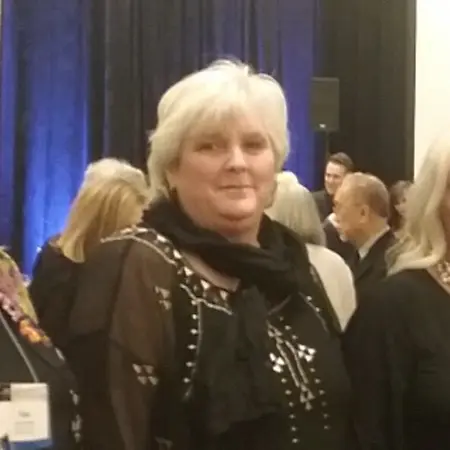
Her Story
About Jerri
Jerri Whitman is a portrait artist and art activist whose work focuses on highlighting the overlooked contributions of women in state government. Through Jerry Whitman Studio, I create painted portraits that bring visibility to women elected to public office, with the goal of correcting long-standing historical gaps in capitol portrait collections. My work has resulted in more than 52 completed portraits, which are also featured in a published PDF book documenting the project and the stories of these women.
My journey as an artist began in landscape painting, primarily working in pastels, before I gradually shifted into portraiture around 2016. I deepened my practice through workshops, mentorships, and participation in Portrait Society of America conventions, where I studied alongside other portrait artists. Over time, portraiture became the core of my artistic identity, eventually leading me to launch my current project three years ago after discovering how few women were represented on the walls of the Maine State Capitol despite hundreds having served in the legislature.
The inspiration for my work came from a personal experience taking my granddaughter to the Capitol and realizing that only one woman was represented among hundreds of portraits. That moment led me to research women legislators and begin painting their portraits to restore their presence in public memory. Today, my work is both artistic and educational, combining history, advocacy, and visual storytelling, with the belief that greater representation of women in government strengthens democracy and protects rights for future generations.
Her Interview
Ten minutes with Jerri
01What do you attribute your success to?
Hard work! Being persistent. Not quitting. I tell everybody, when they start a project like this, because we have a group that on Mondays through Zoom, and we all paint together, and some of them want to do similar projects for dancers or other subjects. And I tell them, once you start a project like this, it is a lonely, lonely road, because the phone doesn't ring like you think it will. But don't quit.
02What advice would you give to young women entering your industry?
Don't give up. Don't forget who you are. Value yourself. Value yourself at what you should be valued. Don't listen to what people put the value on you. You value yourself. And, you know, just because the phone's not ringing, or people are not understanding you, if you're doing something worthwhile, then a lot of people are not gonna understand you until much, much later. You know, so just keep going. Keep going. And don't let people tell you that you're following the wrong path. Keep going.
03What are the biggest challenges or opportunities in your field right now?
One of the biggest challenges I see is that equality in the arts is still not fully there. Even though women are making progress, I think it's still a male-dominated field. I so often hear women say things like, 'Oh, I could never charge that,' especially when I know people who are married or working in the same field on both sides of that conversation. I think it's about equality. Why can't women charge the same rates as men? That's the real challenge we're facing.
04What values are most important to you in your work and personal life?
Equality! I would have to say equality. I mean, you know, everybody being treated the same regardless. People often misunderstand what feminism means. When I ask people, 'Are you a feminist?' they think it's just about women, but it's not. A feminist believes in equality for everyone, not just women. Everyone, everywhere, should be treated equal, regardless of their sex or race. Everyone across the board. It's about everybody being treated the same, and I think that's so important.
Join Influential Women and start making an impact. Register now.