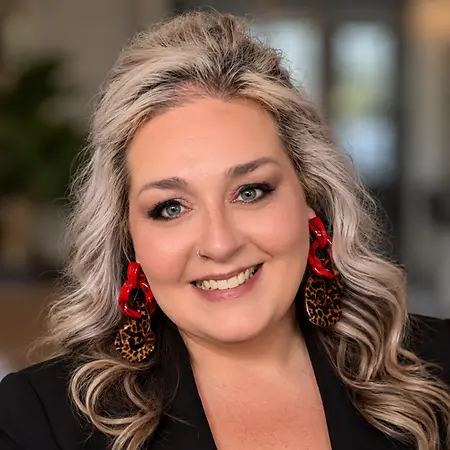
Her Story
About Jessica
Jessica Nall is the Executive Director / CEO of Partnership for a Drug-Free Community, a nonprofit organization dedicated to substance use prevention, treatment, recovery support, and community education throughout Alabama. With more than 15 years of experience in the behavioral health field, Jessica began her career as a therapist before transitioning into organizational leadership. Her clinical foundation and firsthand understanding of addiction have shaped a compassionate, community-centered approach to addressing substance use and supporting individuals and families on their path to recovery.
As Executive Director and CEO, Jessica provides strategic leadership for programs that include substance use assessments, treatment referrals, recovery support, case management, peer services, prevention education, youth programming, and community outreach. She works collaboratively with courts across North Alabama, the Department of Human Resources, schools, treatment providers, and community organizations to strengthen access to care, support family reunification, and promote successful recovery and reentry. Jessica also leads fundraising and community engagement initiatives that help sustain free services and bring community partners together around prevention, recovery, and healthier communities.
Jessica holds a Master of Science in Clinical Psychology from Walden University and is committed to leading with faith, humility, kindness, and service. As a first-generation graduate, she understands the value of perseverance, education, and continuous growth, while her personal experiences have further strengthened her empathy for those navigating addiction and recovery. Jessica encourages emerging professionals, particularly young women, to discover their purpose, remain humble and willing to learn, and lead with strength, grace, compassion, and a commitment to making a meaningful difference in the lives of others.
Her Interview
Ten minutes with Jessica
01What do you attribute your success to?
I attribute my success to faith, purpose, resilience, and a willingness to embrace the path life presents. My career evolved organically from therapy into executive leadership, and I have remained committed to learning, serving others, and growing through every opportunity. The strength and resilience of my mother and grandmother shaped my understanding of courage, while my education, relationships, persistence, and genuine care for people have strengthened my leadership. I believe effectiveness matters, but how you achieve results matters just as much, which is why I strive to lead with humility, empathy, kindness, and a commitment to helping others become stronger and discover their own potential.
02What’s the best career advice you’ve ever received?
The best career advice I’ve received is to stay grounded in who I am while remaining open to learning. Leadership isn’t about having every answer; it’s about listening, considering different perspectives, and staying connected to my purpose. I’ve learned to let my work, relationships, and results speak for themselves and to view criticism or challenges as opportunities to grow. I also believe in leaning into my faith, asking for help when needed, and continuing to become the person I’m called to be. Growth is a lifelong journey, not a destination.
03What advice would you give to young women entering your industry?
My advice to young women entering this industry is to find your why, stay humble, and remain willing to learn. You can be a strong, independent woman while still leading with humility, kindness, and grace. Let your purpose guide you, continue growing, and never underestimate the impact of how you treat others.
04What are the biggest challenges or opportunities in your field right now?
The biggest opportunities in my field are in prevention, education, and early intervention, especially among young people facing substance use, vaping, and other emerging challenges. At the same time, we must continue addressing addiction with compassion while ensuring individuals and families have access to quality, evidence-based treatment and long-term recovery support. I see these challenges as opportunities to listen, innovate, collaborate, and build stronger communities together.
05What values are most important to you in your work and personal life?
The values most important to me are faith, humility, kindness, family, and service. I believe in treating everyone with dignity and compassion, creating opportunities for others to grow, and strengthening communities where young people can thrive. Above all, I lead with hope and believe that with the right support, education, collaboration, and perseverance, individuals and families can overcome challenges and build healthier futures.
Join Influential Women and start making an impact. Register now.