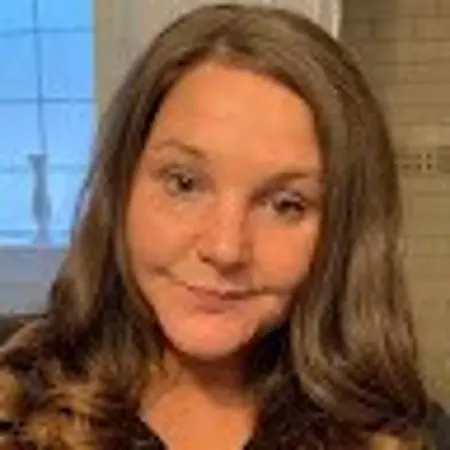
Her Story
About Julia
Julia Gibbs serves as an early intervention evaluator, a role she has held for three years following two decades as a classroom teacher. In her current position, she assesses children from four weeks old through age five in their homes to identify developmental disabilities and connect families with speech, physical, and occupational therapy services. A significant portion of her work involves children born with neonatal abstinence syndrome, a focus shaped by her doctoral dissertation on its effects on future learning and development. Gibbs holds an undergraduate degree and a master's in reading from East Tennessee State University, where she also earned her reading specialist certification. She completed an educational specialist degree with an administrative endorsement at Lincoln Memorial University and a PhD in education at Carson-Newman University. She is currently pursuing a doctorate in psychology at Capella University. Her transition to early intervention followed a severe case of COVID-19 in 2021 that required a tracheostomy and ended her classroom teaching career. Gibbs attributes her expertise to years of observing developmental patterns in her classroom that led her to research drug exposure in children. She aspires to leadership and research roles focused on neurological development for affected children.
Her Interview
Ten minutes with Julia
01What do you attribute your success to?
I attribute my success to my background experience in the classroom with children who had developmental issues. Back when I first started teaching these things weren't diagnosed but I was dealing with them. Over time I saw repeated patterns and figured out these children were exposed to drugs which got me interested in research to make a difference.
02What advice would you give to young women entering your industry?
Learn to not take everything to heart so much. There's so many side situations and if you bring them all home with you in your mind and your heart you just won't last long in this industry. Go into it knowing you're doing the best you can while you're there and kind of leave it at that point.
03What are the biggest challenges or opportunities in your field right now?
The biggest challenge is the number of children needing services and foster parents and the lack of resources. The system is overwhelmed. The opportunity is seeing the difference that therapies and resources make in children's development when you reassess them later.
Join Influential Women and start making an impact. Register now.