Explore how compassion and resilience transform nursing leadership, inspiring healthcare professionals to lead with heart, build stronger teams, and sustain purpose amid constant change and challenge.
Her Story
About Julie
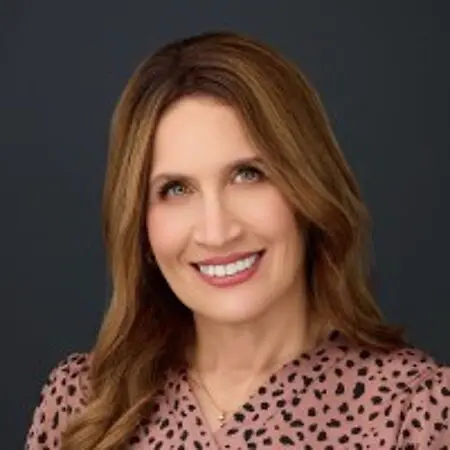
Dr. Julie C. is an accomplished healthcare consultant and change agent with more than 30 years of experience guiding hospitals and healthcare organizations toward operational excellence. As the founder of J. Carson LLC, she has served in numerous interim leadership roles across the nation—helping facilities enhance clinical outcomes, improve fiscal management, and strengthen administrative systems. Her work reflects a deep commitment to balancing operational efficiency with compassionate, patient-centered care. With a Doctorate in Business Administration (DBA) in Healthcare Administration from California Intercontinental University and a Master’s in Healthcare Management from Bellevue University, Dr. Julie brings both academic depth and hands-on expertise to her consulting practice. She has held key positions such as Interim Director of Acute Care, Cath Lab, and Med-Surg at various leading healthcare systems, where she’s known for her ability to streamline processes, mentor leaders, and build cohesive teams. Certified as a Legal Nurse Consultant and Lean Six Sigma Black Belt, she is dedicated to improving healthcare quality through data-driven leadership and continuous process improvement. A visionary professional, Dr. Julie is passionate about developing leadership potential in others while advancing organizational growth. She believes in “never forgetting the human side of the equation” — a philosophy that guides her every decision and leadership approach. Through her work, teaching, and consulting, she continues to shape a more effective, empathetic, and sustainable future for healthcare administration.
Her Interview
Ten minutes with Julie
01What do you attribute your success to?
I attribute my success as a nurse leader to a combination of strong clinical knowledge, emotional intelligence, and a genuine commitment to my team and patients. I strive to lead with empathy and integrity, creating an environment where staff feel supported, valued, and empowered to provide the highest quality of care.
My ability to communicate effectively and build trusting relationships has helped me guide my team through challenges and change. I also believe in leading by example — maintaining professionalism, accountability, and a focus on continuous improvement.
Ultimately, my success comes from keeping patients at the center of every decision while fostering collaboration and growth among the nursing team.
02What’s the best career advice you’ve ever received?
The best career advice I’ve ever received was to always stay true to your purpose and your values, no matter where your career takes you. Early in my journey, a mentor reminded me that nursing leadership isn’t about authority or titles — it’s about service, compassion, and the example you set for others.
That advice has stayed with me throughout my career. It reminds me to lead with empathy, to listen before I speak, and to treat every team member with respect. It’s also taught me the importance of continual growth — to stay curious, keep learning, and never lose sight of why I became a nurse in the first place: to make a difference in people’s lives.
Whenever challenges arise, I go back to that advice. It grounds me, helps me make ethical and patient-centered decisions, and strengthens my commitment to being the kind of leader who inspires others to do their best work.
03What advice would you give to young women entering your industry?
If I could offer advice to young people entering the healthcare industry, I would first tell them to never lose sight of their purpose. Healthcare is more than a profession — it’s a calling rooted in compassion, service, and human connection. There will be days that test your patience and strength, but those are often the moments that remind you why you chose this path in the first place.
I would encourage them to approach every experience as a learning opportunity. Every patient, colleague, and challenge will teach you something valuable about resilience, empathy, and teamwork. Don’t be afraid to ask questions, seek feedback, or lean on others for support — growth in healthcare is a shared journey.
I’d also remind them that while caring for others is at the heart of what we do, caring for yourself is equally important. Maintaining balance, setting boundaries, and prioritizing self-care are not signs of weakness but of wisdom. A healthy, grounded caregiver provides better care.
Most importantly, I would tell them to lead with kindness and integrity in everything they do. Skills can be taught, but compassion and respect are what truly define a healthcare professional. The impact you make will often come not from what you do, but from how you make people feel — and that is where the true meaning of healthcare lies. My advice to young women entering this industry is to never lose your confidence—believe in yourself and keep moving forward no matter what challenges you face.
04What are the biggest challenges or opportunities in your field right now?
Top 5 Challenges for Nurse Leaders
1. Workforce Recruitment, Retention & Burnout
According to the American Organization for Nursing Leadership (AONL) 2025 insight study: 49% of organizations cite staff recruitment and retention as their top challenge; 37% cite staffing levels, and 34% cite emotional health/well-being of staff.
AONL
+2
shiftmed.com
+2
Why it matters: Without enough skilled nurses and with high levels of burnout, patient care quality and safety are at risk.
Strategic ideas:
Offer flexible scheduling, part-time, job-sharing options.
shiftmed.com
+1
Invest in mentorship and well-being programs (counseling, resilience training).
Develop strong retention strategies (career pathways, professional development).
2. Technology Adoption, Digital Transformation & Change Management
Leaders must manage adoption of increasing technologies (AI, remote monitoring, EHR interoperability) while addressing staff resistance and skill gaps.
ForTheNurse.us
+2
AONL
+2
Why it matters: Technology has great potential but can backfire if implemented without proper support — leading to workflow disruption, staff frustration.
Strategic ideas:
Conduct digital-competency assessments for nurse teams.
AONL
Engage frontline staff in tech selection & workflow redesign.
Provide training, ongoing support and feedback loops.
3. Changing Care Models & Patient Acuity
With aging populations, increased chronic illness, and shifts toward outpatient/home/community care, nurse leaders must lead through evolving care delivery.
leadership.journalacademy.in
+1
Why it matters: Traditional hospital-centric models are under pressure; nurses must adapt to more decentralized, team-based, home-based models.
Strategic ideas:
Develop skills in coordinating virtual care, home monitoring.
Redesign workflows to support hybrid/virtual care + in-person.
Collaborate with interdisciplinary teams to manage higher acuity patients outside hospitals.
4. Health Equity, Social Determinants & Diversity
Nurse leaders increasingly must incorporate social determinants of health (SDOH), cultural competence and equity into care models.
Nursing Papers
+1
Why it matters: Addressing SDOH and equity isn’t optional — it’s foundational to safe, quality care and reduces disparities.
Strategic ideas:
Implement screening for SDOH in nursing assessments.
Partner with community organizations to close access gaps.
Promote cultural diversity, equity and inclusion in teams and leadership.
5. Financial and Operational Pressures
Healthcare organizations face tight margins, rising labor/supply costs, and pressure to deliver more value for less. Nurse leaders must contribute to operational efficiency while maintaining quality.
B.E. Smith
Why it matters: Nursing is major cost center, but also key to delivering value (patient outcomes, experience). Misalignment can lead to budget cuts, staff reductions, morale issues.
Strategic ideas:
Use data to track nursing-unit metrics (length of stay, readmissions, staffing variance).
Engage nurses in process improvement and waste reduction.
Align nursing initiatives with organizational value-based care strategies.
🌟 Top 5 Opportunities for Nurse Leaders
1. Technology & Data-Driven Care
Advances in AI, predictive analytics, remote monitoring, virtual nursing offer major opportunities.
Nursing Papers
+1
Why it matters: These tools can empower nurses, improve outcomes, reduce administrative burden.
Strategic ideas:
Lead pilot projects for predictive analytics (e.g., fall risk, readmissions).
Develop roles in virtual nursing/remote monitoring.
Use dashboards to inform nursing leadership decisions.
2. New Care Delivery Models (Telehealth, Home & Community)
Virtual care and hybrid models are growing; nurse leaders can shape these.
hcthealthcare.com
+1
Why it matters: These models can expand access, improve flexibility, often at lower cost.
Strategic ideas:
Build competencies in tele‐nursing, remote patient management.
Partner with ambulatory/home health to create seamless transitions.
Design protocols for virtual triage and follow-up care.
3. Leadership Development & Succession Planning
With nursing leadership gaps increasing, there’s opportunity to build pipelines.
leadership.journalacademy.in
+1
Why it matters: Strong nurse leaders are critical to strategy execution and transformation.
Strategic ideas:
Create mentorship programs for emerging nurse leaders.
Offer education in finance, strategy, policy for nurse leaders.
Encourage nurses to seek leadership credentials and certifications.
4. Focus on Prevention, Population Health and Value
Shifting from reactive to proactive care opens new roles for nursing.
Nursing Papers
Why it matters: Nurses can lead in chronic disease management, community health, population-based care.
Strategic ideas:
Develop programs for community outreach and chronic care management.
Use data to identify high-risk populations and intervene early.
Advocate for preventive initiatives and integrate SDOH strategies.
5. Workplace Culture & Well-being Innovation
Given ongoing burnout and staffing strain, leaders who create supportive culture will stand out.
achievetestprep.com
+1
Why it matters: Engaged, supported nurses stay longer, provide better care, and drive innovation.
Strategic ideas:
Implement well-being programs (resilience training, peer support).
Foster inclusive, psychologically‐safe team cultures.
Innovate staffing models: flexible shifts, self-scheduling, cross‐training.
05What values are most important to you in your work and personal life?
The values that I consider most important, both professionally and personally, are integrity, compassion, respect, accountability, and commitment to lifelong learning. These values form the foundation of my character and guide my actions as a nurse leader and as an individual.
Integrity is fundamental to my professional practice. In healthcare, ethical behavior and honesty are essential in building trust with patients, families, and colleagues. I believe that integrity means maintaining transparency, adhering to moral and professional standards, and consistently doing what is right, even in difficult circumstances.
Compassion lies at the heart of nursing and shapes the way I interact with others. It allows me to provide care that is not only clinically competent but also deeply humane. By showing empathy and understanding, I can connect meaningfully with patients and support my team through both challenges and successes.
Respect is a value that underpins all effective relationships, both in professional and personal settings. I strive to treat everyone with dignity and fairness, acknowledging diversity and valuing the unique perspectives that each individual brings. Respect fosters collaboration and creates an environment where people feel valued and heard.
Accountability is another key value that guides my leadership approach. I believe in taking responsibility for my actions and decisions, and in promoting a culture of ownership and reliability within my team. Accountability ensures that high standards of care and professionalism are consistently maintained.
Finally, commitment to lifelong learning is essential in a field that is constantly evolving. I view every experience as an opportunity to grow and develop — whether through formal education, reflective practice, or learning from others. By staying open to new ideas and embracing change, I can continue to lead with competence and confidence.
Collectively, these values shape my professional identity and personal philosophy. They guide how I lead, how I care, and how I strive to make a positive difference in the lives of others. The values most important to me in my work and personal life are integrity, growth, and balance—and in my spare time, I love staying active as a Zumba instructor.
Her Content Hub
Articles by Julie
Leading with the heart
Discovering how compassion and resilience transform nursing leadership and inspire healthcare excellence.
Leading with Heart: The Power of Compassion and Resilience in Nursing
By Julie Carson
In today’s ever-evolving healthcare landscape, leadership in nursing is not defined by titles or positions — it is defined by purpose, presence, and the ability to inspire others through compassion and resilience. The challenges of recent years have tested every aspect of the nursing profession, yet they have also revealed extraordinary strength, adaptability, and humanity among those who continue to dedicate their lives to caring for others.
Leadership that Begins with Compassion
True nursing leadership begins with compassion — not only for patients, but also for colleagues and oneself. Compassion is what connects us; it reminds us that behind every task, diagnosis, and chart is a person who is vulnerable and in need of understanding.
When nurse leaders lead with compassion, they create a culture of empathy, teamwork, and respect. I have learned that compassion in leadership is not about always having the right answers — it is about being present, listening with intention, and recognizing the challenges that others face. Sometimes a kind word, a small gesture of appreciation, or a moment of genuine listening can make all the difference between burnout and renewed purpose.
Resilience: The Backbone of Nursing
Resilience has become one of the most defining qualities of modern nursing. The ability to adapt, recover, and continue providing care amid constant change and emotional strain is what sustains our profession.
As a nurse leader, I have come to understand that resilience is not an inherent trait, but a skill built over time — through reflection, mutual support, and community. Fostering resilience in teams means creating an environment where individuals feel valued, supported, and empowered to grow from challenges rather than be defined by them. It is about reminding our teams, and ourselves, that strength is not the absence of struggle, but the courage to keep showing up with purpose and heart.
Guidance for the Next Generation of Healthcare Professionals
For those entering the healthcare field, I offer a few lessons that have guided my own journey:
- Stay curious. Every patient, every colleague, and every challenge presents a chance to learn and grow.
- Lead with empathy. Technical skill saves lives, but compassion heals hearts.
- Build connections. Surround yourself with mentors and peers who uplift and challenge you — no one grows alone.
- Care for yourself. You cannot pour from an empty cup; your well-being is essential to your ability to care for others.
- Embrace change. Healthcare will continue to evolve; adaptability and a positive mindset will help you thrive.
Conclusion
Nursing leadership is not about standing above others; it is about standing beside them — guiding, supporting, and inspiring through example. Compassion fuels our purpose, resilience sustains our spirit, and together they form the foundation of authentic, transformative leadership.
As healthcare continues to change, may we never lose sight of the heart of nursing: the courage to care, the strength to endure, and the calling to lead with humanity.
Julie A Carson, RN,MHA,DBA,RCIS,LSSWB,CSSBB,LNC-CSP s a dedicated nurse leader with a passion for professional growth, mentorship, and compassionate care. With extensive experience in clinical leadership and staff development, [she/he/they] advocates for resilience, empathy, and lifelong learning as the cornerstones of effective nursing practice.
Join Influential Women and start making an impact. Register now.