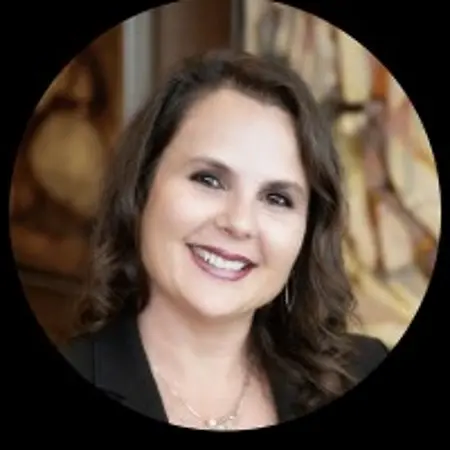
Her Story
About Julie
Julie Marini-Kimball, MBA, is a senior human resources executive with more than 25 years of experience leading strategic HR initiatives across industries including insurance, healthcare, higher education, energy, and dental services. She serves as Vice President, Human Resources and Total Rewards at Dental Care Alliance, where she leads a broad portfolio spanning compensation, benefits, payroll, retirement programs, leave administration, HR technology and analytics, compliance, and organizational development. In this role, she sets and executes strategies that enhance the employee experience, strengthen organizational performance, and support continued growth across the organization’s nationwide network of dental practices. Julie began her career in the insurance industry as an underwriter while in college, building a strong foundation in benefits and financial structures. She then transitioned into human resources, establishing Oxford Health Plans’ first employee training function before moving into benefits and total rewards leadership. Over time, she broadened her expertise to include compensation strategy, compliance, and HR operations. Julie spent nearly 15 years at Yale University in senior leadership roles, where she oversaw compensation planning and benefits strategy for more than 16,000 employees. During her tenure, she led large-scale HR transformation initiatives, including redesigning compensation structures, implementing HR technology systems, and modernizing retirement and benefits programs. In 2020, she relocated to Florida and joined TECO Energy as Senior Director, Total Rewards, leading strategic initiatives across compensation, benefits, HR technology, payroll, and performance management for multiple utility companies. She later joined Dental Care Alliance to advance HR transformation efforts during a period of rapid organizational growth. Recognized for simplifying complex programs and aligning HR strategy with business objectives, Julie focuses on process improvement, automation, and employee-centered program design. Julie holds a Bachelor of Business Administration and a Master of Business Administration, with a concentration in Human Resources, from Sacred Heart University. She is active in professional organizations including SHRM, WorldatWork, and the International Foundation of Employee Benefits.
Her Interview
Ten minutes with Julie
01What do you attribute your success to?
I attribute my success to the strong managers and leaders who gave me opportunities to grow and take on stretch assignments. Two leaders at Yale University had a particularly meaningful impact on my development. Rob, the first vice president to hire me at Yale in 2005 as a Benefits Manager, promoted me to Director within three months. The pace of that advancement reflected his confidence in my potential at a time when I had not yet recognized it myself. I still remember him introducing me to faculty and senior leaders and sharing his belief that I would elevate the university’s total rewards program—an inspiring vote of confidence as I was stepping into the role. Michael, the Chief Human Resources Officer, was equally influential. He empowered me to lead, provided latitude to execute, and encouraged me to pursue new challenges. Throughout my career, these two leaders have been among the most formative influences. I also believe in continuous learning and in seeking stretch assignments. I have been fortunate to work with managers who trusted me with increased responsibility and supported my growth. In many ways, my career has progressed through a steady, organic sequence: I began in the insurance industry as an underwriter, moved into training and development, and then transitioned into benefits, drawing on my insurance background. At the same time, I was completing my master’s degree in Human Resources Management, which helped bring those experiences together. Being in the right place at the right time, combined with supportive leadership, created opportunities that shaped the path I followed.
02What’s the best career advice you’ve ever received?
One of the most valuable pieces of advice I received came from a mentor and senior leader during my time at Yale University. His message was straightforward: there is so much you can do—go do it. That encouragement strengthened my confidence to take initiative, pursue greater responsibility, and lead high-impact work. Having a leader who believes in you and creates space to grow can be career-shaping. The experience reinforced for me that hesitation is often the primary barrier to development—and that progress typically follows when you step forward, take ownership, and deliver.
03What advice would you give to young women entering your industry?
My advice is to commit to continuous learning, stay curious, and proactively pursue opportunities that stretch your capabilities. Professional growth often comes from assignments that push you beyond your comfort zone and broaden your skills. I also encourage early-career professionals to build a network of mentors who can offer perspective, candid feedback, and guidance as you navigate key decisions. Seek exposure to cross-functional work and strategic initiatives so you can understand how organizations operate and how decisions are made. By taking initiative, delivering consistently, and asking to contribute to meaningful projects, you can build a strong foundation of experience and position yourself for future leadership roles.
04What are the biggest challenges or opportunities in your field right now?
One of the most significant opportunities in human resources today is the continued transformation of HR through process improvement, automation, and digital enablement. Organizations are increasingly adopting modern HR platforms and people analytics to improve efficiency, standardize service delivery, and enhance the employee experience. As companies scale and operating models evolve, HR leaders must ensure these solutions are intuitive for employees, effective for administrators, and supported by strong governance and change management. A parallel challenge—and opportunity—is attracting and retaining talent while enabling sustainable growth. HR teams must design competitive compensation and benefits programs and align them with broader business objectives. Equally important is helping employees understand how their contributions support organizational goals, which strengthens engagement and reinforces a high-performance culture.
05What values are most important to you in your work and personal life?
One of my core strengths is simplifying complex information and translating it into clear, actionable communication. Early on, I considered becoming a teacher, and that orientation still shapes my leadership approach. I focus on breaking down complex processes and strategies into practical roadmaps so employees and leaders understand where the organization is headed and how their work contributes to that direction. I am equally committed to process improvement and building systems that enhance the employee experience. Throughout my career—at Yale University, TECO Energy, and Dental Care Alliance—I have advanced simplification through automation, digitization, and modern HR technology. My goal is to deliver solutions that are intuitive for employees and managers, improve policy and system navigation, and enable the organization to operate with greater efficiency and consistency.
Join Influential Women and start making an impact. Register now.