Her Story
About Julie
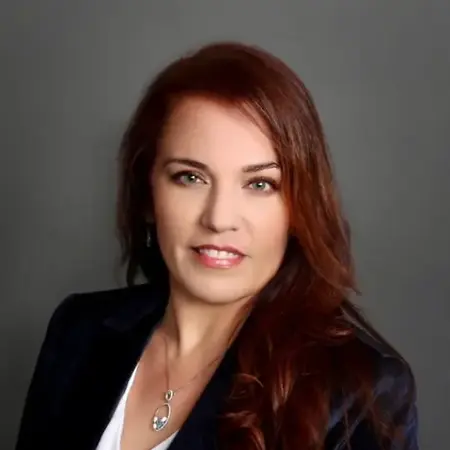
Julie Pleasant has dedicated nearly three decades to law enforcement, building a distinguished career focused on both public safety and the transformation of victim services. Over her 29-year tenure with the Houston Police Department, she has served in a wide range of assignments, including tactical operations, criminal intelligence, training, technology, and executive leadership, ultimately rising to the role of Police Administrator of the Victim Services Division. Throughout her career, she has remained committed to improving how law enforcement responds to victims of violent crime through more compassionate and coordinated systems of support.
Driven in part by personal experiences witnessing domestic violence within her extended family, Julie developed a deep commitment to addressing the long-term needs of victims beyond traditional enforcement-focused responses. She envisioned a more holistic model of care that integrates law enforcement with social workers, healthcare providers, and community organizations to ensure victims receive comprehensive and trauma-informed support during some of the most difficult moments of their lives.
That vision was realized through her leadership in the creation and expansion of the Domestic Abuse Response Team (DART), which grew from a small team of six individuals into a robust division of 56 professionals. Under her leadership, the program secured permanent departmental funding and became a model for integrated victim services within the Houston Police Department. Today, her division oversees homicide liaison services, crash fatality response, domestic violence initiatives, victim advocacy programs, and Crime Victims’ Compensation support, helping families navigate both the emotional and financial impacts of violent crime.
Throughout her career, Julie has championed servant leadership, collaboration, and mentorship, with a strong focus on empowering others and strengthening future leaders in law enforcement. Looking ahead, she hopes to expand her impact by consulting with agencies nationwide to help develop and enhance victim services programs modeled after her work in Houston. Her career reflects a lasting commitment to innovation, compassion, and meaningful reform in how victim advocacy is delivered within law enforcement.
Her Interview
Ten minutes with Julie
01What do you attribute your success to?
I attribute my success to the ability to listen attentively, ask thoughtful questions when I lack clarity, and remain open to continuous learning. I have also been fortunate to have trusted mentors throughout my career individuals with experience, integrity, and sound judgment who have provided guidance, honest feedback, and support when needed. Their mentorship has been invaluable in shaping my professional growth and decision-making, and I strongly believe that seeking out and maintaining those relationships is essential to long-term success.
02What’s the best career advice you’ve ever received?
The best career advice I have ever received is to lead with listening, remain curious enough to ask questions when something is not clear, and never hesitate to seek guidance. Finding a mentor someone experienced, trustworthy, and willing to provide honest feedback has been especially impactful in my own journey. I have been fortunate to have mentors who supported my growth and development, and their guidance has been invaluable in shaping both my professional decisions and long-term success.
03What advice would you give to young women entering your industry?
My advice to young women entering this industry is to lead with curiosity and humility listen carefully, ask questions when you don’t know, and never be afraid to seek clarity. It is also essential to find a mentor you can trust, someone with experience who can offer honest guidance and constructive feedback; having that kind of support has been invaluable in my own journey. I also strongly encourage building networks with other women in the field, learning from how they navigated challenges, and supporting one another by sharing insights and opportunities. Most importantly, never limit yourself—anything that can be done in this profession, you are fully capable of achieving as well.
04What are the biggest challenges or opportunities in your field right now?
One of the greatest challenges I see in law enforcement today is ensuring that victims receive comprehensive support that extends beyond the criminal investigation itself, as victim advocacy programs often remain underfunded despite their profound impact on individuals and communities. At the same time, I see significant opportunity to further integrate social workers, victim advocates, healthcare professionals, and community organizations into policing to create more holistic and coordinated responses for victims of domestic violence, sexual assault, homicide, and other violent crimes. I also hope to see more agencies adopt dedicated victim services divisions modeled after Houston’s approach, strengthening trauma-informed care and improving long-term outcomes for those affected by crime.
05What values are most important to you in your work and personal life?
The values most important to me in both my professional and personal life are compassion, integrity, service, collaboration, mentorship, and strong leadership. I believe every victim deserves to be treated with dignity, respect, and access to meaningful support and resources, regardless of their circumstances. I am also deeply committed to empowering others, fostering strong partnerships, and building sustainable systems that continue to serve and strengthen communities long after individual leaders transition out of their roles.
Join Influential Women and start making an impact. Register now.