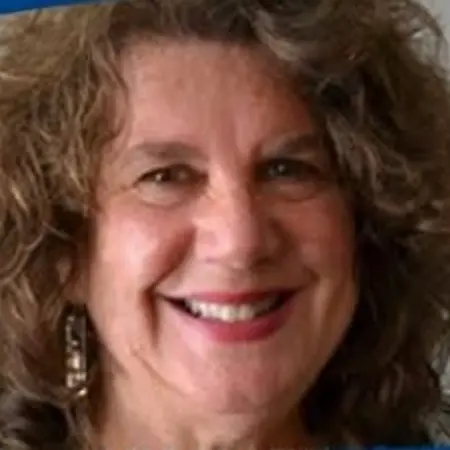
Influential Woman · Healthcare Research, Traumatic Brain Injury Research, Rehabilitation
Juliet K. Haarbauer-Krupa, PhD
Researcher/Adjunct Faculty and , Speech-Language Pathologist, Emory University School of Medicine
Atlanta, GA 30307
Her Story
About Juliet
Juliet has over 40 years of experience and multiple publications in TBI. She is Adjunct Faculty in the Department of Pediatrics, Emory University School of Medicine. Her original work started with a book titled, Head Injury Rehabilitation: Children and Adolescents. At Children’s Healthcare, she was principal investigator of a federal longitudinal study about preschool children and a pilot study to investigate transition to adulthood in adolescents with complex medical conditions. Recently she was a Senior Health Scientist on the Traumatic Brain Injury Team, Division of Injury Prevention, CDC. She recently received the 2025 Moody Foundation award for her research and practice in TBI.
She developed rehabilitation programs for acquired brain injury at the Rehabilitation Institute of Pittsburgh, National Rehabilitation Hospital (Washington, DC), Atlanta Rehabilitation Institute, and Children’s Healthcare of Atlanta. In addition to her work with children, she has worked in rehabilitation and written papers about adults, using TBI Model Systems and TRACK TBI data. During her career, she has joined policy efforts to advocate for the TBI act and worked to develop return to play polices and other injury prevention and safety issues.
Her Interview
Ten minutes with Juliet
01What do you attribute your success to?
I attribute my success to persistence and a really supportive husband and colleagues in the field. Early in my career I was luck to work with colleagues interested in the field of TBI and we collaborated on the first book title, Head Injury Rehabilitation: Children and Adolescence. At this point of my career, I have over 100 publications which supports my interest in continuing to do research. In addition to my colleagues, I have a wonderful family.
02What’s the best career advice you’ve ever received?
The best career advice I received came from my mentors who encouraged me to pursue my PhD and stay in the field. Dr. Mark Ylvisaker, who I was co-author on the first book with, was a big encourager. He encouraged me to get my PhD and stay in the field. Also, a neuropsychologist by the name of Robin Morris at Georgia State contacted me when I first moved here and said, Julie, you gotta apply for a PhD in neuroscience. I said no, I'm having kids and I just moved here, but then I did get my PhD and he was on my committee and was the best mentor ever. Between him and Mark and my friend Roberta de Pompeii, who really supported me and joined my grants to help me, they all showed me how to mentor people.
03What advice would you give to young women entering your industry?
I love to mentor people, so I would encourage that person to get into the field. I'll give an example of two young women I mentored during their doctoral program in Ohio. Following that, they both got postdoc grants and they both got federal grants, and they're studying children. When I was at CDC, I created a grant to study Return to School, and the people I've mentored in Ohio were successful with getting a grant. That makes me feel good that I'm able to mentor people who want to get into the field. Jenny and Angela, I encourage them to join publications with me. Those are things you can do to help people and talk. I review a lot of things that I don't have to be on, because I want people to get the word out.
04What are the biggest challenges or opportunities in your field right now?
My goal is to make sure that kids who experience a TBI and adults get care after the injury, because this is an unexpected event. People don't know the effects when you get hit in the head, usually, unless you're a scientist like me. They don't know the effects, and they're just flabbergasted many times. They didn't realize it was going to affect them, and I follow survivors on social media and it's heartbreaking to see what they post about trying to get care, and they can't get it. So my goal is to help more people get care. I don't know whether we're going to be able to do much under this administration that has cut a lot of the federal funding and insurance and everything. On the positive side, I was just at a pediatric conference in Canada, and I was so impressed with the volume and different types of research people are doing on kids now. It's really exciting.
05What values are most important to you in your work and personal life?
The most important values in my work and personal life are persistence, mentorship, ensuring access to care for individuals with brain injury, and supporting expanded opportunities for women.
Join Influential Women and start making an impact. Register now.