Her Story
About Katelyn
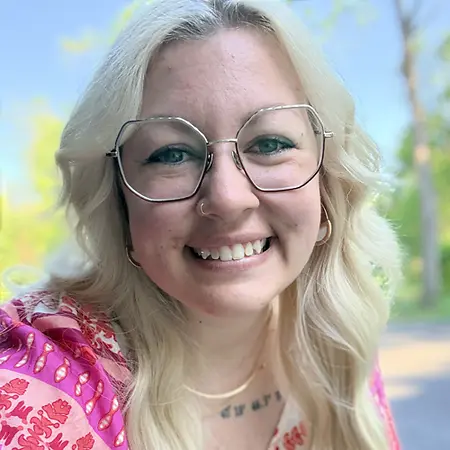
Katelyn Prosser serves as a Special Education Advisor with the Pennsylvania Department of Education, bringing a diverse background in classroom instruction, educational leadership, and student advocacy to her work. She began her career in special education immediately after college and spent eight years working directly with students in a variety of settings, including autistic support, emotional support, and learning support for students with varying needs. This firsthand classroom experience provided her with a comprehensive understanding of the diverse needs of students with disabilities and shaped her commitment to creating inclusive, equitable, and supportive educational environments. After eight years in the classroom, Katelyn returned to higher education to pursue administrative certifications and expand her leadership capabilities. Her career progressed from special education teacher to supervisor and then director within three years, ultimately leading to her current advisory role, where she has the opportunity to influence special education practices and outcomes on a broader scale across a region of Pennsylvania. She holds a master's degree with an additional 45 graduate credits in special education and administration and is currently pursuing continued education, reflecting her dedication to continuous professional growth and lifelong learning. Her areas of expertise include special education leadership, student advocacy, differentiated instruction, behavioral support, educational assessment, inclusive practices, and special education law and compliance. Katelyn's passion for serving students with special needs began in eighth grade when an influential teacher encouraged her to volunteer in a life-skills classroom. That experience opened her eyes to the potential of students with disabilities and ultimately inspired the career she has built today. At the heart of her work is a belief that students must be treated as individuals first, with educators taking the time to build trust, understand each child's unique strengths and needs, and create opportunities for meaningful success. Through her leadership, Katelyn is committed to advocating for students, supporting educators, advancing equitable practices, and helping shape educational systems in which every student is respected, valued, and empowered to reach their full potential.
Her Interview
Ten minutes with Katelyn
01What do you attribute your success to?
I attribute my success to passion, perseverance, continuous learning, mentorship, and an unwavering commitment to advocating for students. From an early age, I was fortunate to have mentors who recognized my potential and inspired me to pursue a career in special education, and I continue to value the guidance and relationships that have shaped my professional journey. I have never allowed age or inexperience to limit me; instead, I have embraced opportunities to ask questions, seek guidance, take thoughtful risks, and continually expand my knowledge. Each role I have held, from special education teacher to regional advisor, has given me new perspectives and strengthened my ability to create meaningful change. Above all, I remain focused on understanding and supporting students as individuals, ensuring that their needs, dignity, and potential remain at the heart of every decision I make.
02What’s the best career advice you’ve ever received?
The best career advice I have ever received is to treat children as human beings first and take the time to build genuine relationships with them. In special education, it can be easy to become focused on diagnoses, services, academic goals, or behavioral needs, but I believe meaningful progress begins with trust, respect, and understanding the individual behind the plan. I also learned early in my career that one person can profoundly influence another person's future simply by recognizing their potential and providing an opportunity to grow. An eighth-grade teacher did exactly that for me by inviting me to volunteer in a life-skills classroom, an experience that ultimately shaped my career. I carry that lesson with me today by creating opportunities, recognizing potential, and helping students and educators see possibilities they may not yet see in themselves.
03What advice would you give to young women entering your industry?
My advice to young women entering the education field is to seek out mentors, ask thoughtful questions, and never be afraid to take calculated risks when they have the potential to improve outcomes for students. Never assume that being young means your perspective is less valuable, and do not wait for someone else to give you permission to step into leadership. Learn from experienced professionals while also having the confidence to share your own ideas and perspectives. When you encounter environments where your voice may be underestimated, advocate for yourself and others with clarity, confidence, and professionalism while maintaining the compassion that brought you to the field. Above all, stay focused on the students you serve; when your decisions are grounded in their needs and best interests, you will find the courage to lead, grow, and make a meaningful difference.
04What are the biggest challenges or opportunities in your field right now?
One of the biggest challenges I see in education is the continued underrepresentation of women, particularly young women, in administrative and senior leadership positions. As women make up a significant portion of the education workforce, there is a tremendous opportunity to ensure their voices and perspectives are equally represented in decision-making. Young female leaders may sometimes feel they need to work harder to establish their credibility and authority, but I believe this challenge can also become an opportunity to mentor and support one another, pursue leadership roles, and confidently bring our experiences from the classroom into broader educational conversations. In special education, I believe the future will be strongest when leaders combine sound policy knowledge with firsthand understanding of students, families, and the everyday realities educators face, keeping those experiences at the center of meaningful decision-making and positive change.
05What values are most important to you in your work and personal life?
The values that are most important to me in both my work and personal life are compassion, advocacy, family, perseverance, creativity, education, and respect for every individual's humanity. I believe meaningful leadership begins with truly seeing, listening to, and valuing the person in front of you, whether I am advocating for students, creating art with children in my community, continuing my own education, or supporting my family. I strive to approach every opportunity with empathy, determination, and a commitment to helping others recognize their potential. My experiences have reinforced my belief that meaningful change does not always begin with something complicated; sometimes, it starts simply by taking the time to see someone's potential, believe in them, and create an opportunity for them to discover what they are capable of achieving.
Join Influential Women and start making an impact. Register now.