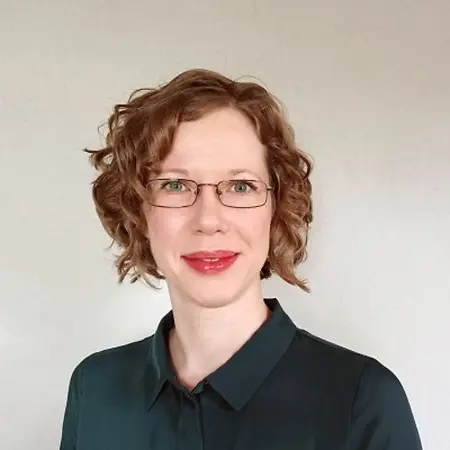
Her Story
About Katharina
I've been working in biotech and biomedicine for over 10 years now, and it became clear very early on that this was something I was interested in - biology and everything related to it just came naturally to me. I completed my PhD in neuro-oncology, which took about 4 years, and I've been in my current position at Boston Children's Hospital for three and a half years. The research we do is very impactful and can have a huge impact on future patients, which is incredibly meaningful to me. I feel that having a position in this male-dominated field is already a high achievement, and I'm proud that the work we're doing gets awards and ownerships every year - it's highly recognized in the field. One of the most important aspects of my work is mentoring younger scientists, especially young women. I currently have two female interns, and I've trained up to four at a time through after-school and summer internships. I try to push the female percentage a bit because I wish there would be more representation of women in leadership positions. You see women in initial research assistant positions, but then it thins out very fast. I'm committed to training young women without the pressure that I had when I did my undergrad and PhD, because research can be quite depressing when you're very dedicated. When I started my career in STEM, everyone was not very nice - there was a lot of competition, and the tone was not always the nicest in the lab. I really try to make sure this is not the case for the younger generation. Mistakes happen, and they're all just learning, so we all have to remember how it was when we started. I think a lot of mentors do not take the time, especially for very young people that just started with university, and they expect too much, and then research becomes too depressing right from the start. I try to prevent that by being kind while still maintaining high standards.
Her Interview
Ten minutes with Katharina
01What do you attribute your success to?
I already feel that it is a high achievement for myself to have a position in this male-dominated field for so long. What really drove me was that biology and everything that had to do with it came just naturally to me from early on - I had that curious mind for biology. My mom did not finish university, so my sisters and I are the first generation in our family where it was clear we would go to university and study. It was very important to my mom that we choose that line of education. Even though it was difficult because if your parents come from a different background, they probably cannot understand how much effort you really have to put into it, that foundation and support was crucial. I've stayed focused on what I think is important, and the research we do is very impactful and can have a huge impact on future patients - that sense of purpose keeps me going.
02What advice would you give to young women entering your industry?
They should not be intimidated, especially not if they meet people who are rude or who just try to out-compete them. They should always just give their best and do not lose their goal out of sight - just focus on what they think is important, and then the rest will come. It's very important that they learn to stand up for themselves in this field. But we can be bold and still kind - we can be injured with kindness. You don't have to be not nice to get ahead. Even though they are 19 or 20 and still learning, they definitely have to learn to stand up for themselves. This field is still very competitive and can be intimidating, but they shouldn't let that stop them from pursuing what they're passionate about.
03What values are most important to you in your work and personal life?
Kindness is absolutely central to how I approach my work - you can do what you're doing and still be kind. I believe we can be bold but still kind, and that's something I really try to model for the younger generation. When I started my career in STEM, there was a lot of competition and the tone was not always the nicest, but I really try to make sure this is not the case for the younger scientists I mentor. Mistakes happen, and they're all just learning, so we all have to remember how it was when we started. I think it's very important to not expect too much from young people just starting out, because research can become too depressing right from the start if the environment isn't supportive. Making an impact is also crucial to me - the research we do is very impactful and can have a huge impact on future patients, and that drives everything I do. In my personal life, I try to spend as much time with my family as possible, which is very restoring, and they give back a lot - I feel loved and supported. I also love to be in nature as much as possible and enjoy cooking nice meals and having nice family evenings together. That restorative time with family and in nature helps me show up as my best self.
Join Influential Women and start making an impact. Register now.