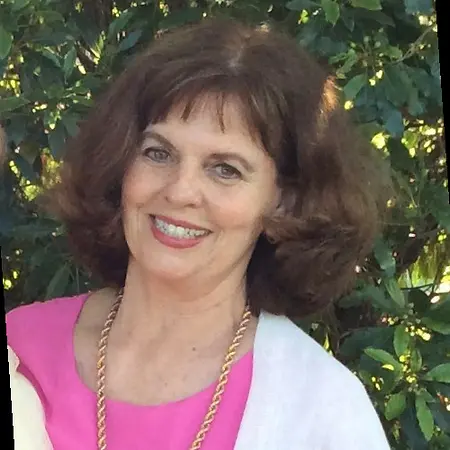
Her Story
About Kathleen
Kathleen Gabriel is Professor Emeritus at California State University, Chico and an educational consultant specializing in faculty development and student success strategies in higher education. She is a nationally recognized author and presenter whose work focuses on improving teaching practices and promoting learning strategies for all students, with particular emphasis on those who have been historically underserved or underprepared in college settings. Across her career, she has dedicated herself to helping educators create more inclusive, effective, and student-centered learning environments.
Her professional journey spans more than five decades in education. She began as a high school social science teacher before transitioning into special education as a Resource Specialist for students with learning disabilities. She later developed academic support and intervention programs for at-risk students and student-athletes at the University of Kansas and the University of Arizona. She also served in leadership roles including Director of Disabled Student Services at the College of the Siskiyous and faculty development specialist, where she trained instructors in evidence-based teaching methods. Her work consistently bridges K–12 and higher education, focusing on helping students “learn how to learn.”
Gabriel is the author of influential works such as Teaching Unprepared Students and Creating the Path to Success in the Classroom, both widely used in educator training and faculty development. She has received multiple teaching and innovation awards and has conducted workshops and presentations across dozens of U.S. states. Known for her practical, research-based approach and strong advocacy for at-risk learners, she continues to shape educational practice through consulting, writing, and professional development initiatives even after her formal retirement from full-time teaching.
Her Interview
Ten minutes with Kathleen
01What do you attribute your success to?
I attribute my success to a strong support system and key mentors who have shaped my journey. My husband, Michael Gabriel, has been a constant source of encouragement and practical support since we married right after college, helping me balance academic and professional demands, including through my doctoral studies and work with at-risk student-athletes. My grandmother, Amanda Martin, also deeply influenced me through her resilience, humility, and unwavering encouragement to always do my best despite her own difficult upbringing. In addition, Professor W.H. “Old Hutch” Hutchinson played a pivotal role in my academic growth, challenging me to recognize my potential when I entered college as an at-risk student and helping me build the confidence and discipline that carried me through my degree and graduate studies.
02What’s the best career advice you’ve ever received?
Some of the best career guidance I’ve received has come from mentors who helped me see my own potential. My grandmother, Amanda Martin (1882–1976), influenced me through her resilience and unwavering encouragement to always do my best, despite her own humble beginnings. In college, my advisor, Professor W.H. Hutchinson—“Old Hutch”—played a pivotal role in my development by directly challenging me to recognize my abilities as an at-risk student and pushing me to take ownership of my academic success. His honesty and belief in me were a turning point in building my confidence and shaping my career path.
03What advice would you give to young women entering your industry?
My advice to young women entering this field is to genuinely love people and commit to helping them grow with both compassion and high expectations—what I call “tough love.” In work with at-risk students, it’s important to go beyond feeling sorry for them and instead actively support their learning and development. Real impact comes from being present, building relationships face-to-face, and taking the time to truly engage rather than relying on emails or distance communication. Success in this field requires showing up consistently, learning from effective mentors, and being willing to invest the time needed to make a difference.
04What are the biggest challenges or opportunities in your field right now?
One of the biggest challenges in my field right now is the impact of COVID, which has left many students entering school underprepared and has increased pressure on teachers and institutions. At the same time, this creates an important opportunity to strengthen early support systems, especially in high schools. Expanding approaches like the Strategic Intervention Model (SIM) can help close learning gaps earlier and better prepare students for success in college or vocational pathways.
05What values are most important to you in your work and personal life?
The values most important to me are presence, compassion paired with high expectations, and meaningful connection. In my work, I focus on being fully present for students and practicing “tough love”—supporting them through high standards rather than pity, guided by the belief that you cannot help someone you feel sorry for. In my personal life, I prioritize family, especially time with my husband and grandchildren, and I stay deeply connected to my hometown of Chico through historical research and community involvement, while also maintaining balance through biking and creative hobbies like sewing and embroidery.
Join Influential Women and start making an impact. Register now.