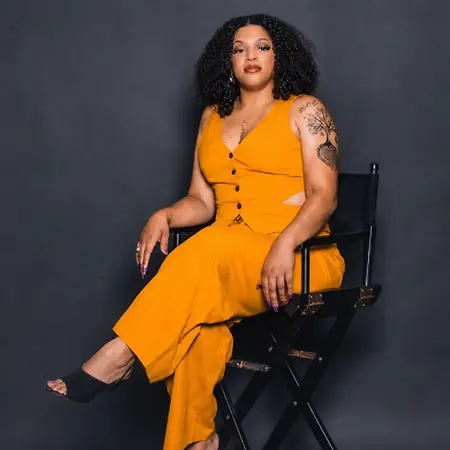
Influential Woman · Nonprofit Founder, Coaching, Trauma-Informed Care, Reiki Practioner
Kayla Gatto
Founder and President/Life Coach, The Onyx Victor Foundation
Hampton Roads, VA 23462
Her Story
About Kayla
Kayla Gatto-Christofferson is a psychology graduate, trauma-informed life coach, certified Level II Reiki Practitioner, nonprofit founder, community advocate, and creator of The NFLUENCR Method, a coaching approach rooted in trauma-informed care, emotional awareness, somatic healing, and the breakdown of the deeper root issues that shape people’s lives. Based in Virginia Beach, Virginia, Kayla’s work is built from lived experience, formal education, spiritual grounding, and a deep commitment to helping others heal, grow, and reclaim their voice.
Her journey began long before coaching became a profession. As a child, Kayla survived foster care, multiple adoptions, instability, and early life experiences that shaped her understanding of trauma, resilience, identity, and survival. As an adult, she continued to face life-altering challenges, including surviving domestic violence and experiencing the devastating loss of her three-month-old son. Rather than allowing those experiences to silence her, Kayla transformed them into purpose, leadership, and advocacy.
Before entering the coaching and mental health field, Kayla worked as an event planner, coordinator, and decorator, using creativity to bring people together through meaningful experiences. She once dreamed of opening a restaurant centered around holistic foods, healing, and community connection. After the loss of her son, her path shifted quickly and powerfully. What once began in the kitchen and through community events evolved into grief advocacy, trauma-informed coaching, wellness work, and nonprofit leadership.
Today, Kayla is the Founder and President of The Onyx Victor Foundation, a nonprofit organization dedicated to supporting parents, siblings, and families grieving the loss of a child. Through grief education, peer support, advocacy, and community-centered healing, she works to create spaces where families feel seen, supported, and no longer isolated in their pain.
As a life coach, Kayla helps women examine the root issues behind their patterns, pain, identity, relationships, and personal growth. Through The INFLUENCER Method, she combines psychology, trauma-informed principles, somatic healing practices, spirituality, emotional intelligence, Reiki energy work, and practical support to help clients move beyond surface-level change and begin to understand themselves more deeply. She is deeply passionate about nervous system regulation, emotional wellness, mind-body healing, and creating holistic approaches to recovery that honor the full human experience.
Kayla earned her bachelor’s degree in psychology from Walden University and is continuing her education in social work with the goal of becoming a Licensed Clinical Social Worker. Her long-term vision is to open a grief and trauma wellness and recovery center that integrates mental health support, somatic healing, grief services, community care, and holistic wellness practices into a single accessible, healing-centered space.
Her work reflects the fullness of who she is: a mother, survivor, advocate, healer, creative, student, leader, and woman of purpose. Through every chapter of her life, Kayla has continued to become a stronger pillar for herself, her children, and her community, proving that influence is not only about visibility but about impact, transformation, and the courage to turn pain into purpose.
Her Interview
Ten minutes with Kayla
01What do you attribute your success to?
I attribute my success to the Highest Power, my children, my resilience, and the professors who guided me throughout my journey, earning my bachelor’s degree in psychology. My faith and spiritual grounding have helped me maintain purpose, direction, and strength during some of the most difficult seasons of my life. My children continue to be one of my greatest motivations, inspiring me to keep growing, healing, and building a better future not only for myself, but for them and the communities I serve. I also attribute my success to resilience developed through lived experiences that taught me perseverance, adaptability, and compassion for others. Lastly, I am deeply grateful for the professors and mentors who challenged me academically, expanded my understanding of human behavior, and encouraged me to use education as a tool for advocacy, healing, and meaningful social change.
02What’s the best career advice you’ve ever received?
The best career advice I have ever received was to stop viewing my lived experiences as limitations and start recognizing them as part of my purpose. For a long time, I believed I had to separate my personal experiences from my professional goals in order to be taken seriously. Over time, I learned that the resilience, empathy, discernment, and perspective developed through adversity are often what allow someone to truly connect with and help others in meaningful ways. I was also reminded that success is not always linear and that building a career rooted in impact, authenticity, and service takes patience, consistency, and faith in the process. That advice continues to guide me as I grow within psychology, advocacy, nonprofit leadership, and community-centered work.
03What advice would you give to young women entering your industry?
I would tell young women entering this field not to feel like they have to be completely polished before they begin. Many women are already naturally guiding, supporting, and uplifting people in their everyday lives without even realizing they are operating from skills that can translate into coaching, advocacy, or leadership. Growth takes time, and you do not have to have everything figured out overnight. Continue learning, continue evolving, and allow yourself the space to grow both personally and professionally.
I would also encourage women to invest in education and self-development so they can bring something meaningful and unique into their work. Coaching and advocacy have become very popular fields, but what makes someone truly impactful is their ability to combine authenticity, knowledge, lived experience, and ongoing education in ways that genuinely help others. Do not let society convince you that you are not qualified to pursue the purpose you already feel deeply connected to at your core.
04What are the biggest challenges or opportunities in your field right now?
I believe some of the biggest challenges in my field right now are access and education. There are many people struggling emotionally, mentally, and financially who either do not know what resources are available to them or do not understand how to access appropriate support. Even when people are aware of the help that exists, affordability remains a major barrier. Many services are still financially out of reach, even for individuals with insurance coverage.
At the same time, I believe this also presents an important opportunity for professionals, advocates, and community organizations to focus on expanding education, improving accessibility, and developing more culturally responsive, community-centered approaches to care. People deserve support that feels understandable, accessible, and realistic for their everyday lives, not just support that technically exists on paper.
05What values are most important to you in your work and personal life?
The values that are most important to me in both my work and personal life are authenticity, compassion, integrity, resilience, and community. Much of my work is deeply rooted in lived experience, including surviving domestic violence, navigating grief after the loss of my son, and turning those experiences into purpose-driven advocacy and support for others. These experiences taught me the importance of empathy, emotional honesty, and creating spaces where people feel safe enough to heal without judgment.
I also deeply value education, growth, and ethical responsibility. What began as helping friends and community members access resources and emotional support gradually evolved into formal coaching, nonprofit leadership, and the pursuit of higher education in psychology and social work. I believe it is important to continuously learn and grow so I can support others in a way that is both compassionate and informed.
Community is another core value that guides my work. Through The Onyx Victor Foundation, I have been able to support grieving families through advocacy, grief support initiatives, and community-centered healing. I believe meaningful change happens when people feel seen, connected, and supported rather than isolated in their struggles. My goal in both my personal and professional life is to lead with purpose, integrity, and a genuine desire to help create healing and empowerment within the communities I serve.
Join Influential Women and start making an impact. Register now.