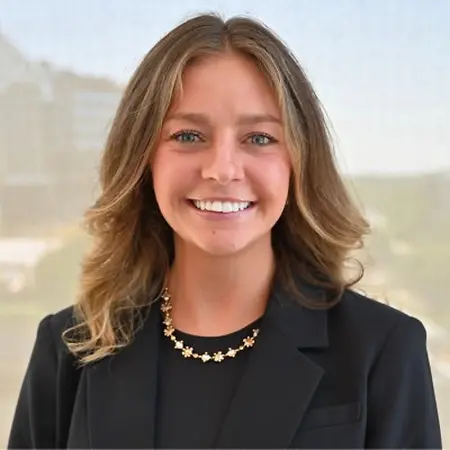
Her Story
About Kayla
I've been working in the biotech industry for about 2 years now, so I'm still pretty new to the field. My main area of expertise is biomedical engineering, which is what I studied in undergrad and what I'm currently applying in my work. At my company, we're doing a lot of animal research and animal health diagnostics. I handle the back-end research and feasibility work, gathering data to determine what we can and cannot manufacture for specific customers. The range of animals we work with is quite diverse, from typical livestock like cows and chickens to more specialized species like bats for COVID testing. One of my most notable achievements so far has been earning my Lean Six Sigma Greenbelt certification. That certification involved a project that took a little over 8 months, where I was doing cancer research and technology work, similar to the animal health testing. Through that project, I made some discoveries that saved nearly $50,000 for my company annually. Before entering industry, I was a Division I athlete in college, and I've carried that competitive and athletic background through to my adult life. Outside of work, I'm a competitive high rocks and marathon runner.
Her Interview
Ten minutes with Kayla
01What do you attribute your success to?
I would probably attribute my success to my parents, who instilled those characteristics in me and always set the example of holding yourself to a very high standard. They really shaped who I am and taught me the importance of maintaining high expectations for myself in everything I do.
02What’s the best career advice you’ve ever received?
The best career advice I've received is probably just to be curious and ask questions. Don't be afraid if you don't know something, and just go out and learn as much as you can, especially in your first couple years of being in industry like I am. It's really important to embrace that learning mindset and not let fear of not knowing hold you back from growing.
03What advice would you give to young women entering your industry?
One of the most important things I've learned is to network and not be afraid to introduce yourself, meet new people, and ask questions. Really just get a sense for what's going on and ultimately what's out there, because I think there are a lot of opportunities there for us. It's just on you to figure out where they are and how you can get them. Don't let hesitation hold you back from making those connections and discovering what's possible.
04What are the biggest challenges or opportunities in your field right now?
Some of the biggest challenges we're facing as an organization are definitely scaling to meet some of the new standards as far as automation goes. Industry standards are constantly being raised, so the competition to be the best means you always have to be willing to change, learn new things, and keep up with the times. As far as opportunities, there's definitely a lot of new opportunities we're looking into as a company in genetic sequencing and how we can better those practices by implementing automation. That's something we're starting to tap into as an organization.
05What values are most important to you in your work and personal life?
Dedication and work ethic are definitely the most important values to me. I think those come through in most of the things that I do. It's also really important to me to be authentically yourself and be comfortable standing in whatever room you walk into. That confidence and authenticity, combined with strong work ethic, are what guide me in both my professional and personal life.
Join Influential Women and start making an impact. Register now.