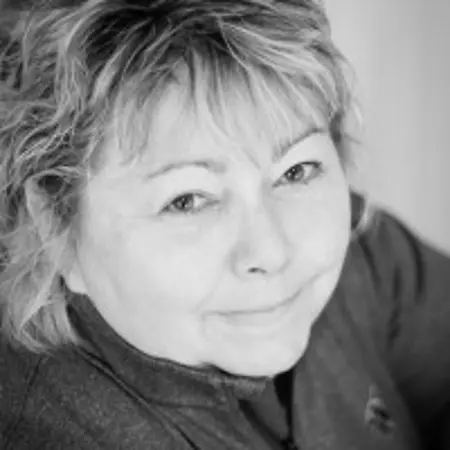
Influential Woman · Fine Arts
Kelly Sooter
Fine Artist, Kelly Sooter Fine Art
St. George, UT 84790
Her Story
About Kelly
Kelly Sooter is a contemporary oil painter whose work captures the depth, presence, and emotional resonance of life’s journey. Drawing on over two decades of dedicated study with European and American masters, including an extensive 15-year apprenticeship with Russian master Slava, Kelly combines classical composition with a modern sensibility. Her landscapes, layered with multiple oils and enhanced by a sgraffito-inspired technique, serve as visual metaphors for perseverance, transformation, and quiet strength, offering viewers a space for reflection and connection.
Originally trained in business and working in international relief and market research, Kelly transitioned to fine art full-time, seeking classical instruction unavailable in traditional universities. She traveled extensively to study with European instructors and refined her craft under masters like Nancy Bush and Scott Christensen. Her work is informed by technical rigor, atmospheric mastery, and an understanding of visual storytelling, creating pieces that are not only visually compelling but also emotionally enduring.
Kelly’s paintings are held in private collections across the United States and featured in galleries and online juried platforms. Collectors are drawn to her work for its calm, perspective, and capacity to resonate with life’s challenges—whether personal or professional. Today, she continues to create from her home studio in St. George, Utah, while expanding her reach through corporate placements and collaborations with art advisors, ensuring that each piece provides a lasting presence and a sense of contemplative strength for those who experience it.
Her Interview
Ten minutes with Kelly
01What do you attribute your success to?
I attribute my success to staying true to my own artistic voice and not following the mold that other landscape artists expect. I've gotten a lot of blowback for decades because there are so many landscape artists that are incredibly good, but they all paint the same, and they expect you to do the same - they want you to have the five elements, a shrub here, and a path there. I've gotten a lot of blowback for my imagery because I don't fit the mold, but yet I'm the one getting openings with people and collectors that buy my work for a reason. I have to keep my nose down and thank them for their advice, and love their work, and do my own thing, because you can never create your own imagery, your own voice, if you're told that you need to follow their voice. I also think setting really strong boundaries has been crucial - even with family that come for reunions, I still have to get my exercise and set aside time for my work. Otherwise, people think if you're an artist, you don't need to do that, right? You're just a hobby artist. But I've learned that some things I think are really great aren't what other people think are great, so I've had to trust the process and trust what resonates with my collectors.
02What’s the best career advice you’ve ever received?
The best career advice I’ve ever received is to commit to disciplined, daily practice and truly live the discipline you claim to follow, a principle inspired by my mentors and guided by the teachings of Rick Rubin. This consistency shapes both skill and character over time.
03What advice would you give to young women entering your industry?
My advice to young women entering this industry is to set and maintain strong boundaries around your time and commitments, and to be deliberate about what you choose to prioritize, ensuring your energy aligns with your goals and values.
04What are the biggest challenges or opportunities in your field right now?
The biggest challenges in my field are galleries that underprice technically strong contemporary work and exhibition practices that tie up inventory. At the same time, opportunities lie in collaborating with art advisors and corporate clients to place higher-value, curated collections, and expanding into corporate and medical environments that can benefit from intentional, healing artwork.
05What values are most important to you in your work and personal life?
The values most important to me in both my work and personal life are authenticity, disciplined practice, and maintaining strong personal boundaries, while creating calming, restorative experiences through my art.
Join Influential Women and start making an impact. Register now.