Her Story
About Kelsey
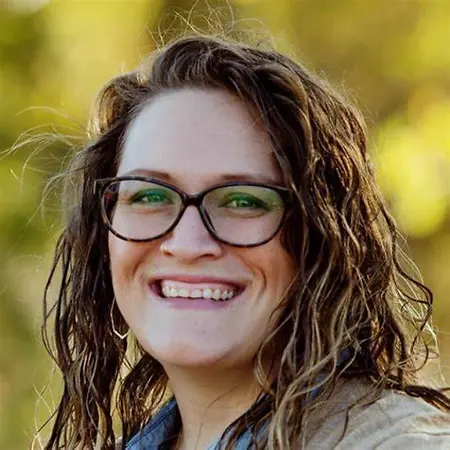
Kelsey Beggs-King is an accomplished healthcare administrator and advocate, serving as Clinic Administrator at the Sudan Medical Clinic in Sudan, Texas for the past five years. A native of a small rural town of just 5,000 people, Kelsey brings both professional expertise and personal understanding to her work in rural health. She holds an MBA in International Management from Wayland Baptist University and is a Certified Rural Health Clinic Professional, combining operational skill with a deep commitment to patient-centered care. In her role at the Sudan Medical Clinic, Kelsey oversees a wide range of responsibilities that vary day to day, including ensuring compliance for the rural health clinic and patient-centered medical home, managing quality initiatives, handling human resources, writing and managing grants, organizing staff meetings, and leading diverse projects. She is especially proud of guiding the clinic toward value-based care, positioning it to meet the 2030 goal of a fully value-based payment system. Her entry into rural healthcare was guided by family and community connections, as she returned from overseas and was invited to help restructure the clinic—despite having no prior healthcare background—bringing her passion for people and healthcare to transform the organization. Beyond clinic operations, Kelsey is a dedicated voice in rural health advocacy. She was selected as the 2026 Bill Finerfrock Health Policy Fellow with the National Association of Rural Health Clinics, becoming the first Fellow from an independent RHC. In this capacity, she ensures that the perspectives of rural communities, independent clinics, and Texas patients are represented in health policy conversations. Kelsey leverages her hands-on experience, leadership skills, and personal connection to rural communities to strengthen healthcare delivery and improve patient outcomes across the region.
Her Interview
Ten minutes with Kelsey
01What do you attribute your success to?
I attribute my success to the people around me who encourage and support me, and to what I like to call a healthy dose of West Texas stubbornness or, more professionally, resilience. I’ve learned that persistence is key: if there isn’t a clear path forward, you find a way to create one. Staying determined, leaning on those who uplift you, and approaching challenges with a problem-solving mindset have been central to my growth and accomplishments.
02What’s the best career advice you’ve ever received?
The best career advice I’ve ever received is to let people see your strengths and trust that being placed in the right situations will allow you to shine. I often find myself being pushed into the deep end, taking on challenges that feel daunting at first, but those experiences have shown me that growth comes from stepping up and demonstrating what I can do. Embracing these opportunities has helped me build confidence, develop new skills, and make a meaningful impact in my work.
03What advice would you give to young women entering your industry?
My advice to young women entering this industry is to always look for the opportunities, even when the work feels challenging or disheartening. There will be moments that test your patience and resilience, but if you stay curious, proactive, and committed to making a difference, you will always find a path forward. Focus on the areas where you can have the greatest impact, and let that drive guide you to create meaningful change in the communities and people you serve.
04What are the biggest challenges or opportunities in your field right now?
I think people just don't understand rural and the variables that we face. There's a lot of money coming down from the federal government into states, and even the people in other rural places in the state of Texas don't understand some of the barriers that we have out here, and vice versa. I don't understand all the barriers they have there. And so often, it's like you're just lumped rural or urban, but rural can mean so very many things in your barriers to care.
05What values are most important to you in your work and personal life?
I really think kindness is a big one, to just be kind to everybody, no matter what. We see all kinds of patients in the clinic, and I just want to always have space for them. I think loyalty goes a long way, especially in this area that I'm in. I'm a very loyal person, and we've had people follow some of our providers. Right now, we're like 15 minutes away from most of them, but they've traveled further just to go to someone that knows who they are, and knows the family. Loyalty and those ties really run deep around here.
Join Influential Women and start making an impact. Register now.