Her Story
About Kenisha
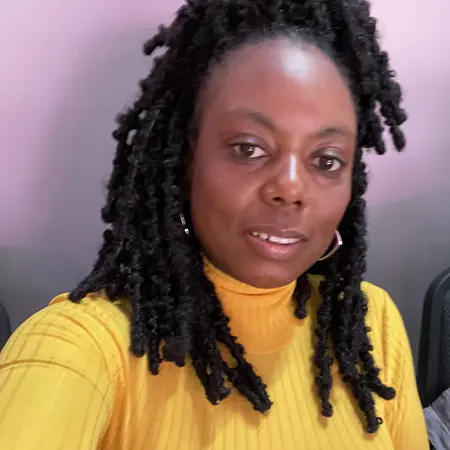
Kenisha Gay is a dedicated Case Manager at AppleGate Recovery in Dayton, Ohio, bringing over 15 years of experience in mental health, behavioral health, and substance abuse services. She began her career with a clear goal in mind: to become a crime scene investigator, inspired by her father, who was a police officer. After graduating in 2000 with degree in Criminal Justice and Chemical Dependency Counselor Assistant from the University of Cincinnati, Kenisha started as a corrections officer. During those two years, she discovered her true calling. Working with inmates facing behavioral health and substance abuse challenges, she realized the importance of empathy and personal connection—helping individuals understand how to avoid returning to jail became her focus, shaping her approach to care and humanizing her professional mission. After leaving corrections, Kenisha joined Eastway Behavioral Healthcare, where she dedicated 18 years to intensive case management for clients with mental health challenges, many transitioning from hospitals. She taught daily living skills, including cooking, budgeting, personal care, interview preparation, and social conduct, while helping clients maintain housing and reintegrate into society. Her experience at Eastway also deepened her understanding of her own two sons, who have mental health needs, enhancing her compassion and insight into client care. Kenisha supervised staff, monitored medications, and managed Medicaid billing, honing both her leadership and administrative expertise. A year ago, Kenisha transitioned to substance abuse services at AppleGate Recovery to continue expanding her knowledge and impact. She is currently pursuing her Licensed Chemical Dependency Counselor III certification, reflecting her commitment to staying current and providing the highest quality support. Kenisha’s approach is rooted in empathy, dedication, and lifelong learning—driven by the belief that you never know when someone you’ve helped years ago might need guidance again, and she wants to be ready to assist them every step of the way.
Her Interview
Ten minutes with Kenisha
01What do you attribute your success to?
I attribute my success to learning empathy and treating people like human beings rather than just cases or inmates. When I was a corrections officer, I discovered that treating inmates like people instead of just being their CO made all the difference. They started coming to me for real conversation and asking for help on how not to come back to jail. My 8 hours were spent trying to help them figure out how not to return rather than just keeping them away from me. That experience taught me empathy and sympathy, and it showed me my true calling. I also credit my success to my commitment to continuous learning and expanding my knowledge. After 18 years in behavioral health, I felt I had learned what I needed to on that side, so I moved to substance abuse services to keep growing. There's always something new in this field, and I want to stay current so I can continue to help people. Whether it's someone I helped years ago who sees me at the store and asks a question, or a new client facing challenges, I want to be ready. I'd rather people remember me for my work and the help I give them than just my brand or name.
02What advice would you give to young women entering your industry?
Success is not final. Failure is not fatal, it's the courage to continue. Don't get hung up on downfalls. Keep moving forward and have the courage to keep going even when things don't work out the way you planned.
03What values are most important to you in your work and personal life?
Empathy and treating people with dignity are at the core of everything I do. I learned early in my career that when you treat people like human beings rather than just inmates or cases, you build real connections and can truly help them. Continuous learning is also essential to me because this field is always expanding and there's always something new to learn. I want to stay current so I can continue to help people effectively, whether that's someone I worked with years ago who remembers me or a new client facing challenges. I believe in being ready to help whenever someone needs it, even if it's just a chance encounter at the store. Ultimately, I want to be remembered for the work I do and the help I provide rather than just my name or brand. It's about making a lasting impact on people's lives and helping them break cycles, whether that's mental health struggles, substance abuse, or incarceration.
Join Influential Women and start making an impact. Register now.