Influential Woman · Connectivity Provider, Agriculture
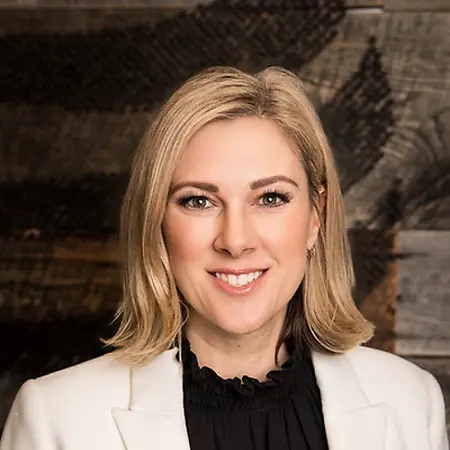
Keri Hissim
Founder and Owner of Millbrook Mushrooms, Contact Center Leader, Millbrook Mushrooms
Dallas, TX
Her Story
About Keri
I balance two careers. By day, I lead contact center operations for a Fortune 500 company in connectivity. Outside of that, I’m the founder and owner of Millbrook Mushrooms, an urban agriculture business I launched in 2021, now approaching three years of serving customers. Farming has always been part of my story. I grew up on a hobby farm through 4-H, and my husband was raised on a dairy farm. When we moved to Texas about nine years ago, we felt called back to that lifestyle. After a lot of prayer and inspiration from a close friend who started a mushroom farm in her garage, we decided to pursue urban agriculture and build something of our own.
Today, we operate out of a 2,200-square-foot, climate-controlled steel facility where we grow premium culinary and functional mushrooms, including lion’s mane and reishi. We manage the entire process from spore to fruit in a highly controlled indoor environment. What draws me to this work is the intersection of wellness and sustainability. After harvest and delivery to restaurants, farmers markets, and health-focused retailers, our spent mushroom blocks are returned to the earth as compost, completing the cycle in a meaningful way.
This isn’t my first entrepreneurial chapter. I’ve taken risks before, and I’ve had my share of setbacks. Each one taught me something that shaped how I lead and build today. Farming isn’t easy. It demands consistency, resilience, and a strong work ethic. There are nights when I’m out on the farm harvesting and early mornings tending to the next cycle. That’s the reality of agriculture. It doesn’t wait, and neither do we.
Her Interview
Ten minutes with Keri
01What do you attribute your success to?
I attribute my success to a few core principles that have stayed consistent across both my corporate career and building Millbrook Mushrooms.
First, I don’t let go of what I’m passionate about. I’ve learned that passion alone isn’t enough. It has to be paired with discipline, consistency, and a willingness to keep going when things get hard. There have been long days, setbacks, and moments where it would have been easier to step back. I chose not to. Progress comes from continuing to show up and do the work.
Second, I approach every day as a learning opportunity. Whether I’m leading large-scale operations or working inside a climate-controlled grow room, there is always something new to understand, refine, or improve. That mindset has allowed me to evolve, adapt, and make better decisions over time. I don’t assume I have it all figured out. I stay curious and open.
Third, I’ve never done this alone. I’ve been surrounded by strong leaders, mentors, and peers who have invested in me, challenged me, and helped shape how I lead. That guidance has been just as important in my corporate journey as it has been in building a farm from the ground up. I’ve also leaned into a community of growers, chefs, and partners who have supported and accelerated my learning in agriculture.
And finally, I’ve learned to embrace the full journey, including the failures. This isn’t my first entrepreneurial effort, and not everything has worked. But every experience has added to my perspective, strengthened my resilience, and clarified my direction.
Success, for me, is not one moment. It’s the result of staying committed to what matters, continuing to learn, and being willing to put in the work day in and day out, even when no one is watching.
02What’s the best career advice you’ve ever received?
The best career advice I’ve received comes down to two things: passion and work ethic.
If you’re passionate about something, you have to be willing to pursue it. But passion alone isn’t enough. It requires real effort, consistency, and follow-through. You can have a strong strategy and a well-thought-out plan, but none of it matters if you don’t put in the work to execute. I’ve learned this through experience. Millbrook Mushrooms is not my first entrepreneurial venture. I’ve tried other paths, and not all of them worked out. There were moments where I had to step back, close doors, and reassess. But each of those experiences taught me something valuable. The lesson has been clear: have a vision, build the plan, and then commit to doing the work. When things don’t go as expected, don’t stop. Take the learning, adjust your approach, and keep moving forward. The ability to pivot is critical. Every step, including the setbacks, has shaped where I am today. If you stay committed to your passion, apply a strong work ethic, and keep learning along the way, you put yourself in a position to achieve the goals and aspirations you’ve set for yourself.
03What advice would you give to young women entering your industry?
First, I want to recognize and applaud women who are stepping into farming. It’s not always an easy path, and in many ways, women are still underrepresented in agriculture. Choosing to pursue it takes confidence, resilience, and a strong sense of purpose. My advice starts with doing the work upfront. Get clear on what you want to farm. Whether it’s produce, livestock, or something more specialized, take the time to research the model, the market, and what it truly requires day to day. Farming is both a business and a lifestyle, and you need to understand both sides going in. Next, find mentors. Connect with other farmers, ask questions, and learn from people who are already doing it. That insight is invaluable. It will help you avoid common pitfalls and accelerate your learning curve in ways you can’t do alone.Then, build a plan and start executing. At some point, you have to move from learning to doing. Start where you can, stay disciplined, and continue to refine as you go. Most importantly, don’t be afraid to reach out. There is a strong community of people willing to support and guide others, especially women entering this space. I’ve experienced that firsthand. When I was exploring mushroom farming, I connected with a woman who owned her own operation. She was generous with her time and knowledge, and that guidance made a real difference in my journey. There are people out there who will help you. Take the step, ask the questions, and keep moving forward.
04What are the biggest challenges or opportunities in your field right now?
Being an entrepreneur means you carry the full weight of the business. You’re the operator, the marketer, the finance lead, the grower, and everything in between. There’s no separation. It all sits with you.
But beyond the operational demands, one of the biggest challenges I see is bigger than the business itself. It’s about sustaining the future of farming. We’re at a point where fewer people are choosing this path, and that has real implications. My goal is to help shift that narrative and inspire others to keep farming alive.
For me, this work is grounded in both wellness and sustainability. We manage the full lifecycle from spore to fruit, and nothing goes to waste. After harvesting and delivering to restaurants, farmers markets, and health-focused retailers, our mushroom blocks are returned to the earth as compost. It’s a complete, regenerative cycle that benefits not just the consumer, but the soil and the environment as well. At the same time, it’s important to be clear about what this lifestyle requires. Farming doesn’t run on a schedule. There are nights when I’m out harvesting because that’s when the mushrooms are ready. There are early mornings tending to the next cycle. It demands consistency, resilience, and a strong work ethic. This isn’t easy work, but it’s meaningful work. It fuels your body, your mind, and your sense of purpose, while contributing something positive to the broader ecosystem. My hope is that more people see the value in it, reconnect with it, and choose to be part of keeping it alive.
05What values are most important to you in your work and personal life?
The values that matter most to me are consistent across both my work and my personal life.
First is purpose. Everything I do ties back to impact. In my corporate role, it’s about delivering for customers and leading teams in a way that drives meaningful results. On the farm, it’s about producing food that supports wellness and operating in a way that’s sustainable and responsible. I want my work to matter.
Second is work ethic and accountability. I believe in showing up, doing the work, and following through. Whether it’s leading large-scale operations or harvesting mushrooms on a Saturday night, results come from consistency and discipline. There’s no substitute for that.
Third is continuous learning and growth. I don’t approach anything as “figured out.” I stay curious, I ask questions, and I learn from both successes and failures. That mindset has shaped my leadership journey and my entrepreneurial path.
Fourth is people and relationships. I’ve been fortunate to be surrounded by strong leaders, mentors, and teams who have invested in me. I value collaboration, trust, and lifting others up. Success is never built alone.
Fifth is resilience. Not everything works out the first time. I’ve had setbacks, both in business and in life, but I’ve learned to adapt, pivot, and keep moving forward. That ability to stay grounded and keep going is critical. And most importantly it's been family. My husband, my girls and the love and support along my journey.
And finally, faith and grounding. That’s been a constant in how I make decisions, navigate challenges, and stay centered. It influences how I lead, how I serve others, and how I approach both success and adversity.
At the core, it all comes down to living with intention, doing meaningful work, and leaving something better than you found it.
Join Influential Women and start making an impact. Register now.