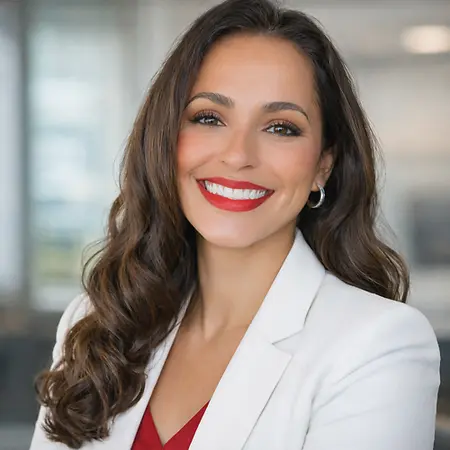
Influential Woman · Nonprofit
Kim Chism
Community Coordinator, BIPOC Healing Circle Host, Survivors.org
Perris, CA 92571
Her Story
About Kim
Kim Chism is the Coordinator of Community Engagement at Survivors.org and a dedicated advocate, community leader. She transitioned from a successful 13–15-year career in accounting to psychology and survivor support nearly five years ago, inspired by her own experience as a sexual‑abuse survivor. Kim completed her bachelor’s degree in just 16 months while raising three children, demonstrating remarkable resilience and dedication. She uses her lived experience and ongoing healing journey to create safe, confidential spaces for others, emphasizing trust, presence, and empathy in all aspects of her work. In her role at Survivors.org, Kim hosts monthly Healing Circles for BIPOC survivors, coordinates speaking engagements, develops workshop content including art and sound healing and responds to survivors seeking resources. She also manages event logistics, contracts, and donor or sponsorship programs to ensure organizational sustainability, while collaborating with community partners and educational institutions. A pivotal early milestone in her midlife career shift was working directly with adolescents in group homes, a role that solidified her commitment to trauma-informed care and survivor advocacy. Outside of her professional work, Kim is a devoted mother of three active children and a creative storyteller through her podcast, where she discusses personal trauma and healing. She enjoys reading, coloring, and cooking with her husband, with breakfast ramen as a favorite dish. Through her professional achievements, personal endeavors, and advocacy work, Kim exemplifies resilience, empathy, and a steadfast dedication to supporting others in their healing journeys.
Her Interview
Ten minutes with Kim
01What do you attribute your success to?
I attribute my success to resilience, lived experience, and a deep commitment to service. Navigating trauma, motherhood, and an accelerated academic path taught me discipline, adaptability, and purpose. I’m guided by community, mentorship, and the belief that healing when shared can create lasting change for others.
02What’s the best career advice you’ve ever received?
“Your lived experience is not a weakness, it’s your expertise.”
The best career advice I’ve received reminded me that authenticity and integrity matter more than a perfect résumé. When I lead with purpose and stay rooted in my values, the right opportunities and the right impact follow.
03What advice would you give to young women entering your industry?
"Go for it" pursue new paths despite fear; the unknown is less regrettable than never trying.
04What are the biggest challenges or opportunities in your field right now?
One of the biggest challenges and opportunities in my field is working with children in group home settings, particularly learning how to balance empathy without crossing into sympathy. This work requires a constant presence, awareness, and intentional setting of boundaries to create spaces that feel safe and supportive of healing. Through my lived experience, I’ve learned that healing is not one-sided; it’s reciprocal. Whether guiding a young participant in a nationwide healing circle or supporting children through moments of vulnerability, I grow alongside them. This dynamic reflects both the deep responsibility and the powerful opportunity to nurture resilience, trust, and emotional growth in the children and communities I serve.
05What values are most important to you in your work and personal life?
Integrity, empathy, and accountability are the values that guide both my work and personal life. I believe in showing up with honesty, practicing compassion with clear boundaries, and taking responsibility for my growth and the impact, I have. Above all, I value community, healing, and creating spaces where people, especially survivors and children, feel seen, safe, and empowered.
Join Influential Women and start making an impact. Register now.