Influential Woman · Indigenous Wellness
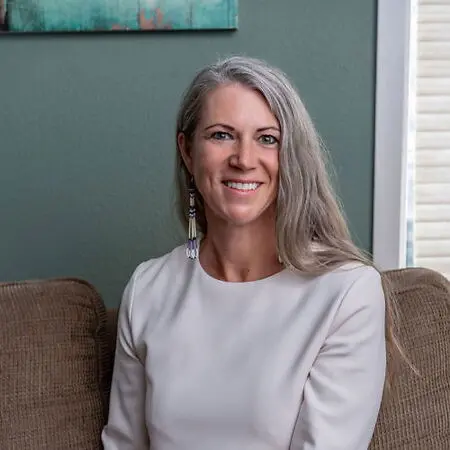
Kimber Olson, PhD, MSW
Founder | CEO | Principal Consultant, Juniper & Pine Consulting, LLC
Anchorage, AK 99509
My ancestors prioritized balance and deep rest, even traditional healers had time to rest. Today we must carve out this space ourselves.
Kimber Olson, PhD, MSW · In Her Own Words
Her Story
About Kimber
Kimber Olson is an enrolled member of the Chiricahua Apache Mimbres Band Nation and a recognized expert in Indigenous partnerships, health systems, and trauma-informed practice. With over 30 years of experience supporting Native-led organizations, Kimber specializes in designing and implementing culturally grounded, healing-centered programs that address youth and family engagement, early childhood systems building, and intergenerational trauma recovery. Her work blends Indigenous knowledge, neuroscience, and relational accountability to foster safe, resilient, and sovereign communities. As Founder and Principal Consultant of Juniper & Pine Consulting, LLC, Kimber partners with Tribal Nations, community-based programs, and service systems to transform organizational culture and leadership through culturally responsive, trauma-informed, and healing-centered approaches. She develops curricula, certification pathways, and training programs that honor Indigenous design principles, emphasizing listening, community authority, and reciprocity. Her facilitation work—including retreats, leadership circles, and multi-day trainings—create spaces of safety, kinship, and regulation, helping organizations shift from transactional relationships to transformational partnerships. In addition to her consulting practice, Kimber has held leadership roles in Tribal early childhood initiatives, vocational rehabilitation, and higher education. She has contributed to national Tribal training strategies, conducted culturally responsive needs assessments, and taught courses on Tribal vocational rehabilitation at Northwest Indian College. Kimber holds a Master of Social Work from the University of Alaska and a PhD in Psychology from Breyer State University. She continues to guide organizations, Tribal governance, and community stakeholders in building systems that restore balance, honor Indigenous knowledge, and cultivate wellness across generations.
Her Interview
Ten minutes with Kimber
01What do you attribute your success to?
I attribute my success to being deeply grounded in my spiritual, cultural and traditional teachings and in holistic ways that promote prevention and healing. My work focuses on providing guidance, developing proposals, designing training curriculums, and creating programs—all centered on fostering meaningful relationships through compassion, generosity, integrity and co-creation. I am most proud of my own return from descent through the use of cultural healing. This renewal led to my efforts within the Indigenous community to provide resources addressing healing and wellness initiatives, using traditional stories and holistic approaches. As part of my commitment, I allocate a portion of my service funds to support local non-profits and community members. Beyond my professional work, I am actively involved in initiatives such as Empowering All Relative to Heal (EARTH), earth-based healing, and Kinship foster care. I also volunteer with the Holistic Healing Community, contributing wherever I can to support wellness and resilience because I know how deeply painful that is when it is lacking.
02What’s the best career advice you’ve ever received?
The best career advice I’ve ever received is to prioritize meaningful connections, both personally and professionally. I focus on nurturing my relationships with my husband, three children, and nieces, finding my greatest peace and joy with them—especially on our boat, or anywhere near water, which is my safe haven. I also value deep friendships, continuous learning through reading and cultural practices, and grounding myself in tradition with guidance from Elder and spiritual advisors in our community, which helps shape my perspective and approach in all areas of life.
03What advice would you give to young women entering your industry?
My advice to young women entering this industry is to walk in alignment with your values and care for your nervous system. Practice gratitude, honor your connections to others, and shift the focus from merely producing to grounding yourself in purpose. By centering yourself and staying true to your principles, you can navigate your career with intention, resilience, and meaningful impact.
04What are the biggest challenges or opportunities in your field right now?
One of the greatest challenges facing the field of Indigenous wellness today is not only the trauma our relatives carry, but the cumulative weight of how that trauma lives within our programs and organizations, our helpers, and our collective nervous systems. For generations, Indigenous communities have carried the neuroepigenetic imprints of historical and contemporary trauma, but also those of strength and resilience. Colonial violence, land loss, boarding schools, and systemic discrimination have altered stress-response patterns across generations, shaping how Indigenous bodies, minds, and families respond to adversity. These inherited survival patterns show up today in chronic stress, grief, addiction, and the pervasive sense of being “on alert.”
But what is less often named is that our Tribal and social service programs and systems carry these imprints too. When helpers continually walk alongside relatives in crisis without avenues for repair, their own nervous systems begin to mirror the trauma they are supporting. Over time, entire organizations can become trauma-organized; rigid, reactive, burned out, and unintentionally replicating the very dynamics we are trying to heal. Financial pressure, political strain, staffing shortages, and constant crises further compound this stress, pulling people away from their teachings and toward survival mode.
The greatest opportunity is the cultural, spiritual, and neurobiological wisdom that has always been ours to reclaim. Organizations, like people, carry stories. If those stories are shaped by trauma, they become narrow, reactive, and fearful, but when those stories are reshaped through culture, ceremony, and community connection, systems can return to balance. Tribal wisdom has always known this, but western neuroscience is now beginning to catch up and replicate the research necessary to prove this.
The challenge is not that Indigenous communities lack healing wisdom; it is that our systems have been pulled so far into crisis-response cycles and compliance-driven work that they we have stopped using our own medicine.
05What values are most important to you in your work and personal life?
The most important values to me in both my work and personal life are connection, guidance, and service. I was deeply influenced by my late friend and mentor, Dianne Payne, who was a colleague, mother figure, and guide for over 20 years. She helped me connect more deeply to my Indigenous family and traditions, modeled practices of care and protection for children, and inspired me to bring light and hope to those facing challenges. Her example continues to shape how I approach my work and relationships with integrity and compassion.
Join Influential Women and start making an impact. Register now.