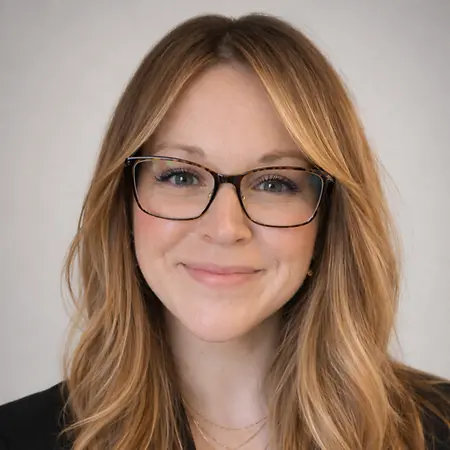
Her Story
About kristen
My career path took an unexpected turn from my original plan to go to medical school. I started with a science background but ended up in the agriculture industry, and after working in that field for a while, I realized I wanted to merge business with agriculture. That led me to pursue my master's degree in business so I could learn more about that side. Now I've been with BASF for 10 years, working in what we call agribusiness, which brings together agriculture, manufacturing, and people - all three elements that I love, especially the leadership aspect. I lead the Cotton Planning Team, where we plan cotton production with farmers, buy it from them, and manufacture it. My job is to meet the demands from what we call our global side, where the business needs to sell. I'm also in charge of leading the S&OP (sales and operations) team across the whole business, going up to the VP level, to make sure we hit our business goals quarterly. Last year, I was asked to step up and take on more responsibility, and took on an extra project across three crops. One of them was developing an SAP system for the entire U.S. crop seed supply, which included cotton, soybean, and canola. Because of that work, I'm being recognized as an emerging leader at BASF, which is a really big achievement for me.
Her Interview
Ten minutes with kristen
01What do you attribute your success to?
I attribute my success to people. Definitely the people. I would not be where I am without people taking a chance on me, without the networking and collaboration of the people I've met within the last 10 years. The relationships I've built and the willingness of others to support me have been absolutely essential to getting where I am today.
02What’s the best career advice you’ve ever received?
The best career advice I have received is do not be intimidated to take a leap. If there is a job or opportunity that you're interested in, go try it. If there is something you want, ask for it. Take the leap. I've learned that the statistics of women asking for what they want is very, very slim, where men are not afraid to do it. So my advice is to not hold back and to advocate for yourself.
03What advice would you give to young women entering your industry?
I would say find your connections, find somebody that will help you network really well. And also, don't be intimidated just by the way it looks from the outside. There are plenty of people that are willing to help women in this industry because they know that it's male-dominated. People don't see supply chain or manufacturing as something women can do - it's a very male dominant field, and that can be very intimidating. Women in agribusiness make up only about 40% based on the last stats I read. But I think it's important to get the word out there that whether you're a woman or a man, you can still excel in any industry.
04What are the biggest challenges or opportunities in your field right now?
I think that people don't see supply chain or manufacturing as something women can do. It's a very male dominant field, and that can be very intimidating. Women in agribusiness make up only about 40% based on the last statistics I read. So the biggest challenge is breaking through that perception and getting more women into the field. The opportunity is that there are people willing to help women in this industry because they recognize it's male-dominated, and it's important to get the word out there that whether you're a woman or a man, you can still excel in any industry.
05What values are most important to you in your work and personal life?
Boundaries are most important to me. I have learned in the last 10 years that it's okay to say no. And just because I'm working doesn't mean I'm not allowed to have work-life balance. Setting those boundaries and maintaining that balance between my professional and personal life has become a core value for me.
Join Influential Women and start making an impact. Register now.