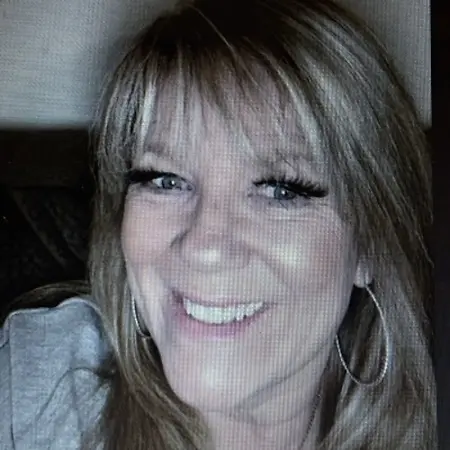
Her Story
About Leslie
Leslie A. Williams, CCSH, RPSGT, RST, is an accomplished sleep medicine professional with more than two decades of experience in diagnostic sleep studies, clinical sleep health education, and sleep lab operations. Beginning her healthcare career as a Certified Nursing Assistant, she transitioned into polysomnography after recognizing the growing need for accessible sleep care services. Trained through Intermountain Healthcare’s Polysomnography program, Leslie went on to help establish 3 sleep laboratories, including her first in Pahrump, Nevada, where she played a key role in expanding access to care for underserved patients. Today, she serves as a Registered Polysomnographic Technologist, and Sleep Technician Trainer, continuing to advance patient care and clinical excellence within the field of sleep medicine. Throughout her career, Leslie has specialized in sleep apnea diagnostics, CPAP therapy support, home sleep testing, patient education, and clinical mentorship. She is deeply committed to improving patient outcomes by identifying and treating sleep disorders before they contribute to serious health complications such as stroke, diabetes, and cardiovascular disease. Known for her emphasis on integrity and precision, she believes in delivering gold-standard diagnostic testing while ensuring patients fully understand the purpose and importance of their treatment. Her passion for education extends beyond patients to aspiring technologists, as she actively trains and mentors new professionals entering the field. In addition to her clinical expertise, Leslie is a strong advocate for community outreach, sleep health awareness, and professional development within sleep medicine. She is affiliated with organizations such as the American Association of Sleep Technologists. With initiatives and volunteer programs supporting Helping Hands. Guided by values of compassion, service, integrity, and lifelong learning, Leslie continues to make a meaningful impact through patient-centered care, mentorship, and leadership. Her dedication to advancing sleep health and supporting the next generation of technologists has established her as a respected and influential professional in the industry.
Her Interview
Ten minutes with Leslie
01What do you attribute your success to?
I attribute my success to a deep passion for helping people and improving their quality of life through sleep medicine. I believe that when we identify and treat sleep apnea early, we can help prevent serious medical conditions such as stroke, congestive heart failure, and diabetes. That purpose continues to drive me every day. I also believe success comes from maintaining integrity in my clinical work by ensuring every study is accurate, every hookup is performed to gold-standard quality, and every patient receives the best possible care. Education has also been a cornerstone of my success. I am passionate about teaching patients and helping them understand the importance of sleep health, while also mentoring and training the next generation of sleep technologists.
02What’s the best career advice you’ve ever received?
The best career advice I ever received came from my Director at Intermountain , Jim Walker PhD who explained that there were not enough sleep labs, technologists, or sleep doctors available to meet patient needs. At the time, patients in our community had to travel long distances just to receive testing and care. That conversation inspired me to embrace a field where there was a real opportunity to make a meaningful difference. I embraced the challenge, learned polysomnography, and helped build a sleep lab to provide care to underserved patients. That experience taught me the importance of stepping forward when there is a need and being willing to learn whatever is necessary to help others.
03What advice would you give to young women entering your industry?
My advice to young women entering sleep medicine is to take every opportunity to learn. Learn everything you can about the human body, sleep health, and patient care because sleep affects nearly every aspect of long-term health and wellness. I would also encourage young professionals to seek mentors, especially experienced women in the field who can demonstrate leadership, professionalism, and resilience. Shadow experienced technologists, absorb their knowledge, and pay attention to how they navigate challenges. The women who mentored me (Kathleen Boyle, RPSGT and Lara Funakoshi,(RPSGT)showed me what strong and independent leadership looked like, and that guidance shaped my career tremendously. Most importantly, remain curious, ask questions, and continue building your skills. Sleep medicine offers incredible opportunities to make a lasting impact on patients’ lives.
04What are the biggest challenges or opportunities in your field right now?
One of the biggest challenges in sleep medicine today is the shortage of sleep providers and sleep technologists, Many patients are waiting months for consultations and overnight studies because there are simply not enough trained professionals or facilities available to meet the growing demand. Staffing overnight positions also remains difficult within the industry. At the same time, there are tremendous opportunities for growth and innovation. Home sleep testing has expanded access to care and reduced wait times for many patients. There are also more career pathways available today, including clinical education, laboratory management, and start up labs . I believe the future of sleep medicine will continue to focus on improving patient access, advancing diagnostic technology, and increasing education around the importance of sleep health. This creates meaningful opportunities for professionals who are passionate about patient care and clinical excellence.
05What values are most important to you in your work and personal life?
The values that are most important to me are integrity, education, compassion, and service to others. In my professional life, I believe it is critical to perform every sleep study accurately and ethically to ensure patients receive the correct diagnosis and treatment. Maintaining high standards in clinical work is extremely important to me.
I also value education and communication. I enjoy teaching patients about sleep health and helping them understand why sleep studies and treatments are important. Education builds trust and empowers patients to take control of their health.
In my personal life, I value family, balance, and recovery. Spending time with my family and grandchildren helps me recharge and stay grounded. I also focus on stress management, quality sleep, and overall wellness so I can continue showing up fully for both my patients and my team.
Join Influential Women and start making an impact. Register now.