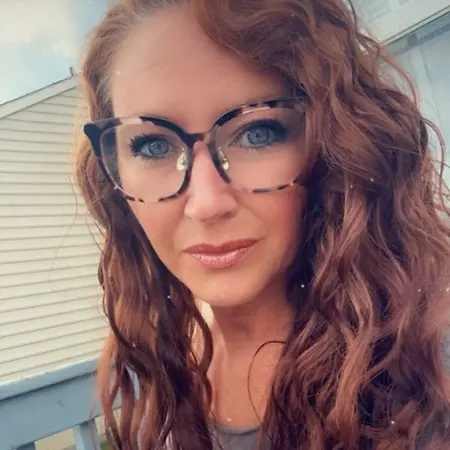
Her Story
About Lindsay
I've been working in the substance use field for 3 years, though I've been at Altman Hospital since 2014. What brought me to this field is deeply personal - I'm from a small town with not a lot of resources, and while I've never had a substance use disorder myself, I've had friends growing up who had substance use disorders and they are no longer here. My brother died in a drunk driving accident. The lack of resources and the stigma associated with substance use hit my community pretty hard, and that's what really drove me to this field. I'm trying to break the stigma and advocate for those who cannot advocate for themselves. In my role as Altman Hospital's first-ever substance use navigator, I help acute patients in both the ER and inpatient settings. When I get consulted by a doctor, I go to the patient's room and introduce myself to make them feel more comfortable. I work to rebuild that bridge and help them get more trust in the health system, because a lot of times people aren't as honest because they're fearful of getting in trouble, being stigmatized, or being judged. I'm here to help build that bridge between physician and patient. I do a brief introduction about myself and what I do, then we go into their substance use - how long they were using, what type of substances, how they're administering the substance, and how often. We navigate what type of treatment would probably work best for them. I also facilitate SMART Recovery groups, giving people an alternative pathway to recovery instead of the traditional AA, which has brought some people the change they wanted. I work very closely with Juan Rodriguez, who has lived experience, and where I come from a clinical standpoint, he brings the lived experience perspective, which can sometimes differ from what you're being taught in textbooks. I've learned a lot from him.
Her Interview
Ten minutes with Lindsay
01What do you attribute your success to?
I work 3 jobs, so I think it's my work ethic and my passion for this field. My wanting to help people and my resilience are what drive me. I've had my own traumatic events that help me identify with the people I serve. That personal connection and understanding of what they've been through goes a long way in this work.
02What advice would you give to young women entering your industry?
Don't give up, because it's a thankless profession. You're gonna work really, really hard for somebody, and it's thankless. But do not give up. Because there are so many success stories that you're gonna see, and those success stories are thanks enough.
03What are the biggest challenges or opportunities in your field right now?
The biggest challenges I'm seeing right now are stigma, lack of resources, and stigma from some of the community. Not all, by any means, but the stigma that's associated with substance use is a major barrier. The lack of resources in communities, especially smaller ones like where I'm from, makes it really difficult to help people get the treatment and support they need.
04What values are most important to you in your work and personal life?
Hard work and integrity are fundamental to me. I am a by-the-book person, and I do not cut corners. Being friendly and understanding someone is crucial - it's not what is wrong with you, but what happened to you. Understanding that people come from a lot of trauma and tough backgrounds goes a long, long way. But treating them like they're no different from anyone else, recognizing that they just happen to have a disease that they're having trouble overcoming, really goes a long way in building trust and helping them heal.
Join Influential Women and start making an impact. Register now.