Her Story
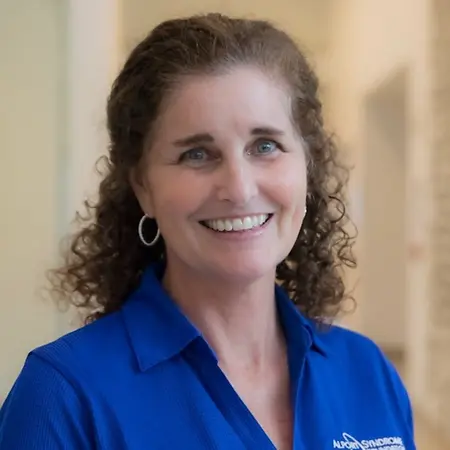
About Lisa
Lisa Bonebrake serves as Executive Director of the Alport Syndrome Foundation, a rare genetic kidney disease patient organization. She has held this position for seven years after volunteering at a high level with the organization for four or five years. Bonebrake has spent her entire career in nonprofit administration, including work in arts administration and arts education during and after college at Michigan State University, followed by time in the public schools. She serves on the Patient and Family Partnership Council of the American Society of Nephrology. Her expertise lies in patient advocacy, where she has built an engaged and educated patient community for Alport syndrome, increased engagement with more than 20 companies exploring the disease, and supported six active clinical trials. Bonebrake attributes her success to the passion and dedication stemming from her own family's experience with the rare disease, which drives her commitment to integrity, confidentiality, and advancing genetic research while navigating challenges in clinical trial participation.
Her Interview
Ten minutes with Lisa
01What do you attribute your success to?
The success really just comes from the passion and the dedication of knowing that we need to get it right because there's so much suffering, and I understand that from my own family's experience, my personal experience, which makes me care about the hundreds of thousands of other patients and families that are going through the same thing. Really wanting to save other families from having to go through what we went through.
02What advice would you give to young women entering your industry?
Reach out to even folks you don't know, be brave. The folks in the field, they're in the field for a reason. They want to help the next generation. So even if it's somebody you don't know, send an email, don't make phone call, and I believe most people in this field will reach back and want to help you. Sometimes you might have to take an internship where you can't get paid because this happens in nonprofit, but it's worth it to get that experience. And also be somebody is humble enough to say, it doesn't matter, big or small, I will get that work done.
03What are the biggest challenges or opportunities in your field right now?
The biggest opportunity really has been that genetic testing has changed completely rare kidney disease, because now you can at a much earlier age get diagnosed accurately through a blood test instead of going through a biopsy. The challenge then becomes genetic therapy means a lot of pioneering exploration, and it's difficult to be the one to raise your hand and say yes I will enroll in a clinical trial that could absolutely change my life and cure me or something could go wrong when we're talking about genetics.
04What values are most important to you in your work and personal life?
In the work that we do as patient advocates, it's about integrity. That value is so important. We don't accept lots of money for sponsored messaging from Pharma or biotech sources because we want to make sure the messaging that we provide to patients really comes from patients to patients. Confidentiality and the privacy for patients is really important. As a parent, my husband and I have been able to raise really good humans because we've always told them you need to wake up and be able to look in the mirror and know that in the work and the life that you're living, that you are being true, that you are a truthful person, and have integrity.
Join Influential Women and start making an impact. Register now.