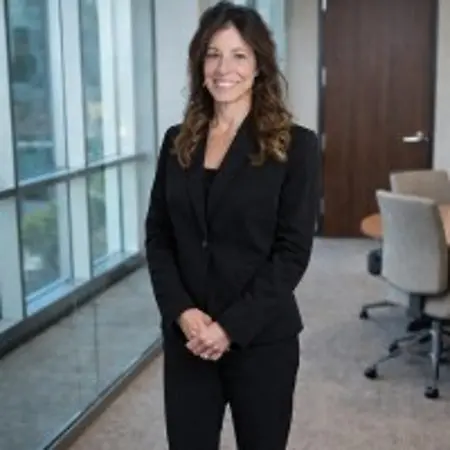
Influential Woman · Mobile & Portable Dental Hygiene Care
Lori Faulconer
RDHAP
Registered Dental Hygienist in Alternative Practice, Self-Employed Lori Faulconer RDHAP A Professional Corporation
Bakersfield, CA 93312
Her Story
About Lori
I didn’t just choose a career in dental hygiene—I wanted to build around purpose, with resilience, and a deep commitment to my family and community. While my commitment was to my family and working multiple jobs to provide for and support those I love, I stayed focused on creating a career that offered both stability and impact. Through determination and sacrifice, I pursued a career in dental hygiene, with the last 5 years achieving my BSDH, M.Ed., and RDHAP licensure. I ultimately became a Registered Dental Hygienist in Alternate Practice. I wanted to have the ability to reach patients who are often overlooked by traditional systems. My work goes beyond the clinical setting. I am passionate about serving individuals who face barriers to care, including the elderly, medically complex patients, and underserved communities. I believe oral health is not a luxury—but a critical part of overall health. I am making it my mission to bring care directly to those who need it most. Through every challenge, I continue to grow, adapt, and lead with heart. Today, I not only provide care but also explore innovative ways to expand access, integrate prevention, and reimagine what healthcare can look like outside the traditional model. I am driven by real-life experience, empathy, and an unwavering work ethic. I continue to advocate for my patients, my profession, and a future where access to care is not limited by circumstance.
Her Interview
Ten minutes with Lori
01What do you attribute your success to?
I think it's just been an honor to be a part of the community and of women that have strong voices and have contributed to not only this profession, but just women in general, as far as being business owners. The older I've gotten, I've been almost a better student and a sponge, just wanting to see what makes everything tick. I think it's just being able to encompass everything that I have achieved and giving that back in some way. They're not just initials behind my name, I'm actually utilizing all of those initials in some way, and for that I'm grateful that I've been able to do it. I'm implementing my bachelor's using evidence-based research and really diving into that when I need to in private practice, and my master's in education helps in so many ways, not just with my students, but that whole platform - I just have a greater respect for educators going through that program. I just feel like it's all of it, the cycle of life. I feel very fortunate that I've been able to go back to a program where I graduated from 20 years ago and actually teach there - that's a full circle for me. I feel very blessed to have worked in an office for 20 years that is my second family and learn from hygienists that were seasoned and a dentist that's seasoned, and now just trying to transition into opening my own business and giving back to a community that I've lived in all my life. Just very grateful and meeting women that have all different kinds of businesses that are encouraging and empowering.
02What’s the best career advice you’ve ever received?
"You don’t have to leave what you’re good at to build what you’re called to” reflects my belief in integration over reinvention. I see my clinical skills, experience, and credibility not as limitations, but as leverage—building on them to expand my impact beyond traditional practice.
By aligning what I’ve mastered with a deeper purpose, I continue to grow my role in prevention, education, and access, creating meaningful change while staying grounded in the work I know best.
03What advice would you give to young women entering your industry?
I tell my students it's not just a profession, it's a calling to service and education and empowerment, and it's continuous. You get your licensure and you're not done - there's a reason that we have to take so many continuing education courses. It's all the other things that you learn when you're working with your patients or in your office. I think I've learned so much more working with my patients and getting to know them. You have to think outside the box when you work with people - anytime you work with people, you're dealing with different personalities, and that has helped me grow. I think back about 20 years ago when I first started, I was very timid and shy and I kind of avoided challenges, and I think now I look for those challenges, I embrace them because it helps me grow. You just have to lead with both strength and compassion. It eventually transforms you into an individual and not just a group - you want to stand out, and that's what makes our profession stand out. When you do, people follow that, people that are like-minded want to do the same. I remind students it's not easy, it's taken me a long time because I've had to educate myself along the way, not just with educational programs like getting a bachelor's or master's, but you also have to want to learn. You also have to insert yourself in situations that may not feel comfortable, but I think that's when you learn the most. You just have to kind of take a leap of faith on yourself and trust yourself and jump in. You're gonna make mistakes, but as I always say, it's not about perfection, it's about progress. Perfection doesn't give you a chance to fail, and failing is when you learn, so it's okay, we all fail. I think that's the greatest thing - when you learn from failure, it makes you better. At my age, I still fail, but I don't look at it the same as I did in my 20s. You get upset and you cry and you're hard on yourself. I think now when I fail, I'm like, okay, I gotta do this better - it becomes more of a challenge.
04What are the biggest challenges or opportunities in your field right now?
I think it's important to just highlight the profession in and of itself and get away from that stigma that dentistry is scary and bad, because there's a lot of great people in dentistry that provide great care - it just has a bad stigma, and I understand why. Most people don't know what an RDHAP is, even when I meet people in their homes, they're like, I've just never heard of this. It's unfortunate because there's about a thousand of us in California, and as we get together as a collective group as RDHAPs, that's the one thing that we kind of all agree on - we just don't have that visibility, a lot of people don't know about us. I think it's a great service that a lot of other RDHAPs have been doing for the last 10 years, I'm just getting started, but they even say it takes a while because you have to educate people. They just don't know, and so when they don't know, they don't know where to look or that it's even out there. People's lives - they're living longer, and so that care is needed but not always attainable, so I'm hoping that I can bring that to more people within my community with the services that I can provide mobily.
05What values are most important to you in your work and personal life?
I’m driven by purpose and impact, focused on expanding access to care and improving outcomes. I value genuine connection, creating meaningful relationships that keep care personal.
I’m committed to continuous growth, aligning my work with what I’m called to do while leading with integrity. I prioritize autonomy and balance, building a sustainable career rooted in service and education.
Join Influential Women and start making an impact. Register now.