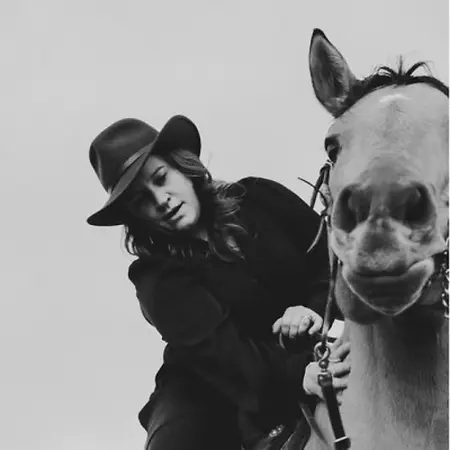
Her Story
About Lucyann
My career in consulting began in 2017, rooted in a deep passion for the land that started when I was a competitive snowboarder. During undergrad at Stanford, I studied sustainable land management, graduating in 2012. After working at a smoothie startup on the consumer side, I realized I wanted to return to my passion for the land, so I went back to grad school at Yale where I earned both my MBA and Master's of Forestry from the School of Management and School of Forestry. From there, I got an opportunity with Accenture in their natural resources business, which included mining metals, forest products, building materials, and energy sectors close to oil and gas midstream. I wanted to understand how the largest companies in the world interacted with the land and how they influenced land use. Now as a partner, every day looks a little different, but for the last year I've been serving natural resource clients, specifically in energy, helping them make their businesses better. That can look like a major transformation, a digital tool to help improve decision making, or working in workshops to help teams figure out how to leverage decision rights. Recently I've been working with some main clients to help them realize new value and exist in a volatile world for the resource industry.
Her Interview
Ten minutes with Lucyann
01What do you attribute your success to?
I attribute a lot of my ways of thinking and ways that I treat others to my women mentors that I had at Accenture. I was so fortunate to be able to enter Accenture under an amazing lineage of women. Thanks to them, I've been able to navigate uncertainty and difficult times with the way that they treated others. Throughout my career, I've been guided by two core values: accountability and adaptability. What I use as my North Star is the ability to create impact.
02What advice would you give to young women entering your industry?
I think where I thought my career was going to lead in the last couple years was climate and sustainability, and that's a much smaller part of my career now, but I think the one thing to keep constant is even if I'm not working on the topic I thought that I would be, it's to be the leader that I needed. I think you have to find your people, at least one or two. It doesn't have to be a lot, but if you can find one or two who have your back no matter what, you can get through anything.
03What are the biggest challenges or opportunities in your field right now?
Right now, with the war in Iran, I would say it's pretty unpredictable. There's just a bit of an unknown future with how we interact globally on oil and commodities, and then the role that replacement resources or sustainability will play, including electricity. I think that traditionally, for example, one industry like refining, they're facing a future where it's adapt or die, so they have to figure out how can they keep their main business sustainable and then also adapt to new businesses, like biofuels. If you would have asked two years ago, there was a lot of tailwinds behind creating space for biofuels. In the last year or two, it's been tough for any refiner trying to adapt to biofuels, so it's figuring out the right amount of the portfolio to dedicate to the new business and making sure to keep the eye on that ball and not just drop it to the wayside when it's not doing well.
04What values are most important to you in your work and personal life?
There are two values that have guided me throughout my career: accountability and adaptability. What I use as my North Star is the ability to create impact. These values help me navigate my work with natural resource clients and guide how I approach challenges in the volatile resource industry.
Join Influential Women and start making an impact. Register now.