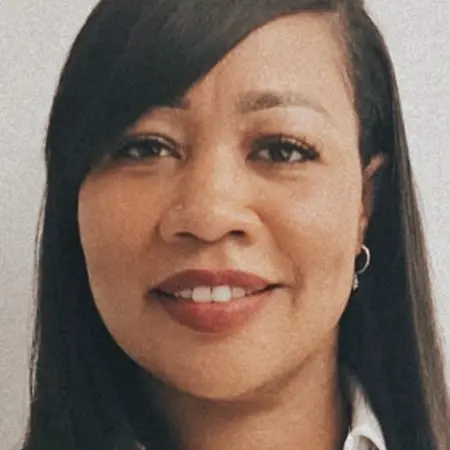
Her Story
About Magan
Magan Torres believes that true healing begins when clients feel genuinely seen and understood. As a Licensed Marriage and Family Therapist at St. John's Community Health, she brings this philosophy to life every day, providing evidence-based therapy for clients navigating anxiety, depression, grief, attachment issues, life stressors, adjustment challenges, and co-occurring disorders.
Torres's journey into the mental health field began as a substance use counselor—an experience that fundamentally shaped her therapeutic vision. Her dedication and skill in this early work earned her recognition as Counselor of the Year, affirming what her clients already knew: she has a rare gift for creating transformative therapeutic relationships.
Now a licensed therapist pursuing her PhD in Psychology at Grand Canyon University, Torres continues to deepen her expertise while staying grounded in what matters most—the human connection. She draws from her own lived experience to meet clients with genuine compassion, building affirming therapeutic environments where individuals, families, and children from diverse communities can explore, heal, and grow. For Torres, therapy isn't just about addressing symptoms—it's about honoring each person's unique story and walking alongside them as they write their next chapter.
Her Interview
Ten minutes with Magan
01What do you attribute your success to?
I attribute my success to hard work, perseverance, and the ability to connect with those who share similar life experiences genuinely. Beginning my career in substance use counseling, I discovered my passion for this work and eventually earned my license as a Marriage and Family Therapist. Today, I find profound reward in supporting children and individuals as they navigate anxiety, depression, grief, attachment issues, life stressors, adjustment challenges, and co-occurring disorders. The path hasn't always been easy. There were moments when I questioned whether to continue, but my commitment to the work and the people I serve has led to meaningful recognition, including being named Counselor of the Year in 2020, and fueled my current pursuit of a PhD in Psychology, reinforcing my belief that perseverance and authentic connection are the foundation of both personal growth and effective therapeutic practice.
02What’s the best career advice you’ve ever received?
The most valuable career advice I've received is to trust in my competence rather than question it. Early in my career, I learned that self-doubt can be a significant barrier to professional growth and effective client care. By grounding myself in my skills, training, and ongoing education, I've developed the confidence necessary to navigate complex clinical situations, make sound therapeutic decisions, and provide the highest quality care for my clients. This mindset shift—from questioning my abilities to trusting my expertise—has been transformative, allowing me to show up fully present and capable in the therapeutic relationship while remaining open to continued learning and professional development.
03What advice would you give to young women entering your industry?
My advice to young women entering this field is straightforward: cultivate resilience and don't give up when faced with challenges. Building a meaningful and successful career in mental health requires persistence, patience, and an unwavering commitment to helping others. The path will test you—professionally, emotionally, and personally—but those challenges will also shape you into a more effective and compassionate clinician. Trust in your abilities, invest in continuous learning, and remember that the work we do has a profound impact. Your dedication to this profession and the clients you serve will be the foundation of both your growth and your success.
04What values are most important to you in your work and personal life?
The values that guide both my professional and personal life are creativity, nurturing meaningful relationships, and maintaining balance. I prioritize quality time with my children, find inspiration in music and nature, and take intentional care in creating welcoming, comforting environments—whether in the therapeutic space or at home. These values inform my approach to therapy, reminding me that healing happens not only through clinical intervention but also through the warmth, creativity, and authentic connection we bring to every interaction.
Join Influential Women and start making an impact. Register now.