Her Story
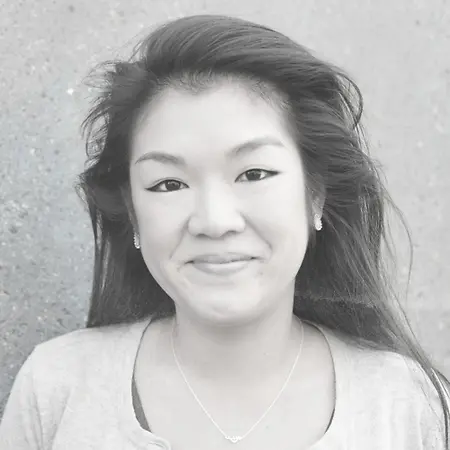
About Malissa
Malissa Tong is a pianist, educator, and arts administrator based in Brooklyn, New York, with nearly two decades of experience in piano performance and teaching. She earned her Doctor of Arts in Collaborative Piano and Music Education from Ball State University, where she studied under Dr. Ray Kilburn. She also holds a Master of Music in Piano Performance and Pedagogy from Ohio University and a Bachelor of Music from SUNY Potsdam Crane School of Music.
Her professional work spans private instruction, institutional teaching, and international arts administration. She serves as faculty at Third Street Music School Settlement, where she teaches group piano to young children, and also maintains private studios and teaching roles across New Jersey and New York. In addition, she is the Executive Director of the Carmel Klavier International Piano Competition, where she oversees large-scale operations and supports emerging young pianists. She has also held teaching and administrative roles in university settings, music schools, and competitive festival organizations, while presenting and adjudicating at national conferences and events.
Her teaching philosophy emphasizes technical development balanced with creativity, enjoyment, and long-term musical engagement. She works with students ranging from early childhood to adult learners, designing instruction that supports both foundational skills and personal expression. Inspired in part by early experiences playing piano for her blind grandmother, she maintains a strong commitment to making music accessible and meaningful for all students. Outside of music, she enjoys hiking, swimming, fishing, sports, and international travel, often exploring Europe with family.
Her Interview
Ten minutes with Malissa
01What do you attribute your success to?
I attribute my success to my family and my upbringing, to always work hard, do my best, and never give up. That's really been a main factor in everything I've accomplished. Growing up, I lived at home with my grandma, and she was blind. We had a piano because she loved the piano and was never able to play it, so I always played for her. Because she couldn't see anything, hearing the music really helped her, and that motivated me so much. Playing for her growing up really fueled my passion for music, and I try to keep that fuel and that connection alive in everything I do.
02What’s the best career advice you’ve ever received?
My dad has always said to always try your best, and no matter what the outcome is, knowing that you've tried your best is all you can do, is the best that you can do. Not everyone's going to like you, or want to hire you, and you're going to get rejected sometimes. That's not to say that you're not a great person, and it shouldn't undermine who you are or demotivate you. Rejections happen, and that's okay.
03What advice would you give to young women entering your industry?
I think it is really important to make good connections. Say yes, but also learn to just say no. Always make sure to remember that if you put a high value on yourself, then other people will see that. So just don't give up. It's pretty competitive out there in the music industry, but everyone likes music, I would hope. Making those connections and maintaining that high self-value is crucial.
04What are the biggest challenges or opportunities in your field right now?
I think some challenges in the field of music are that there's a lot of older generation teachers, and not to say that they don't have experience or that I don't learn from them all the time, because I do. But I think in the academia and music world, when teachers have tenure, they're going to stay there until their last breath, and that just doesn't give the younger generation an opportunity to teach in academia. A lot of the older generation teachers have the mindset that what they do is the best, and there are no other ways or methods, when we all know there are a thousand ways to do one thing. Whether they're wrong or whether it's efficient or not, there are multiple ways to do one thing, so I think that's the main challenge.
05What values are most important to you in your work and personal life?
In my work life, the most important value is making sure that my students have fun in making music. Learning an instrument is not easy, it is difficult, but I want to make sure that they enjoy every process of it and the journey in making music. I've heard so many horror stories from adults saying their teacher was so bad that they quit, and I never want that to happen. In my personal life, I value work-life balance. I love my free time, and I think it's a great time for me to be creative and do other things besides music. That way I can replenish my energy, and I can give it all when I start teaching again.
Join Influential Women and start making an impact. Register now.