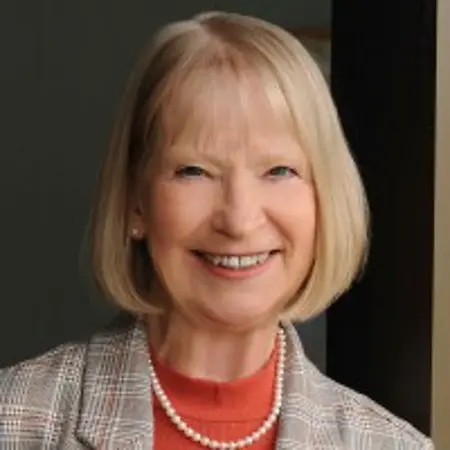
Her Story
About Maret
I've always been in academic research, and like a lot of women, I didn't think that I could be a leader in the field, but I always persisted. After getting my PhD in nutrition from UC Berkeley in 1976, I spent 17 years at NYU Medical Center being the right hand to a physician, where I learned a lot about vitamin E and how to do studies in humans and clinical trials. Then I struck out on my own and got an Associate Professor position at the Linus Pauling Institute at Oregon State University, where I basically had my own lab, got NIH and USDA grant funding, was well supported also by industry contacts, and was able to make real inroads into our understanding of how vitamin E works. Now retired as Professor Emeritus since September 2021, I'm largely doing whatever seems fun to me - currently writing a manuscript on the pharmacology of vitamin E, interacting with colleagues around the world on nutrition-related research projects primarily focusing on antioxidant research, and serving as president-elect of the Society for Free Radical Research International.
Her Interview
Ten minutes with Maret
01What advice would you give to young women entering your industry?
I think my best advice would be to choose your collaborators carefully. Work with people that you trust, that it's a win-win for both. One of the things about collaborators is it's really important to find someone in an adjacent field. One of my successes has been that early on, vitamin E looked like it was really important for heart disease and preventing heart disease. I had become an expert in lipoprotein metabolism, LDL, HDL, and there were real experts in lipoprotein metabolism who were in New York City, internationally known experts, and they were willing to help with reagents for our studies and how to isolate lipoproteins and all this kind of stuff because I was working on vitamin E. I was not a competitor to them, but they could collaborate and provide help without jeopardizing their successes. That's an example of win-win, where we're working on different things, but we add to each other's expertise.
02What are the biggest challenges or opportunities in your field right now?
In about 2005, a paper was published by a relatively unknown investigator who claimed that vitamin E supplements increase the risk of death, and that sort of killed the vitamin E industry. People, especially cardiologists, were very happy to say vitamin E is dangerous, don't take it, it has all of these bad side effects. The only problem with all of that is, it really wasn't true. There's no data to support it. At the time it was shocking - how can you say that this is true when there's no evidence? Most likely what's happening is there's an interaction with vitamins E and K. There was a trial called a SELECT trial that was scandalous because vitamin E apparently was increasing prostate cancer in men, but it turns out that trial was done in the South and their men are not very good at eating green leafy vegetables, and the multivitamin they gave the men did not have vitamin K in it. The bad news is out there, and there are people who are completely convinced that it's very dangerous. I think there's a lot of focus on ultra-processed foods now, but people don't know what should they eat, what are things that are really important nutrients that are in foods that they should be consuming daily.
Join Influential Women and start making an impact. Register now.