Influential Woman · Behavioral Health & Mental Health Care
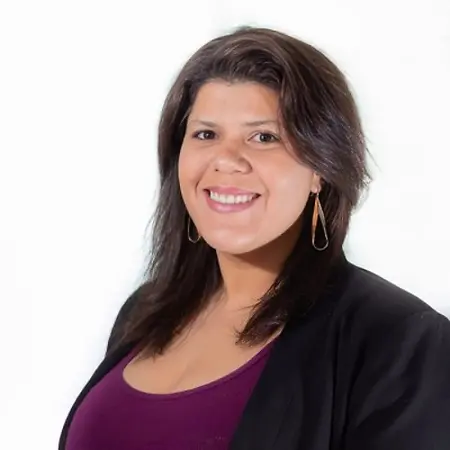
Mariana Nogueira, LCSW
Founder & Licensed Clinical Social Worker, Cultural Connection Therapy Center, Inc.
Davis, CA 95616
Her Story
About Mariana
Mariana Nogueira, LCSW, is a behavioral health professional, healthcare leader, entrepreneur, and Founder of Cultural Connection Therapy Center in Davis, California. She has more than a decade of experience in behavioral health and healthcare, with a career spanning clinical assessment, crisis intervention, behavioral health triage, psychiatric case management, trauma treatment, hospice and palliative care, grief and bereavement services, and private practice. Through Cultural Connection Therapy Center, she provides culturally responsive, trauma-informed behavioral health services to diverse communities, with a particular focus on addressing cultural, linguistic, and systemic barriers to care. Her clinical expertise includes PTSD, trauma, anxiety, depression, and life transitions, using evidence-based approaches such as Cognitive Processing Therapy, Prolonged Exposure Therapy, and Cognitive Behavioral Therapy.
Mariana's professional background combines direct clinical care with healthcare operations, leadership, education, and community advocacy. At Kaiser Permanente, she provides behavioral health triage, risk assessment, crisis intervention, and specialized PTSD treatment while collaborating across multidisciplinary healthcare systems. Earlier in her career, she managed complex psychiatric cases, provided palliative and bereavement services, and led a Spanish-speaking bereavement program serving Spanish-speaking and Latinx communities. She earned a Bachelor’s Degree in Psychology from the University of California, Davis, a Master’s Degree in Social Work from California State University, Sacramento, and is currently pursuing an MBA in Healthcare Management at Eastern University. She also serves as a DEI and cultural competency trainer and founded the Kaiser Permanente Latinx Association for Napa-Solano.
Mariana's leadership and clinical philosophy are deeply influenced by her experiences as a Brazilian immigrant who has lived in five countries and by the support of her family, partner, children, mentors, and professional community. She believes in justice, compassion, hard work, resilience, and culturally responsive care, and she advocates for recognizing the systemic and socioeconomic factors that influence mental health. She encourages young women to remain resilient, trust their unique strengths, and continue moving forward even when faced with setbacks or criticism. Fluent in English, Spanish, and Portuguese, Mariana brings a multilingual and multicultural perspective to her work and is committed to expanding access to meaningful behavioral health services while building healthcare organizations that are more inclusive, effective, and responsive to the communities they serve.
Her Interview
Ten minutes with Mariana
01What do you attribute your success to?
I attribute my success to the support of my family, my partner, my children, and the mentors and people who have believed in me throughout my journey. My sister and parents have been especially important sources of support, and I have been fortunate to have people in my life who encouraged me to keep moving forward and recognized the value of what I bring to the table.
02What’s the best career advice you’ve ever received?
One of the most meaningful pieces of career advice I have received is to recognize that what makes me different is also what makes me valuable. A mentor reminded me that my experiences, languages, cultural background, and having lived in five different countries are unique strengths. I have learned not to allow people who doubt my abilities to make me question what I am capable of bringing to my work and to the people I serve.
03What advice would you give to young women entering your industry?
My advice to young women is to never give up and to keep standing back up when life or your career knocks you down. As a woman of color and an immigrant with an accent, I have experienced moments when I felt beaten down, but I chose to keep going. I believe failure is not the end; it is an opportunity to learn, grow, and begin again. Keep believing in yourself, even when other people do not.
04What are the biggest challenges or opportunities in your field right now?
One of the biggest challenges in behavioral health is the lack of resources and the way broader socioeconomic and systemic issues are sometimes labeled as individual mental health problems. There are circumstances affecting people's mental health that cannot be understood solely as individual clinical issues.
This is particularly important when working with immigrant communities. Fear, instability, and systemic circumstances can significantly affect a person's behavior and well-being, and those realities need to be recognized rather than treated as though they exist in isolation from the larger social environment.
05What values are most important to you in your work and personal life?
Justice is one of the most important values to me. I want things to be fair, and I am deeply passionate about helping people who may face barriers because of their identity, culture, immigration status, or circumstances. I also value love, hard work, and resilience. These values shape how I approach my relationships, my clinical work, my leadership, and my commitment to helping others.
Join Influential Women and start making an impact. Register now.