One setback doesn't define your future. Confidence is getting back up, building skills, and showing up. Resilience comes through action, not perfection.
Rebuilding After Public Failure
Explore moreThe people I serve kept me going. The hardest seasons taught me resilience and reminded me that purpose is often born through perseverance.
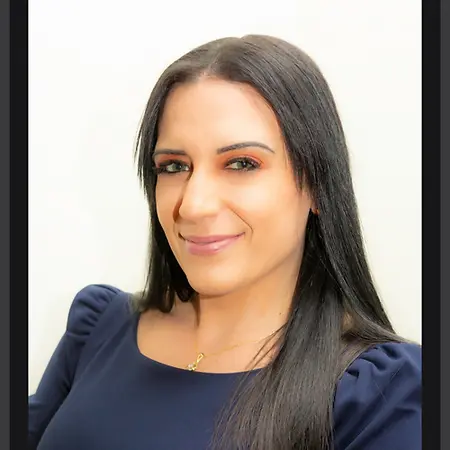
Marianna Chrysiliou, WDS, CAGS, MBPsS, MAEd, BA, CASAC 2 · In Her Own Words
One setback doesn't define your future. Confidence is getting back up, building skills, and showing up. Resilience comes through action, not perfection.
Rebuilding After Public Failure
Explore moreHer Story
Marianna Chrysiliou is an accomplished behavioral health professional, educator, and program leader serving as Assistant Director of Behavioral Health Services at the Center for Community Alternatives, an OASAS-licensed and CARF-accredited comprehensive outpatient treatment program serving all five boroughs of New York City. With a multidisciplinary background spanning school psychology, counseling, education, and substance use treatment, she oversees integrated behavioral health programming focused on person-centered care, harm reduction, trauma recovery, and workforce development. In her leadership role, she supervises clinical, medical, peer support, outreach, and administrative teams while maintaining an active caseload and facilitating evidence-based wellness, relapse prevention, and cognitive behavioral intervention groups.
Before transitioning into behavioral health services in New York, Marianna built a strong foundation in education and psychoeducational support through work in K–12 and higher education settings. A graduate of Murray State University, she earned degrees in Psychology, Advertising, Guidance and Counseling, and School Psychology, later expanding her expertise with advanced credentialing in substance use counseling and offender workforce development. Her professional journey began with TRIO and Upward Bound initiatives supporting low-income and first-generation students, experiences that shaped her lifelong commitment to equity, accessibility, and empowering underserved populations. She has also contributed to educational consulting, curriculum development, and psychoeducational resource initiatives through her work with Educational Psychology Corner and Excel Student Solutions.
Throughout her career, Marianna has championed community-centered behavioral healthcare that integrates compassion, cultural awareness, and evidence-based practice. She has played a key role in expanding outreach, trauma recovery, reentry support, and medication-assisted treatment services for justice-involved and vulnerable populations across New York City. Her leadership has contributed to innovative participant engagement initiatives, including wellness programming, multicultural community events, workforce readiness supports, and peer-driven recovery services. Recognized for her professional excellence and service, she has been honored as a Murray State University Alumni Association Top 22 Under 40 recipient, named to Marquis Who’s Who in America, and recognized by America’s Best in Medicine for her contributions to behavioral health and substance use treatment.
Her Interview
01What do you attribute your success to?
I attribute my success to the supportive mentors, colleagues, friends, and family members who encouraged me throughout my journey and modeled values of compassion, resilience, and integrity. Their guidance helped shape both my personal and professional philosophy. I believe deeply in treating people with kindness, respect, and empathy, especially individuals who may not have consistently experienced those qualities in healthcare or social service systems.
I also believe success requires continual growth and lifelong learning. In behavioral health and education, it is essential to remain current with research, evidence-based practices, and evolving community needs. Beyond professional knowledge, I strive to remain approachable and human-centered in my work. Taking the time to truly listen, even during demanding moments, can significantly impact someone’s recovery, confidence, or sense of belonging.
02What’s the best career advice you’ve ever received?
One of the most meaningful pieces of advice I received came from Dr. Marty Dunham during my time in the school psychology program at Murray State University. He explained that this profession would require sacrifice, commitment, and continuous investment beyond a traditional workday. That honesty helped me understand that helping professions are not simply careers, but lifelong commitments to learning, growth, and service.
I was encouraged to remain intellectually curious, continue reading research independently, pursue ongoing professional development, and stay informed about developments within the field. That advice has remained central to my professional approach. Whether working in school psychology, behavioral health, or substance use treatment, I believe effective professionals must continue learning, adapting, and growing in order to best serve others.
03What advice would you give to young women entering your industry?
I would encourage young women entering this field to believe in their abilities, trust their values, and remain connected to their purpose. Understanding your “why” is essential because helping professions can be demanding emotionally, mentally, and professionally. Confidence, resilience, and positive self-talk are incredibly important when navigating challenges or self-doubt.
I also encourage future professionals to work hard while maintaining healthy boundaries and prioritizing self-care. Self-care does not always need to be elaborate; it can involve incorporating restorative habits and moments of reflection into everyday life. When supporting others continuously, it is important to also replenish yourself emotionally and mentally. Maintaining balance, seeking mentorship, and remaining open to growth are all essential to sustaining a meaningful and impactful career.
04What are the biggest challenges or opportunities in your field right now?
One of the greatest challenges in behavioral health and substance use treatment is the ongoing opioid crisis, particularly the increasing prevalence of fentanyl and other dangerous adulterants contributing to overdose risks and complex treatment needs. The long-term emotional and social impact of the pandemic also intensified mental health concerns and substance use across many communities.
At the same time, there are significant opportunities to expand integrated and trauma-informed care. There is growing recognition of the importance of accessible mental health services, trauma recovery support, harm reduction strategies, and reentry programming for justice-involved individuals. Expanding partnerships with housing agencies, workforce programs, educational systems, and community organizations creates opportunities to provide more comprehensive and person-centered care that addresses the broader needs of individuals and families.
05What values are most important to you in your work and personal life?
Family, community, kindness, respect, and cultural appreciation are among the most important values in both my personal and professional life. As a Greek Cypriot American, multicultural identity and community connection have always played a major role in shaping my worldview. I value creating spaces where diversity is celebrated, where people feel seen and included, and where cultural awareness is approached through curiosity, learning, and shared experiences.
I also value introspection, compassion, and mutual support. I believe people thrive through connection and community rather than isolation. Respecting others’ experiences, allowing room for growth and mistakes, and supporting individuals through difficult moments are values that guide both my leadership style and my everyday interactions.
Join Influential Women and start making an impact. Register now.